Three Dots and a Dash
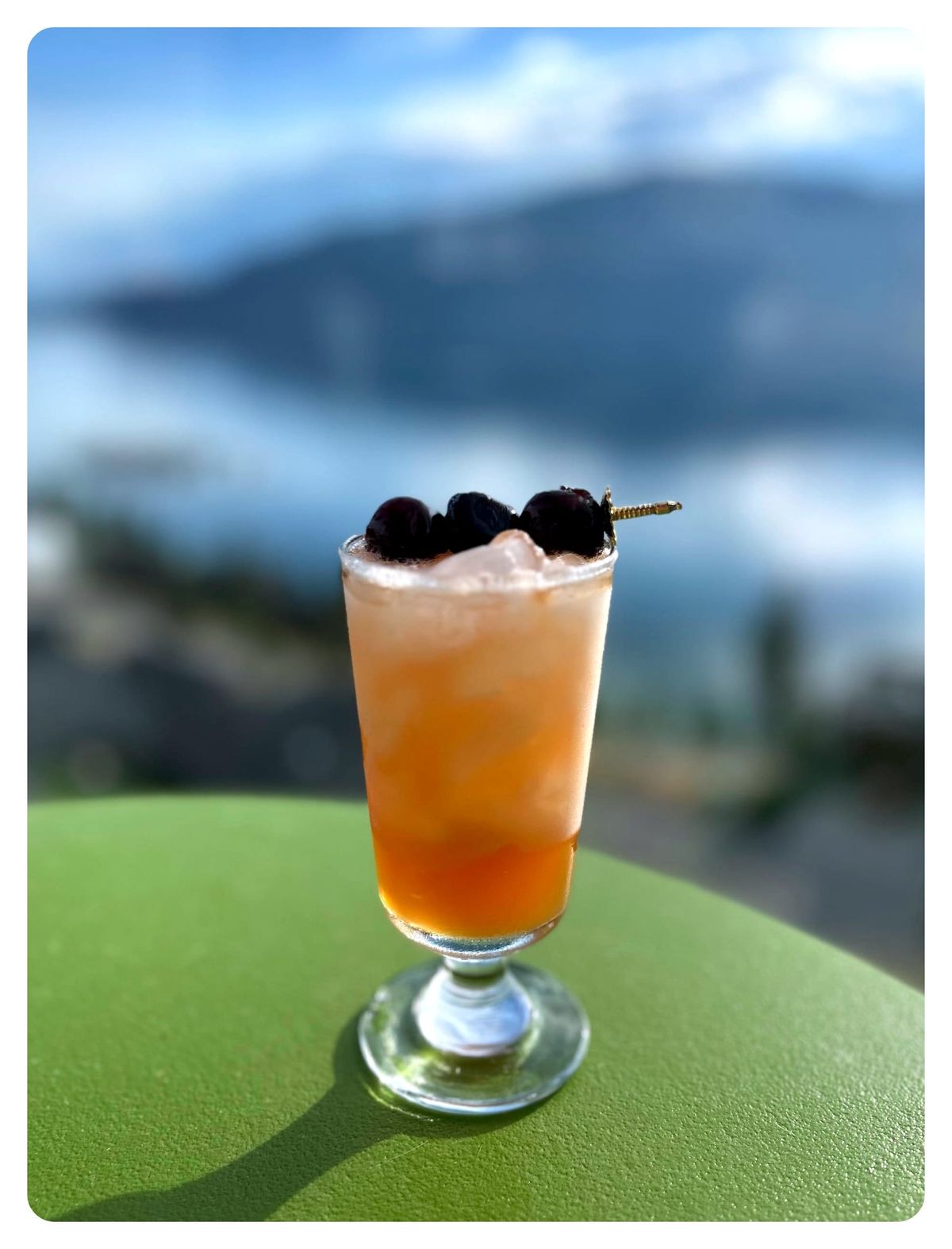
- 1 1⁄2 oz Martinique Rhum Agricole
- 1⁄2 oz Demerara Rum
- 1⁄4 oz Velvet Falernum liqueur
- 1⁄4 oz Allspice liqueur
- 1⁄2 oz Lime juice (freshly squeezed)
- 1⁄2 oz Orange juice (freshly squeezed)
- 1⁄2 oz Honey syrup (3 parts honey to 1 water by weight)
- 1 dash Angostura Aromatic Bitters
- Shake with ice for 20-30 seconds
- Dirty‑pour over crushed ice into a chilled Collins glass.
- Garnish with 3 skewered cherries and a long thin slice of pineapple to illustrate the name.
Happy Friday, friends!
This week marks my first small victory in settling into Canada via our new home in British Columbia. On top of that, 30+ degree temps have landed here in the Okanagan, making it feel like summer is very close at hand.
To celebrate both, it felt right to return to a well‑loved tropical genre–tiki–and introduce you to Three Dots and a Dash.
This cocktail brings together a few of my favorite things: rum (obviously), but also allspice liqueur, which has been maddeningly hard to find here in Canada. Thankfully, some visiting friends brought me a bottle of St. Elizabeth Allspice Dram, so I’m happy to finally share this one with you.
Three Dots and a Dash was created during World War II by tiki pioneer Donn Beach at his original Don the Beachcomber restaurant in Hollywood, California. The name comes from Morse code, where “. . . –” spells the letter V–a popular symbol for Victory among the Allies. Donn Beach created the drink to honor and celebrate the troops.
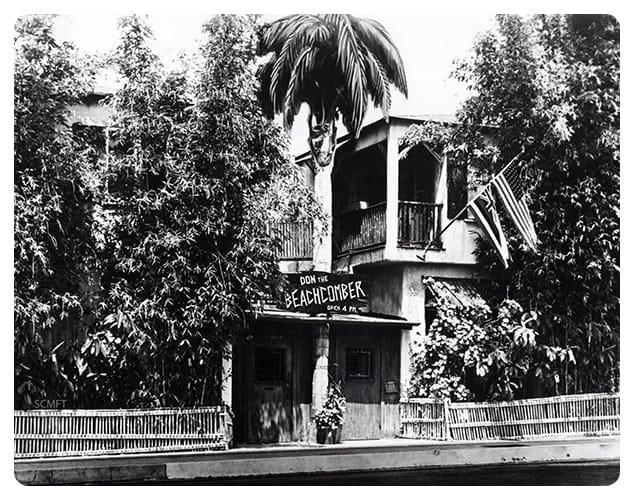
Like many of Donn’s creations, the original recipe was a tightly held trade secret and nearly lost. It was eventually unearthed by “tiki archaeologist” Jeff “Beachbum” Berry, who found the exact formula in a notebook belonging to a former Don the Beachcomber bartender and published it in his 2007 book Sippin’ Safari.
Unfortunately for me, British Columbia doesn’t see much in the way of Martinique rhum agricole on store shelves. So here I’m using Paranubes Oaxacan Rum, an aguardiente‑style rum with a very similar profile to rhum agricole. I’ve featured Paranubes before in the Initiand and the Cyrano; it brings intense notes of green olive, brine, pineapple, banana, and fresh‑cut grass. Earthy, funky, and complex all at once.
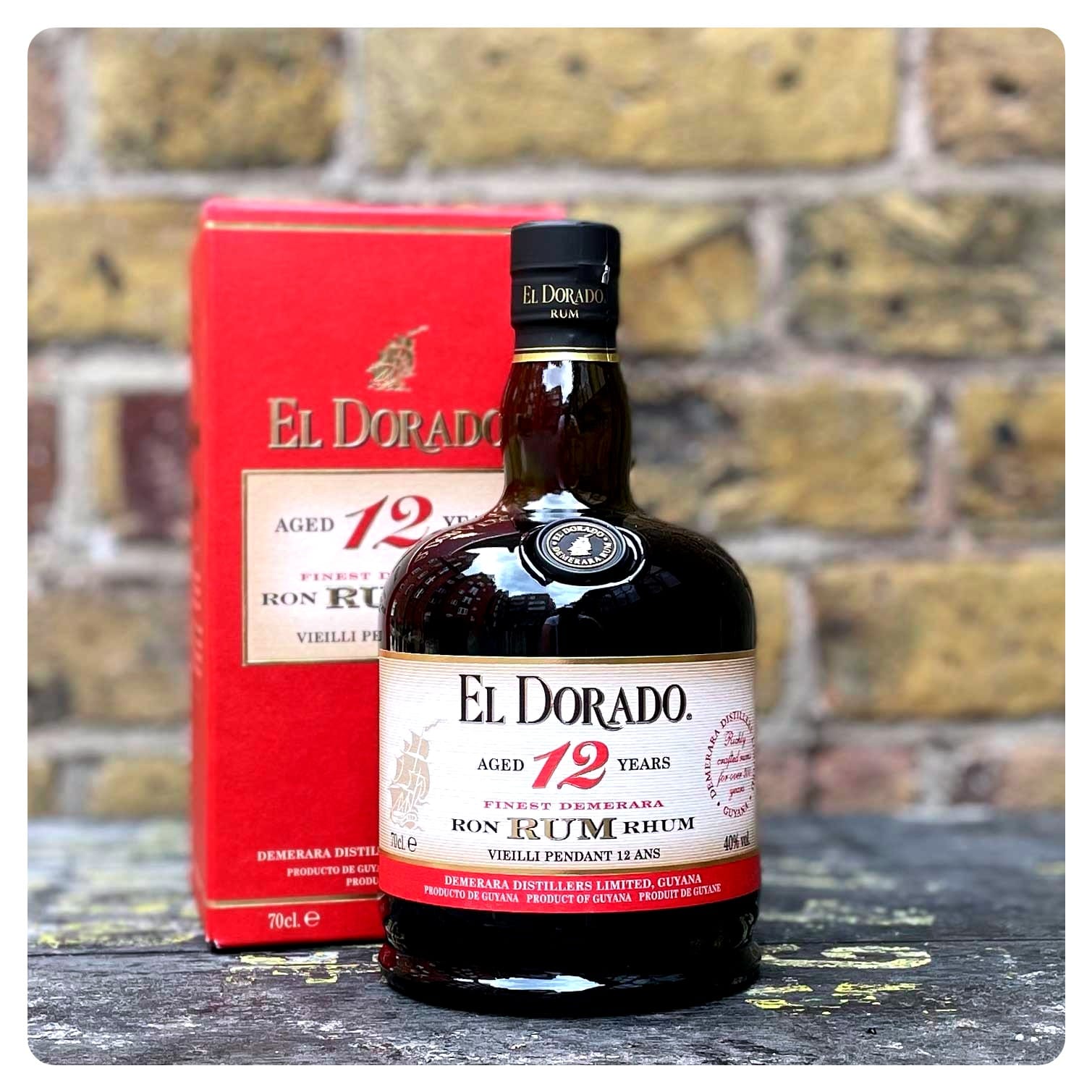
In classic tiki fashion, Three Dots and a Dash calls for a second rum–here, a Demerara‑style–to round out the agricole funk with molasses‑based dark sweetness, warm spice, and a woody finish. I’m using El Dorado 12 Year, which delivers notes of toffee, dark caramel, vanilla, baking spices, plus hints of tropical fruit, candied orange peel, and toasted oak.
John D. Taylor’s Velvet Falernum is a rum‑based liqueur from Barbados, crafted at the renowned Foursquare Distillery. It blends Barbados white rum with sugar cane syrup, lime, clove, and almond, and it’s a foundational ingredient in many classic tiki recipes. Unfortunately, it also hasn’t made its way into BC’s retail system (as far as I can tell), so I’m using a Falernum Cordial made by Social Syrup in Ontario as a stand‑in.
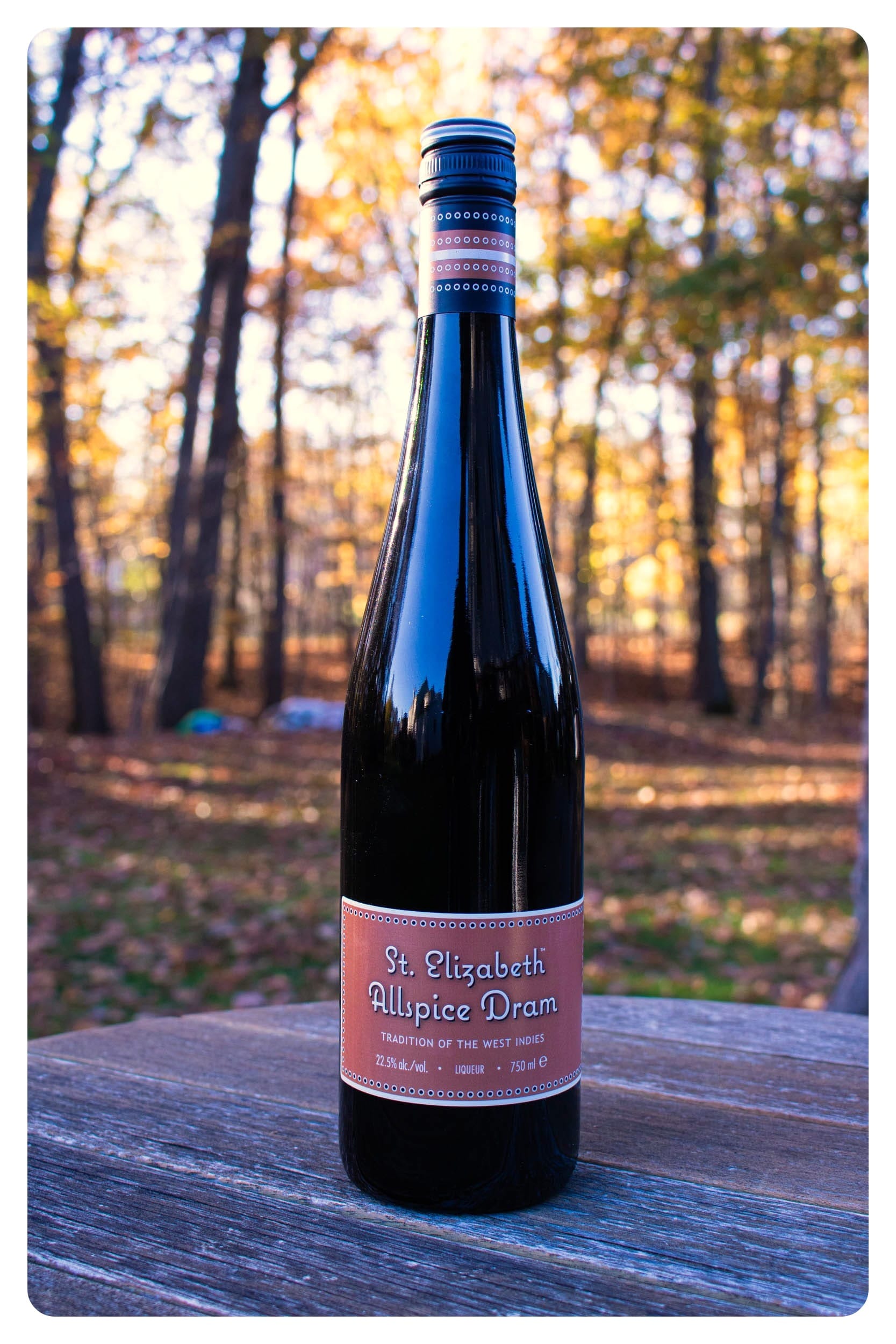
Saving my favorite for last, this cocktail also includes a pimento (allspice) dram. I’m using St. Elizabeth Allspice Dram, a classic Jamaican‑style allspice liqueur produced by Haus Alpenz. Built on a pot‑still Jamaican rum base infused with allspice berries, it offers rich, warming notes of clove, cinnamon, and nutmeg. It’s a staple in tiki and vintage cocktails and packs a bold, almost tongue‑numbing flavor–which is why it’s only ever used in small doses.
On the nose, the agricole funk hits first, followed by a halo of citrus. The first sip lands with bright lime and orange, quickly unrolling toward mid‑palate as the rums and baking spices come forward: agricole grassiness, Demerara depth, then the layered warmth of allspice and falernum. The spiced citrus loops back on the finish, with the funk lingering in the background until you’re ready for another sip.
As summer heats up, this spirited, juicy tiki cocktail is the perfect glass to have in hand while you look back and savor your small victories.
Speaking of victories: as I shared a couple weeks ago in Darkness on the Edge of Town, my Canadian Work Permit was approved. What I actually celebrated then was the notice of approval, which signaled that the physical document–and the door to working locally or remotely for companies on either side of the border–was finally on its way.
That work permit also unlocked something else: enough immigration status for me to qualify for British Columbia’s Medical Services Plan (MSP)--starting with the first step of trading my Oregon driver’s license for a BC license.
For this particular victory, the third time really was the charm.
When we arrived last summer, we were already working with a local immigration law firm on my Permanent Residency (PR) application–which was a project. Photos of my wife (the Canadian) and me across 23 years of marriage. Recommendation letters. Screenshots of text conversations. Essentially, as much evidence as possible that this wasn’t some hastily assembled sham marriage.
Fair enough.
Because PR applications take a long time, we also submitted a Work Permit application, which is typically processed on a faster track.
Both processes came with their own “we got your file” milestones. For PR, the first notice was an official Acknowledgement of Receipt, which arrived about two months after submission. I was told this would be followed by a request for biometrics, and that once those were requested, I could take the paperwork to ICBC (British Columbia’s version of the DMV) to start the process of getting a BC driver’s license.
ICBC disagreed.
They needed the final PR approval, not an interim letter, before they’d touch my license. Strike one.
When I later received the letter confirming my Work Permit had been approved, I was again advised that this should be sufficient for ICBC to begin the license exchange process.
Also no. ICBC needed the actual Work Permit document, not just the approval letter. Strike two.
Last week, the hard‑copy Work Permit finally arrived. This week, ICBC officially traded my old Oregon license for a British Columbia provisional license, and I walked out of there wanting to do a little victory dance in the parking lot.
Third time, definitively, the charm.
With that in hand, I submitted my application for MSP and am now waiting on the next letter. When it comes through, it will be a huge relief for our household budget to stop paying for traveler’s insurance while I live in a country with a socialized healthcare system I’m not yet fully part of.
More importantly, becoming part of MSP gradually disentangles health coverage from employment. It lets Canadians worry a bit less about whether the next AI‑driven layoff or corporate restructuring will also mean losing access to a doctor. You can focus on being productive and making your company successful today, tomorrow, and a few years down the line, without every job change turning into a healthcare cliff.
So to Immigration, Refugees and Citizenship Canada (IRCC) and ICBC, I raise this Three Dots and a Dash to you, for making the patience required on this road just a little more worth it when these small victories finally arrive.
Cheers! 🍁📃🩺