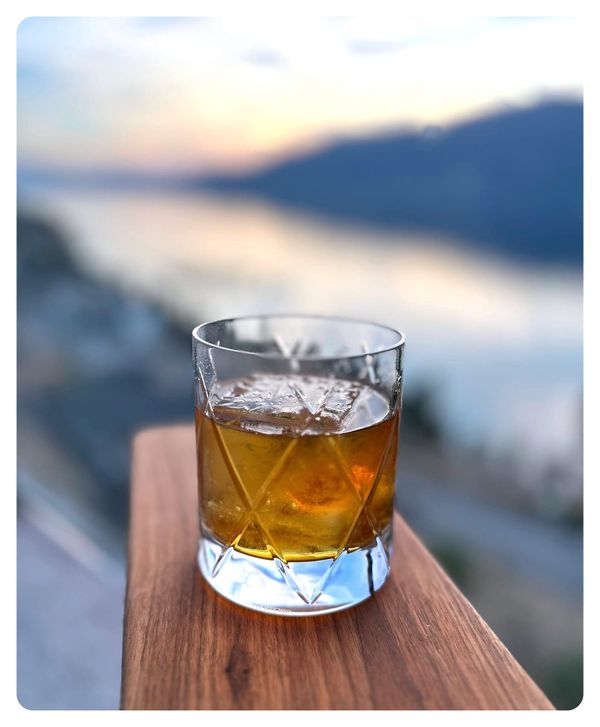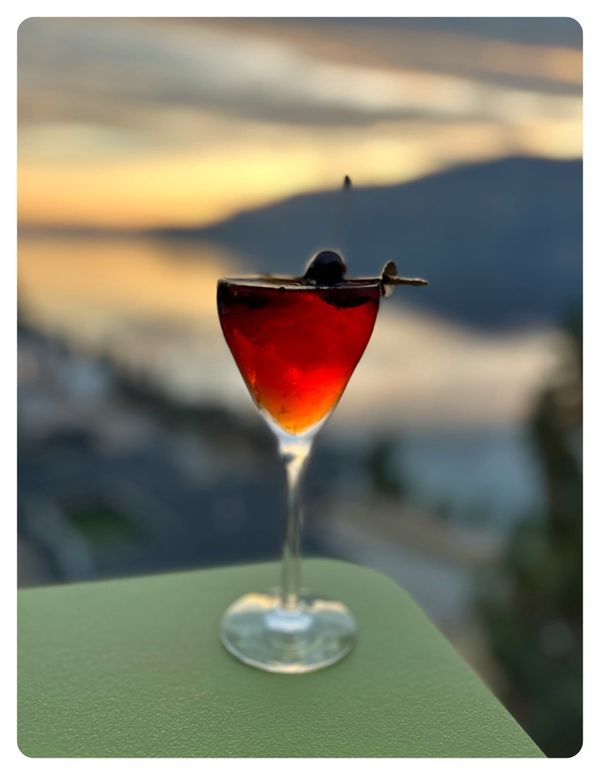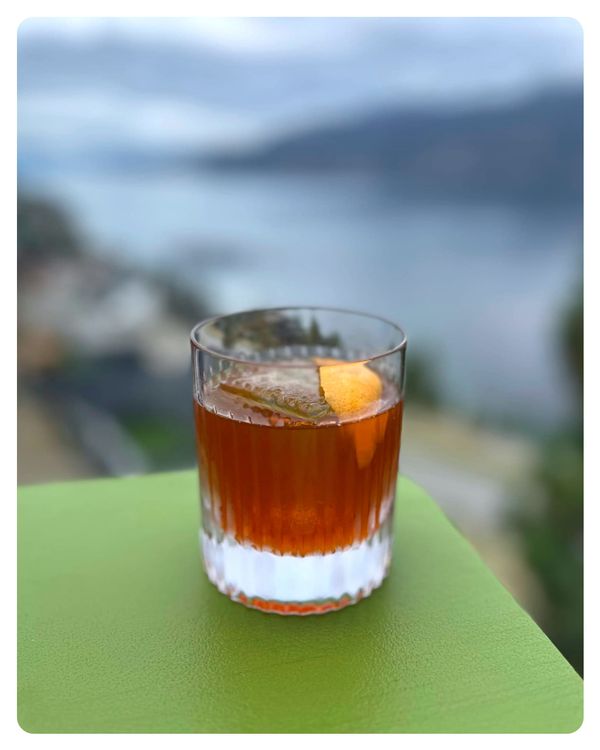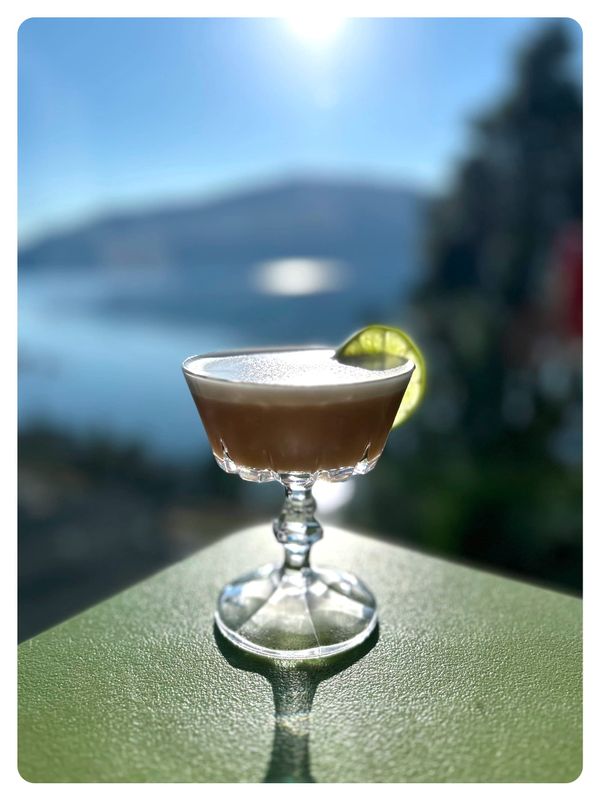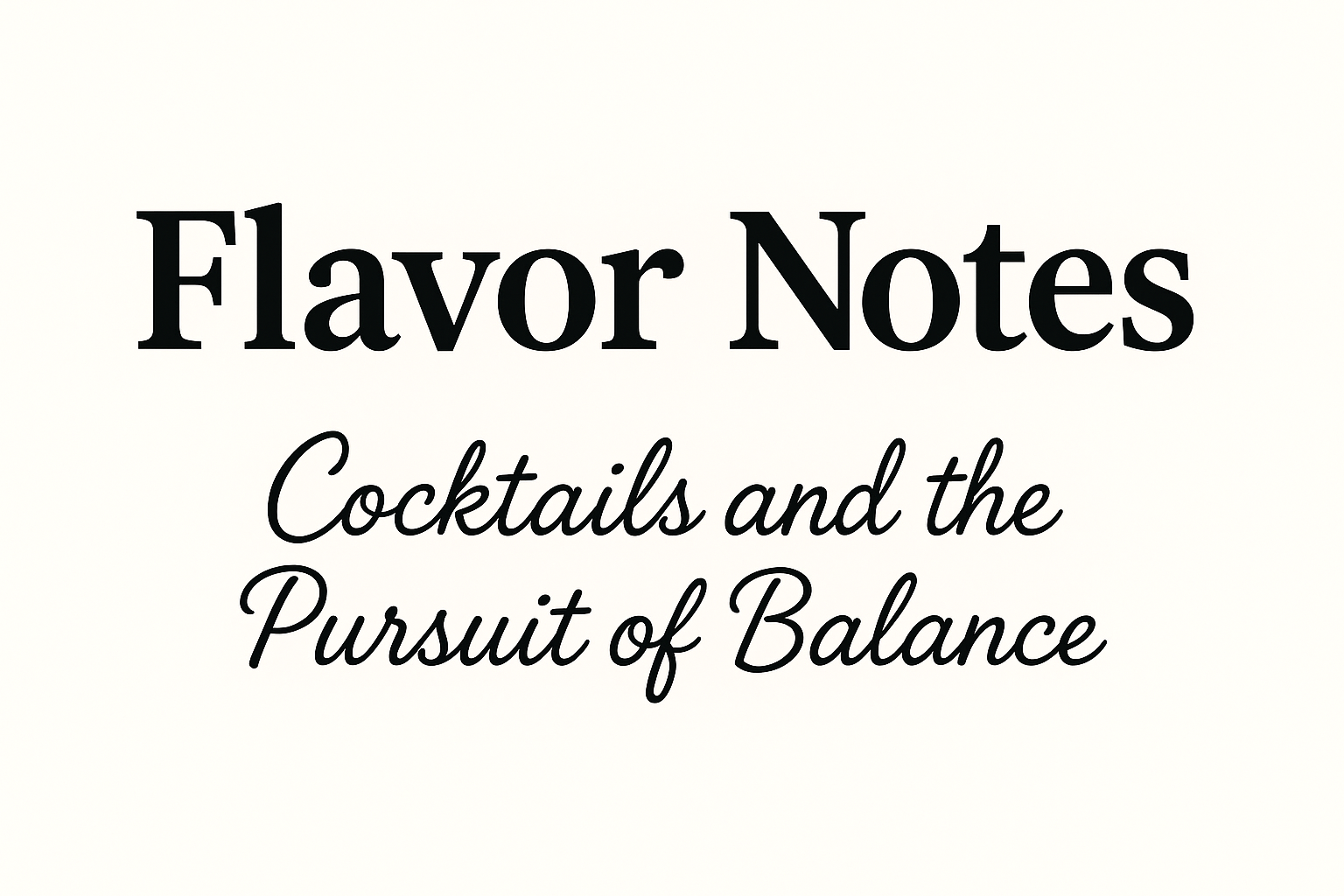
Pelham
- ¾ oz Calvados
- ¾ oz Yellow Chartreuse
- ¾ oz Amontillado Sherry
- ¾ oz French Dry Vermouth
- Stir over ice for 20-30 seconds, until chilled and properly diluted
- Strain into a chilled Nick & Nora glass
- Express the oils from a lemon twist over the drink, then garnish.
Happy Friday, friends!
Last week brought good news from Immigration, Refugees and Citizenship Canada: my application for permanent residence continues to move forward.
This week brought another piece of news.
A different kind of progress. Less paperwork. More water.
And while the first update helps us imagine a more permanent future in Canada, the second has us imagining what we might actually do with a little more of that future.
To honour the occasion, I give you the Pelham cocktail.
As with several cocktails I have shared here, this one comes to me through J. E. Clapham–specifically, his The Amontillado Cocktail Book.

I have recommended quite a few drinks in these pages that include a Sherry component. Apparently, that interest has now reached the point where I require a whole book.
There are worse developments in a home bartender’s life.
The Pelham caught my attention for two reasons: what goes into it, and the associations its name set off in my head.
Let’s begin with the glass.
Four ingredients. Equal parts. No citrus juice.
Instead, this drink finds its balance among orchard fruit, herbal sweetness, nutty wine, and the drier botanical character of French vermouth.
Calvados gives it its apple-brandy foundation.
Made in Normandy by distilling cider–and, depending on the appellation, incorporating pears as well–Calvados develops its character through both the fruit and its time in oak. Younger expressions can be distinctly fruity and floral; older ones move toward more complex notes of candied fruit, nuts, and caramel.
For this cocktail, I am drawn to the suggestion of baked apple, vanilla, and oak. Not apple pie exactly. More like the orchard and the barrel having a thoughtful conversation about autumn.
Next comes Yellow Chartreuse.
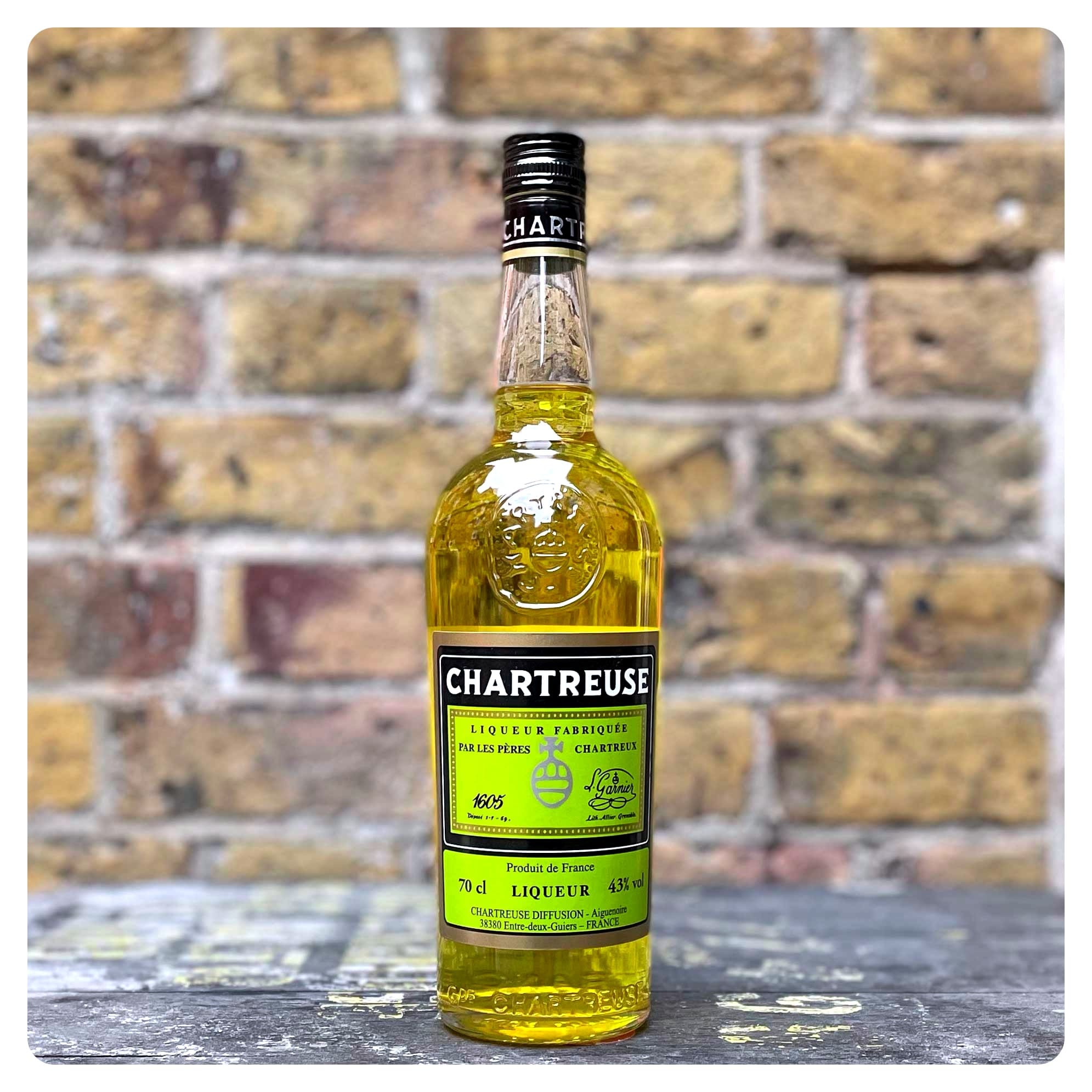
Created in 1840 and still made by the Carthusian monks, Yellow Chartreuse brings sweetness, spice, and a remarkable collection of botanical impressions. At 43% ABV, it is gentler in strength than its green sibling, though hardly shy. Its producer highlights citrus, anise, turmeric, and floral notes.
In this drink, I find honeyed herbs and warm spice weaving themselves around the apple.
Then comes the Amontillado.
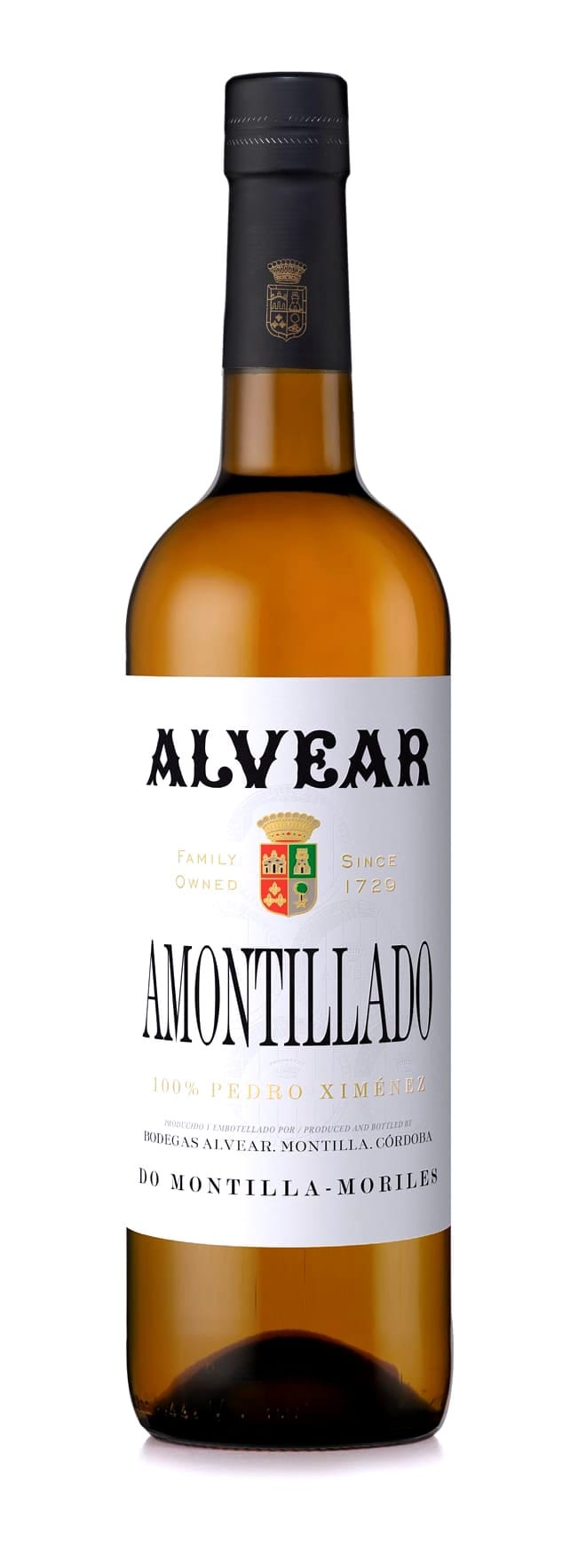
Amontillado’s fascination lies in its two-part ageing story: first beneath flor, the layer of yeast that protects the wine from air, and then with exposure to oxygen. The combination can bring together freshness and savoury depth in a way I find particularly useful in cocktails.
Here I used Alvear Amontillado.
Made from Pedro Ximénez grapes, it ferments to 15% without fortification and spends an average of eight years ageing under flor before a period of oxidative development.
It is a pleasurable sipper on its own. In the Pelham, it brings the dry, nutty depth that keeps the fruit and herbal sweetness from becoming too comfortable.
Finally, French dry vermouth.
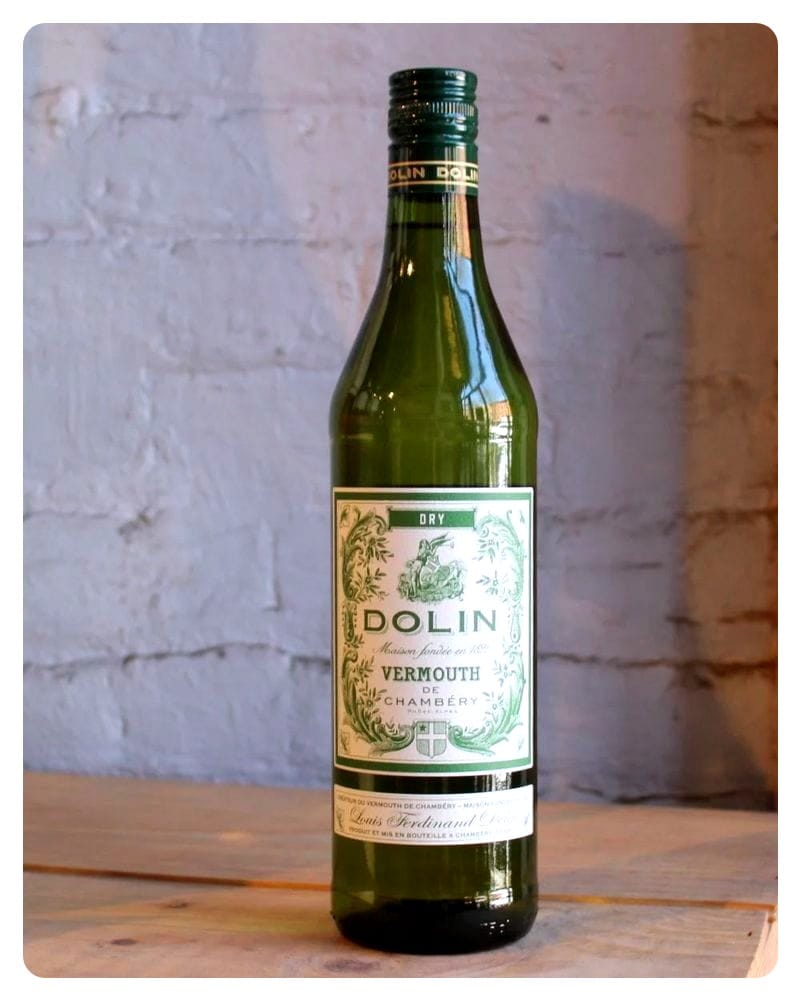
I used Dolin Dry, from Chambéry.
Rather than crowding the drink with another dominant personality, it gives the other ingredients room to move. I find citrus peel, lighter herbs, and a gently bitter edge–the sort of supporting role that becomes obvious only when you imagine the drink without it.
The lemon twist greets you on the nose with bright citrus oils, drawing you toward the orchard fruit and honeyed herbs underneath.
The first sip brings the Calvados’ apple character into focus, softened by the Yellow Chartreuse’s sweetness and botanical spice. Across the mid-palate, the Amontillado’s roasted-nut character emerges alongside the vermouth’s lighter herbal notes, giving the drink a firm, wine-driven backbone.
The combination suggests baked apple with a little toasted almond. Not quite dessert, thanks to the Amontillado’s dryness and the vermouth’s gently bitter grip.
Apple, lingering herbs, and nutty warmth carry the finish, with the lemon keeping the whole affair lifted.
Generous without being sugary. Complex without being crowded.
A quietly celebratory cocktail.
Which seems appropriate for news that has us making plans.
The name Pelham is what brought this drink into this particular week.
I don't believe the connection I made has anything to do with Clapham’s intention. But once it occurred to me, I could not quite leave it alone.
Before encountering this cocktail, I mostly associated “Pelham” with one thing: blue paint on a Gibson guitar.
Think Dave Grohl. Think that particular metallic blue.

Pelham Blue belongs to the long, happy relationship between guitar finishes and automotive paint. Its roots are in Cadillac’s 1960 colour palette, before it became one of Gibson’s distinctive custom finishes during the 1960s.
Beautiful when new.
And sometimes even more interesting with age.
Over time, the clear lacquer over those blue finishes can amber. Yellowed clearcoat over metallic blue changes what our eyes see, shifting the instrument toward teal or green–a look often described as “Pelham Green.”
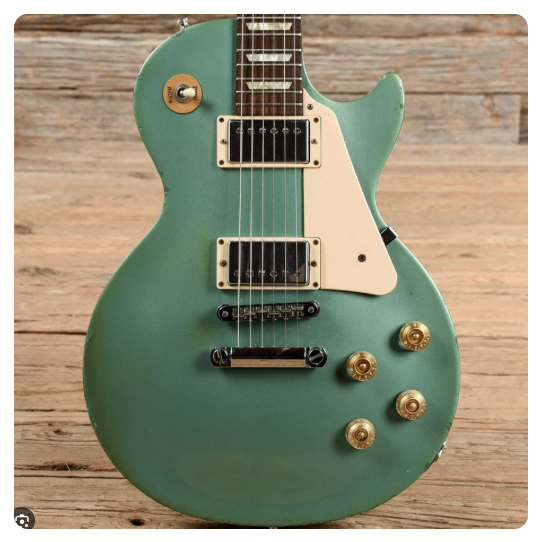
The underlying blue is still there. Time has simply changed the way it reaches us.
And it brings me to the lakes around our home.
We live in the northern part of Kelowna, with Okanagan Lake in front of us. To the east lie Wood Lake and Kalamalka Lake.
Kalamalka, in particular, can stop me in my tracks.
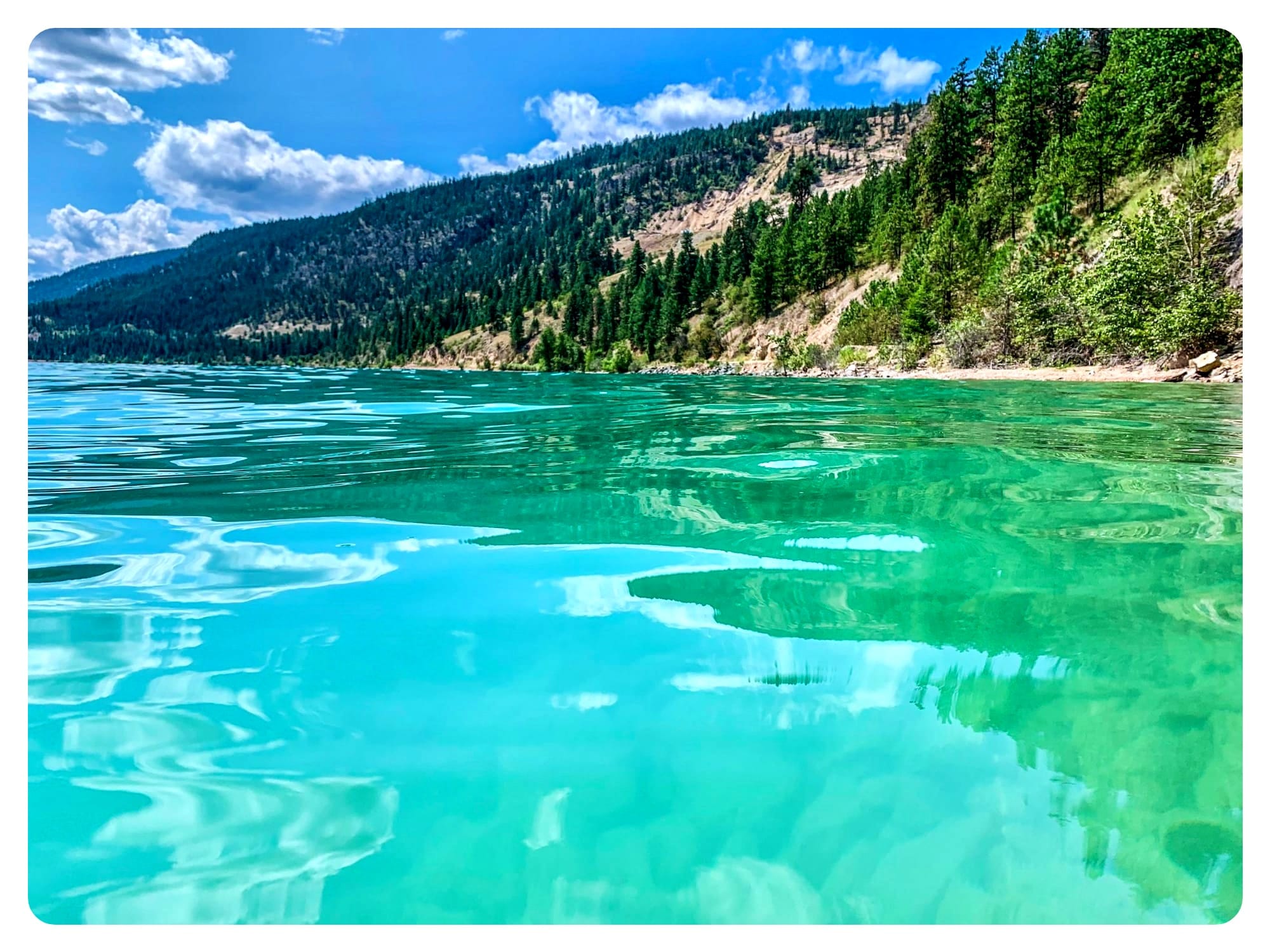
At the height of summer, its water can take on a brilliant aquamarine appearance that looks as though someone has misplaced a piece of the tropics here in interior British Columbia.
There is an explanation, of course. As this marl lake warms, calcium carbonate crystals form in the water and reflect sunlight, producing those distinctive blues and greens.
Knowing the explanation does not diminish the magic of what your eyes see.
Between an ageing guitar and a summer lake, I found myself thinking about colour, change, and the things that become more beautiful as we spend time with them.
And then our marina news arrived.
For anyone who knows my history, water has always been more than scenery.
Through middle school, high school, and university, I spent roughly three-quarters of the year competitively swimming and playing water polo.
During the season, I could spend four hours a day in the pool.
It is a wonder we did not all develop gills.
I blame the chlorine.
There is something about that much time in water that stays with you. The practices end. The competition calendar disappears. Other responsibilities fill the space.
But the feeling does not entirely leave.
I still feel a second home whenever I am on or near water.
So when my wife and I were considering this house, the community marina below it went straight into the “pros” column.
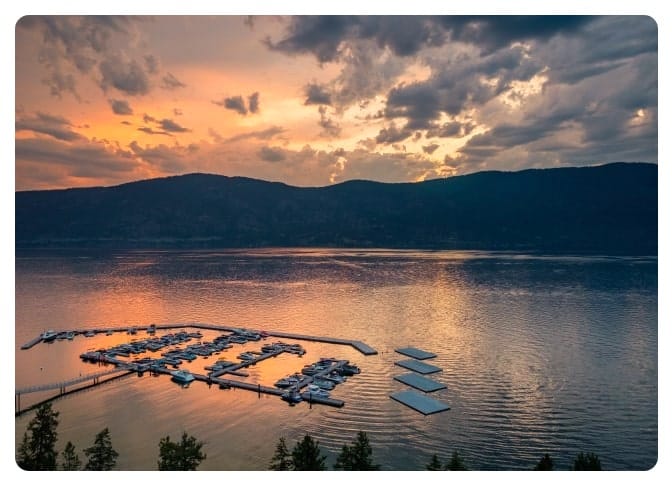
Not because we expected to walk directly into a boat slip–we understood there was a sizable waitlist.
Instead, it represented a possibility.
Perhaps, somewhere down the road, we would spend more of our summers on the lake rather than simply looking at it.
We put our names down. And we waited, with fairly modest expectations.
This week, we received word that McKinley Beach Marina is expanding–nearly doubling in size–for the coming summer season. And that the expansion is expected to accommodate those of us on the waitlist.
For us, the important number is rather smaller. The possibility of one.
One place to tie up. One reason to start making plans. One more way to participate in the life we hoped we might build here.
We are over the moon.
Not simply because of what it might mean for summer 2027, though I will admit that summer 2027 has suddenly become a much more entertaining subject of conversation.
It is also what the news represents.
When we selected this home, being on the water was an idea attached to an uncertain future.
Now that future feels closer.
Something we can begin to picture in more detail.
Moving to another country involves a great deal of practical thinking–applications, licenses, healthcare, employment.
Those things matter enormously. But a life cannot be made entirely out of successfully completed forms.
At some point, you also need things to look forward to.
For me, that has happened through our experiences in Kelowna and through our involvement in the Kelowna Newcomers Club.
I’ve made an effort to engage, to dig deep and understand the beating heart of this formidable country. And that effort has come back to me in friendship, welcome, and opportunities I could not have predicted.
The marina news is another happy development in that larger story. Just another reason to feel grateful for where we have landed.
And another reminder that the future is becoming less abstract.
So, whether Okanagan Lake looks Pelham Blue or Pelham Green, we hope you will find us out on it come summertime, 2027.
Until then, I raise this glass in gratitude to the welcome we have received in Kelowna, British Columbia, Canada. To the people who have made room for us. To the effort of showing up–and the generosity that can meet you when you do.
And to the unexpected pleasure of discovering that a place does not simply give you somewhere to live. It can inspire you to become a better version of the person living there.
For that, I am very grateful.
Cheers! 🍸🌊🍁