Vernal Pyre
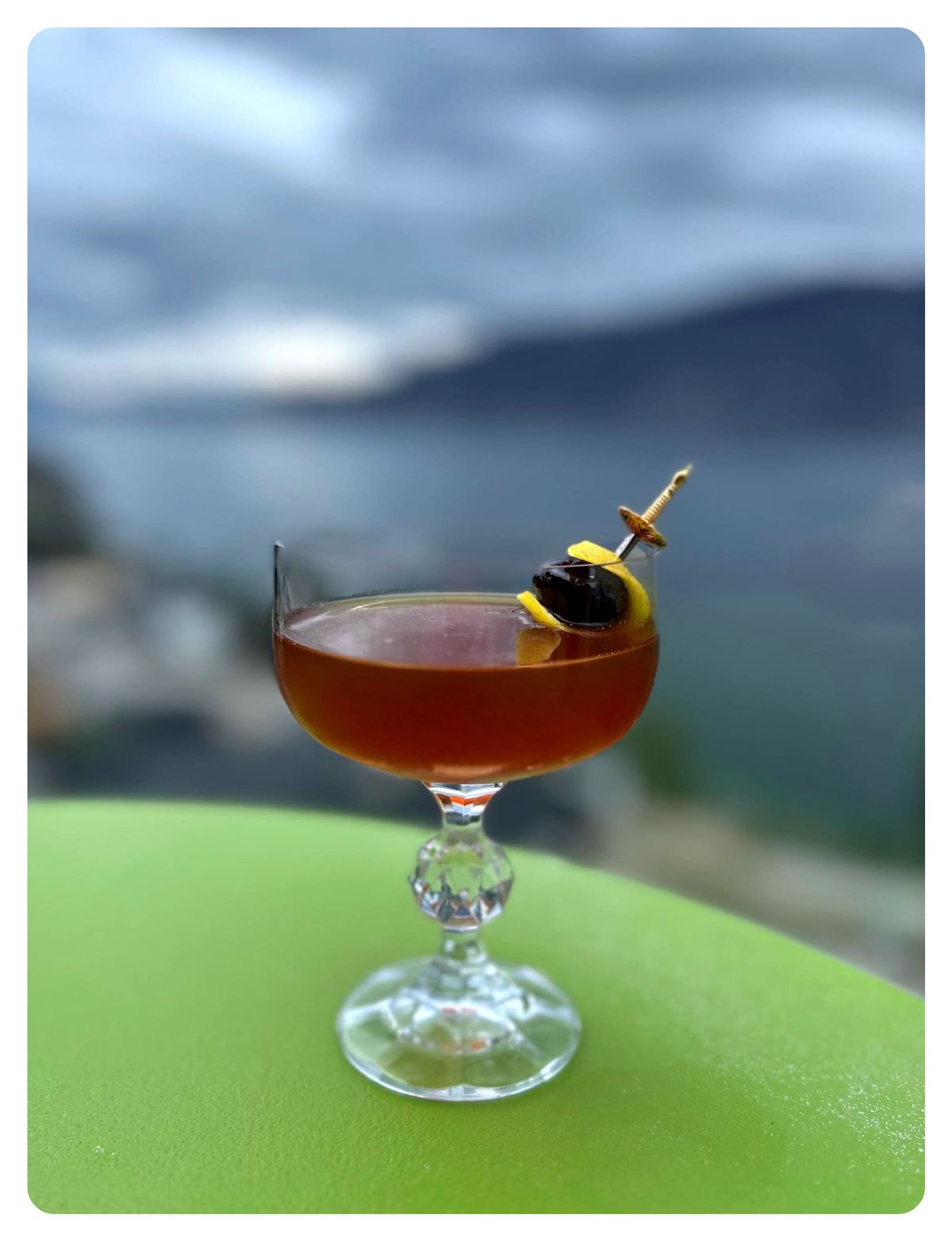
- 1 ¼ oz Old Tom Gin
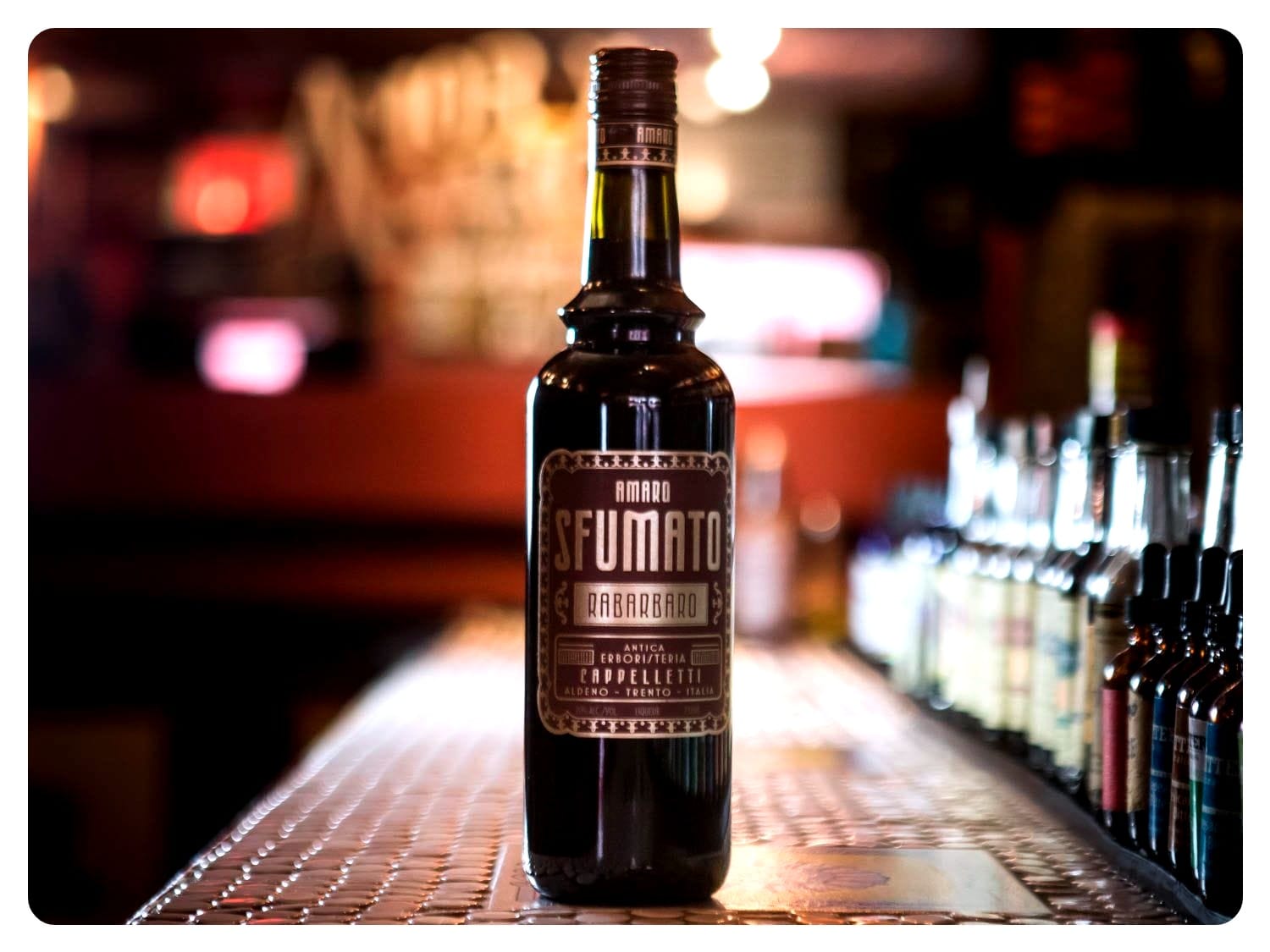
- 1 oz Amaro Sfumato Rabarbaro
- ¾ oz Pineau des Charentes Rouge
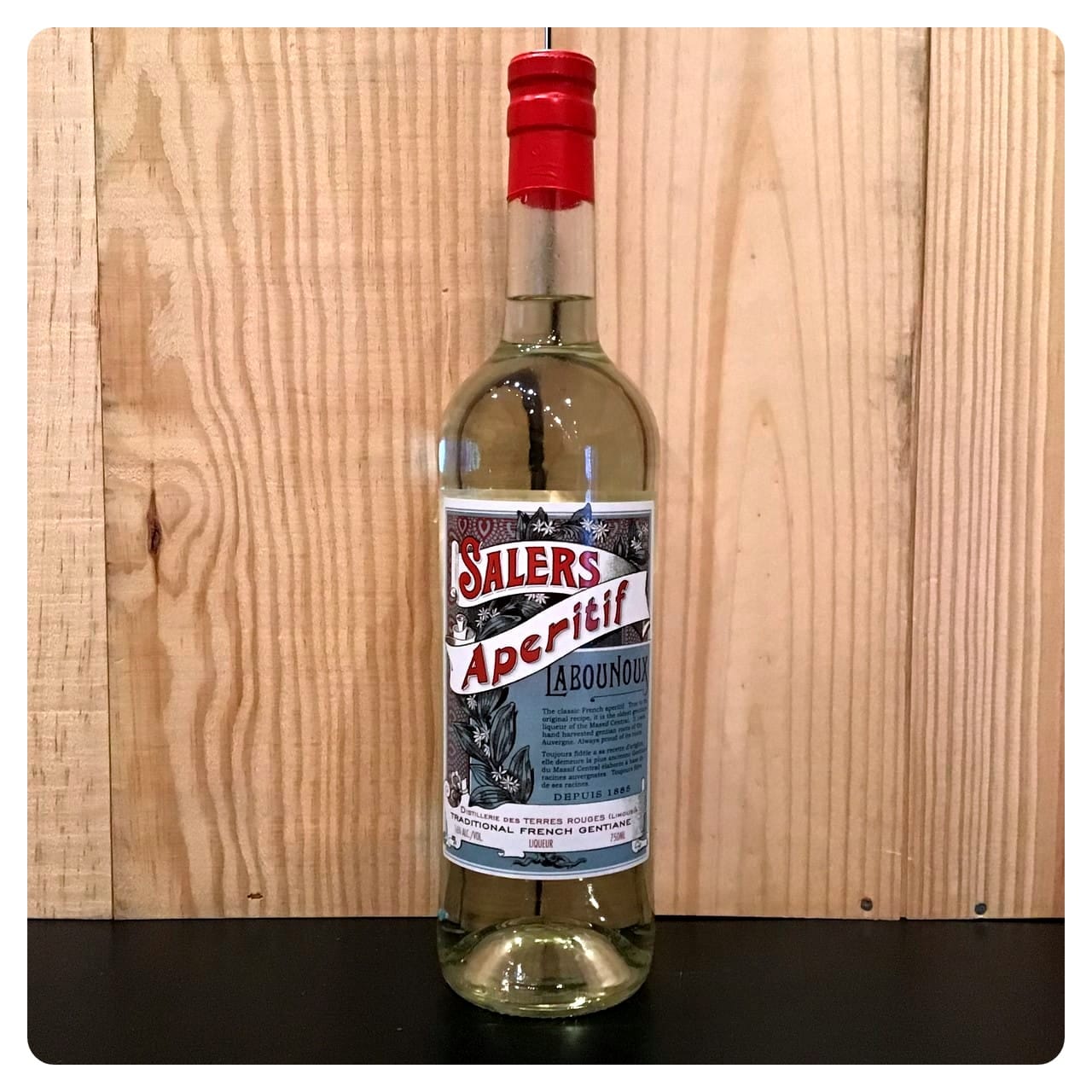
- ½ oz Salers Gentiane Aperitif
- Lemon rind
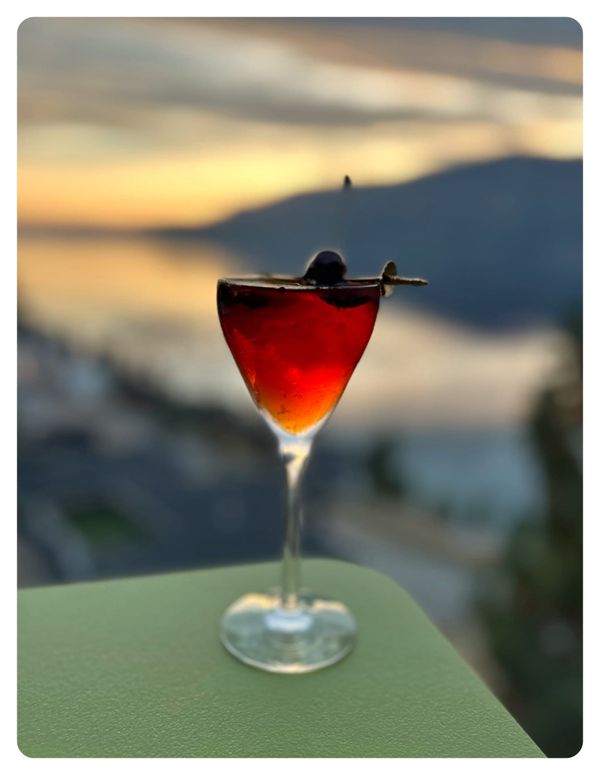
- Shave 1 lemon rind and express the oils into mixing glass, add rind, then add the remaining ingredients and stir in ice for 20-30 seconds. Strain into a coupe.
- Garnish with an additional lemon zest and a cocktail cherry
Happy Friday, friends!
The vernal equinox is behind us, April is here, and we’ve shaken off the frosty sting of winter in exchange for the warm kiss of the sun on buds beginning to open across the Okanagan. Surrounded by orchards and vineyards, the transition from winter to spring feels more immediate here than anywhere I’ve lived before–it’s visible, daily, and impossible to ignore.
It’s in that spirit of transition–the burning off of winter’s detritus and the embrace of new growth–that I bring you an original creation:
The Vernal Pyre.
This Negroni-style cocktail brings together a handful of my favorite spirits: Old Tom Gin for its softer, floral botanicals; Pineau des Charentes rouge for its rich grape must and dried fruit notes; Salers for a firm gentian bitterness; and Amaro Sfumato Rabarbaro for both the smoke of the old season and the earthy sweetness of the new.
To tie it all together, I borrow a regal stir technique–expressing lemon peel oils directly into the mix–from Growing Old and Dying Happy Is a Hope, Not an Inevitability, adding a subtle but unmistakable lift of citrus.
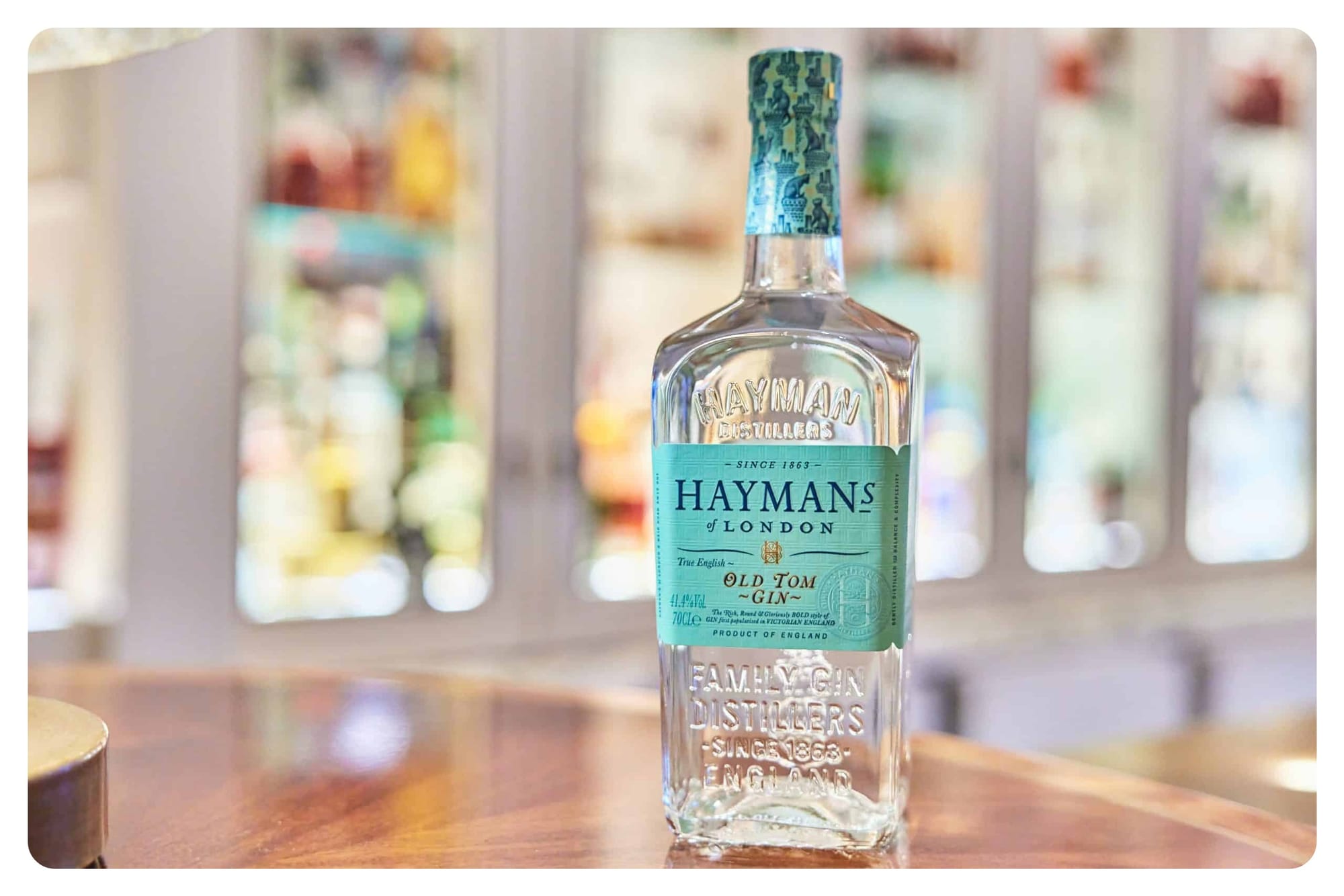
For the base, I used Hayman’s Old Tom Gin, aiming for something more rounded and approachable than a London Dry. Hayman’s delivers exactly that: a creamy, smooth mouthfeel with citrus oils and a gentle sweetness that complements rather than competes. It softens the edges of the more assertive ingredients and keeps the cocktail balanced.
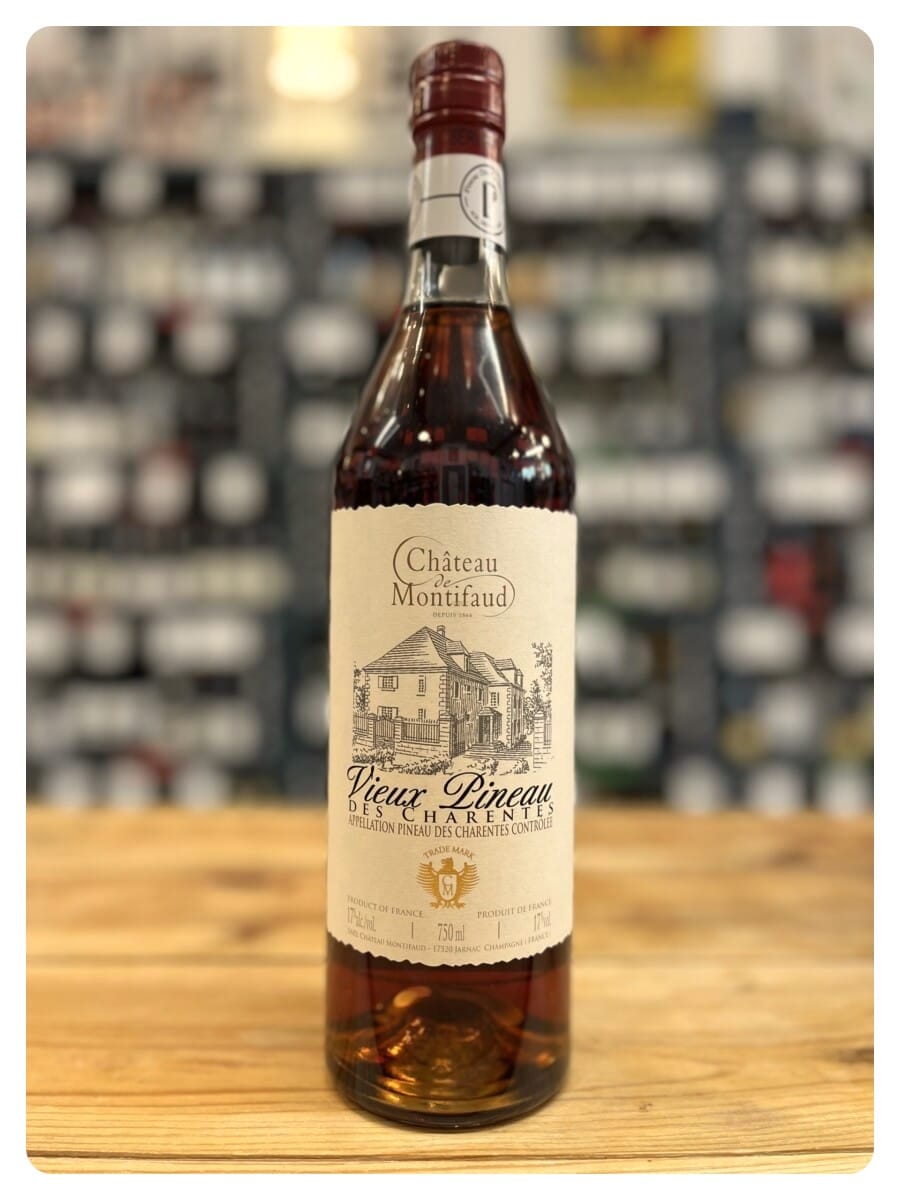
Having previously used a blanc Pineau des Charentes in the Elixir De Longue Vie, I wanted to explore the deeper, more fruit-forward side of the category. With the help of friends at Urban Liquors here in Kelowna, I sourced a rouge Pineau from Château de Montifaud.
This expression brings rich notes of raspberry, cherry, and redcurrant, layered with hints of dried fruit, toasted nuts, and spice. Made from Merlot and Cabernet Sauvignon, it’s smooth, velvety, and warmly sweet–excellent on its own, but even better here, where it plays beautifully with the amaro’s rhubarb character.
There are several rhubarb-based amaros out there, but Amaro Sfumato Rabarbaro stands apart. Its defining characteristic is smoke. Derived from Chinese rhubarb root–not the bright stalks we cook with–it carries a deep, earthy, almost primal aroma. The Cappelletti family enhances this by intentionally smoking part of the ingredient, creating a campfire-like profile reminiscent of mezcal or peated Scotch.
The result is a layered bittersweet experience: candied orange, alpine herbs, and a long, smoky finish. As their own description puts it, it’s “a subtle transition between areas of light and dark”–which feels exactly right for this seasonal moment.
Balancing that depth is Salers Gentiane, a traditional French aperitif made from wild gentian root. It’s earthy, root-driven, and assertively bitter, with just enough sweetness and hints of citrus and anise to keep it in check. It provides structure—the spine of the cocktail—and reinforces the sense that winter hasn’t entirely let go just yet. Suze would work here as well, though Salers leans a bit more rustic and grounded.
On the nose, lemon oil and soft gin botanicals greet you first. The opening sip brings a gentle wave of sweetness from the Pineau and amaro, before transitioning into mid-palate complexity—grape, herb, and citrus weaving together. As it moves to the finish, the cocktail deepens: smoke, gentian bitterness, and earthy vegetal notes emerge, lingering just long enough to remind you where you’ve come from before inviting the next sip.
If spring is a threshold, this drink lives right on it.
While seasonal transitions are often gradual, the Okanagan doesn’t seem interested in subtlety right now. The trees are budding. The vineyards are waking up. The shift is happening whether we’re ready or not.
The Vernal Pyre captures that moment–in a coupe.
The arrival of spring also marks something else for me: the anniversary of our move to Kelowna in 2025.
On March 22, 2025, my wife, her sister and brother-in-law, our three dogs, and a moving truck headed north from Portland to begin the next chapter of our lives. Everything we owned made that trip.
Everything except one pet snake.
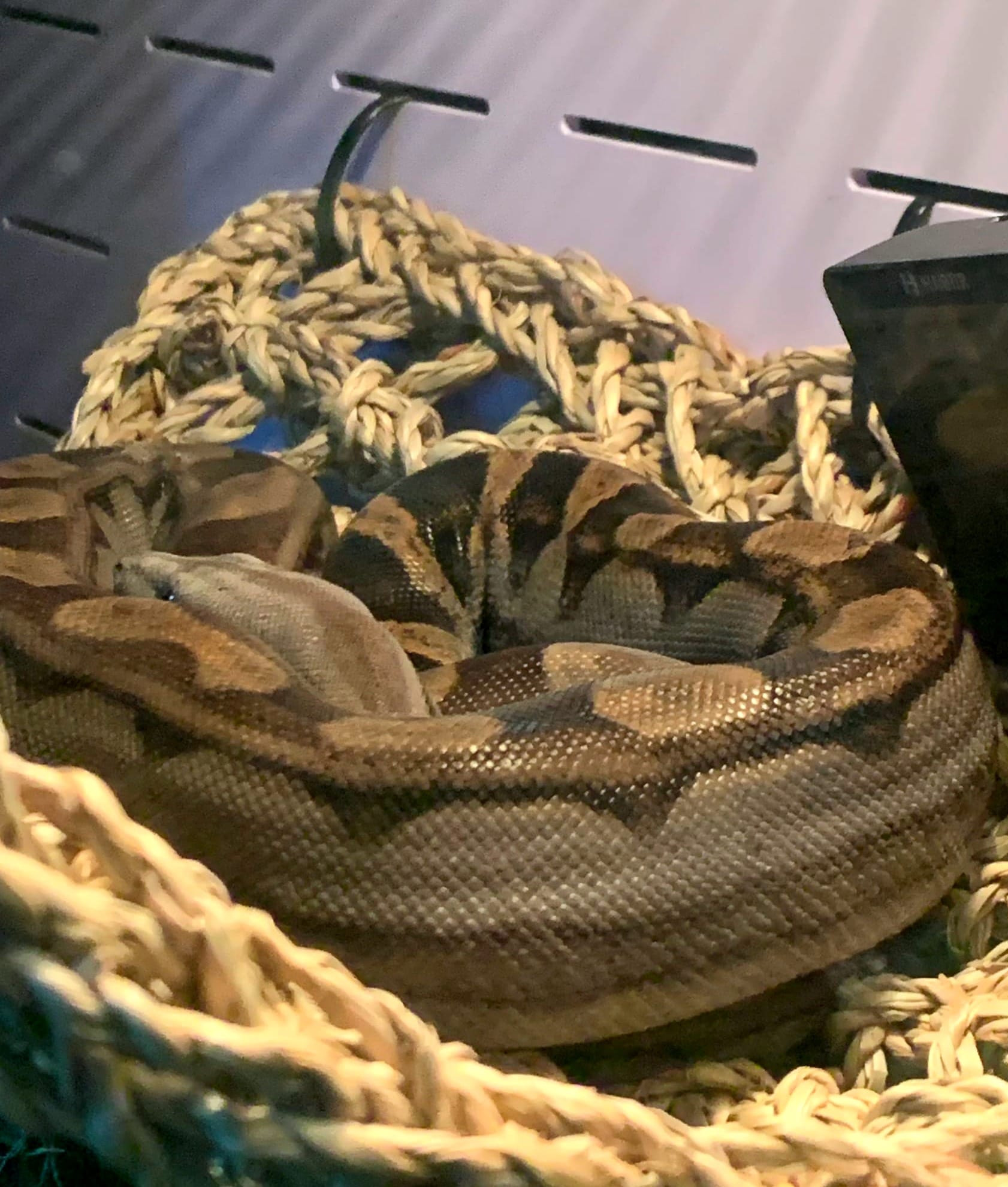
My daughter and I stayed behind for what we thought would be a straightforward task: exporting her pet snake, George, through the U.S. Department of Fish & Wildlife at the Blaine, Washington border crossing.
It was not straightforward.
In the weeks leading up to the move, my wife had worked closely with a Fish & Wildlife representative–Inspector Mike out of Coeur d’Alene–filing forms, confirming requirements, and double-checking every detail. By the time our appointment rolled around, we were confident we had everything in order.
We did not.
At our scheduled appointment, we met Inspector John–a junior staffer with a thin beard and an even thinner tolerance for delivering bad news. After reviewing our paperwork, he informed us that we were missing the one document that mattered most: the official export certificate.
We had a copy. A very good copy. Provided by Inspector Mike himself.
Didn’t matter.
“Inspector Mike doesn’t work in this office.”
After a flurry of phone calls–to my wife, to Mike, back to John–we learned there was no workaround. No substitute. No flexibility. The official document was required, and the only person authorized to issue a replacement wasn’t even working that day.
Naturally, the original document arrived at our Portland home via FedEx…while we were standing at the border.
So we turned around and drove five hours back to Portland. Arrived late. Found the envelope waiting for us on the front step.
Then we did it all again the next morning.
This time, with the correct document in hand, Inspector John greeted us with noticeably improved enthusiasm–having apparently been corrected overnight. He personally directed us into the appropriate lane for the Canadian crossing, where we presented our meticulously acquired export paperwork.
The Canadian agents barely glanced at it.
They were far more interested in the snake–securely contained in a plastic travel bin in my daughter’s arms. When she offered to show them, they politely declined. Quickly. With visible recoil.
And that was that.
All that effort, all that bureaucracy–and in the end, the only entity that truly cared about the document was the one that required it.
It was a small but telling moment. A glimpse into how systems–designed with purpose–can drift into rigidity. And why, for some, the instinct isn’t to reform them, but to burn them down entirely.
A pyre, of sorts.
So whether you’re marking the transition from winter to spring, or reflecting on larger cycles of breakdown and renewal, I raise this Vernal Pyre to you.
May your winter burn clean, and your spring arrive in full bloom.
Cheers! 🔥🌸🥃