The Departed
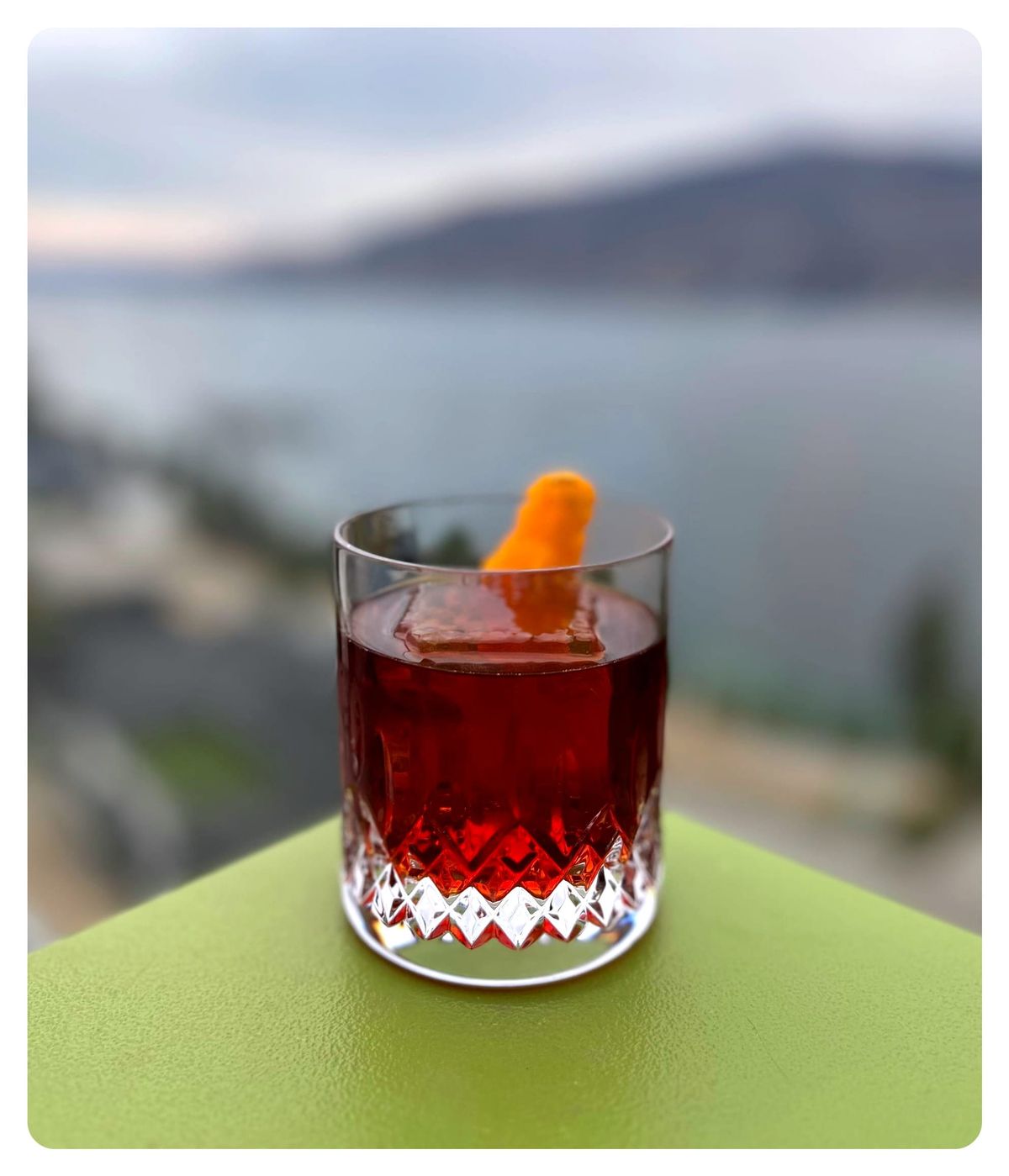
- 1 oz El Dorado 12-Year-Old Rum
- 1 oz Campari
- ¾ oz Amaro Averna
- ½ oz Mezcal
- 1 dsh Peychaud’s Bitters
- Stir over ice for 20-30 seconds
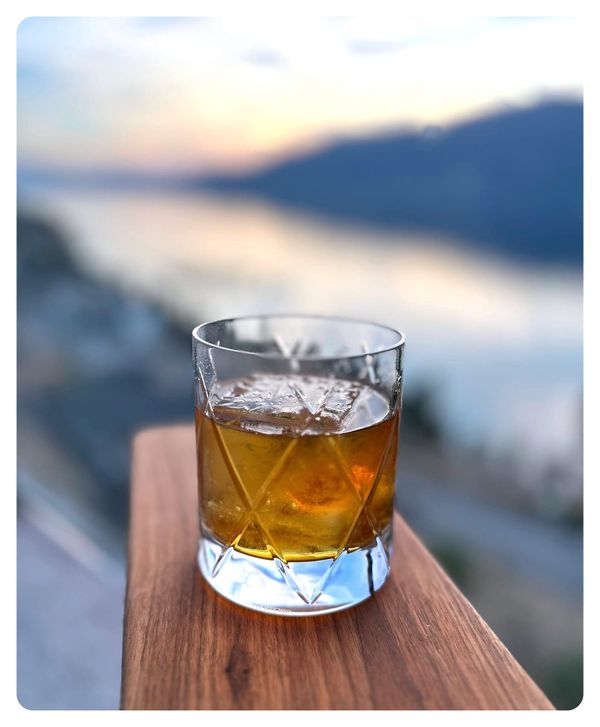
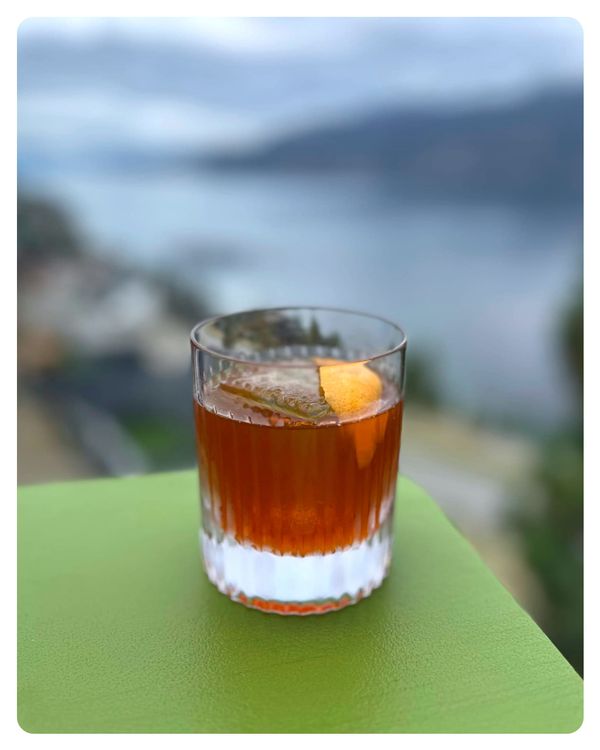
- Strain over one large rock of ice into a chilled Old Fashioned glass
- Express an orange twist over the drink and garnish
Happy Friday, friends!
Today’s Flavor Notes is a somber one.
Twenty-five years ago today, nearly 3,000 people were murdered in coordinated terrorist attacks in New York City, Northern Virginia, and near Shanksville, Pennsylvania. The scale of loss remains almost impossible to process: 2,753 people killed in New York, 184 at the Pentagon, and 40 aboard United Flight 93.
In their honour, may I present the Departed.
This is not a “9/11 cocktail,” nor should it be. It is simply a drink whose name, character, and quiet gravity make room for remembrance.
The Departed is dark, smoky, bittersweet, and structured around reflection rather than spectacle. Its ingredients suggest a city at dusk after something unimaginable: rum’s warmth, Campari’s bitter-orange glare, Averna’s deep herbal shadow, mezcal’s smoke, and Peychaud’s faint anise. Each creates a different emotional register in the same glass.
The cocktail was created by Toronto bartender Sandy De Almeida. It comes from her home bar rather than a marquee hotel or famous cocktail institution. That intimacy feels right. The drink is not built like a monument. It is built like a private moment: stirred, served over ice, and meant to be sat with.
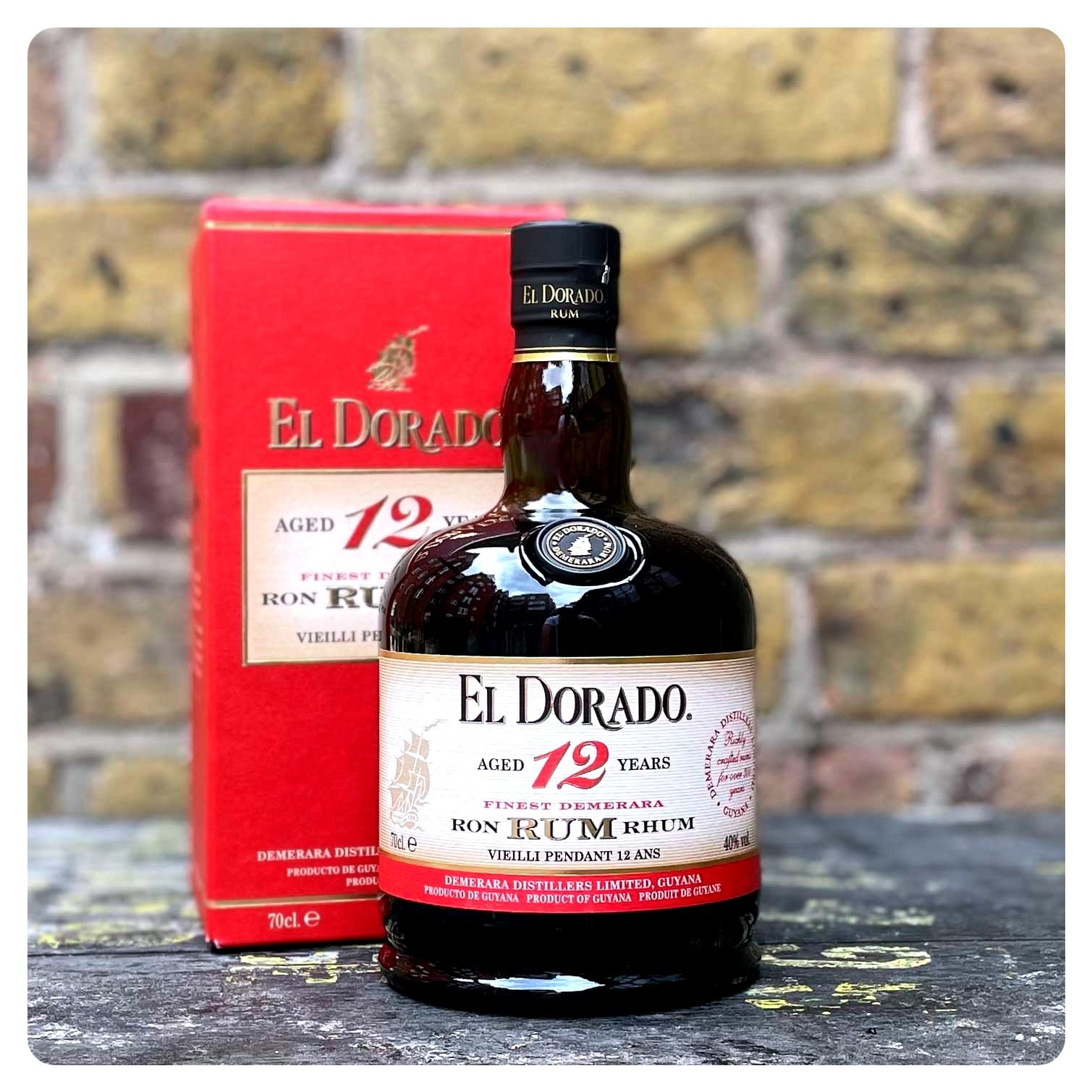
The base is Demerara rum, with El Dorado 12-Year-Old from Guyana as the recommended choice. You may remember it from Flavor Notes’ Three Dots and a Dash. El Dorado 12 is a luxuriously rich rum shaped by Guyana’s historic stills and molasses-based production. It brings caramel, toffee, vanilla, dark sugar, dried fruit, cocoa, oak, and baking spice–warm flavours with enough weight to carry the cocktail’s more difficult notes.
Then comes deep red Campari.
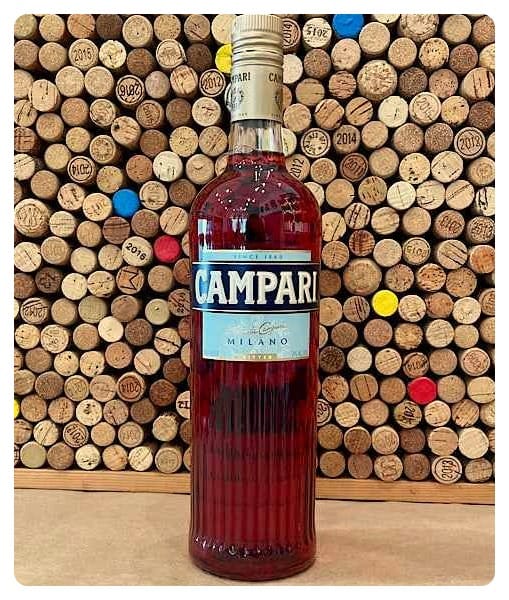
Campari’s bitter orange, rhubarb-like roots, herbs, and vivid red insistence keep the cocktail from drifting into sentimental sweetness. It delivers the sharp reminder that certain memories should never be polished smooth.
Averna, the Sicilian amaro we have used more than once on Flavor Notes, deepens that bittersweetness with caramel, molasses, dark cocoa, candied orange, licorice, cinnamon, clove, and Mediterranean herbs. Where Campari is bright and insistent, Averna is darker, rounder, and more contemplative. It creates the emotional middle of the drink: grief held with warmth, bitterness tempered by time.
But where there is tragedy on the scale of September 11, there is also smoke.
Only a shy half-ounce of mezcal supplies the Departed’s smoke. Made from agave roasted in earthen pits before fermentation and distillation, mezcal can bring roasted agave, earth, char, ash, savoury mineral notes, and a lingering campfire quality. Here, it should be a shadow rather than the whole picture–a reminder of aftermath without turning the drink into a theatrical reenactment.
Finally, Peychaud’s bitters bring a small but important thread of anise, cherry, gentian, and baking spice. The orange twist lifts everything above the glass with aromatic brightness: not false optimism, exactly, but a gesture toward the living world continuing around grief.
On the nose, orange oil opens first, followed by darker molasses, bitter herbs, and subtle smoke. The first sip is rum and Campari: brown sugar meeting bitter orange. Averna soon fills out the mid-palate with caramel, cocoa, spice, and licorice, while the mezcal gathers momentum toward the back like distant smoke caught in fabric. Peychaud’s and orange oil leave a long, bittersweet finish—warm enough to invite another sip, but serious enough to keep you thinking.
The Departed does not solve or redeem anything. It simply makes room: for those lost, those who ran toward danger, the families who carried impossible aftermaths, and communities forever altered.
It is a quiet toast to the departed–and to the responsibility of the living to choose empathy, truth, and peace in the years that follow.
The attacks on September 11 played a central role in my young adulthood.
Not because I experienced the grand scale of the tragedy in New York City. I did not.
I was in Washington, D.C., living with my then-girlfriend–now my wife–and working at 1401 H Street NW, only a few blocks from the White House.
I worked for a financial trade association, and managers had small televisions at their desks permanently tuned to financial-news channels. That morning, the Metro brought me to work by 8:30. I said hello to my manager, settled in at my desk, and began an otherwise ordinary Tuesday.
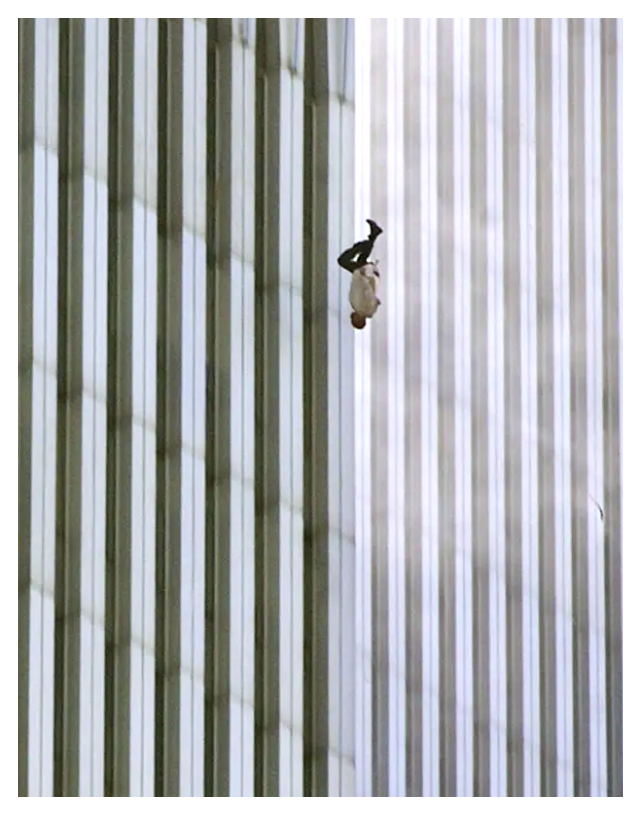
Then, at 8:46 a.m., American Airlines Flight 11 struck the North Tower of the World Trade Center.
It took a few minutes for the news channels to understand what had happened. Cameras turned toward lower Manhattan. At first, we all assumed it was a horrible accident.
At 9:03, United Airlines Flight 175 struck the South Tower.
We saw that impact on television.
It was no accident.
Every television in the office became the center of gravity. Nobody was really working. Nobody knew what came next.
At 9:37, American Airlines Flight 77 struck the Pentagon.
My then-girlfriend was working in Georgetown, just across the Potomac from the Pentagon. Suddenly, what had been horrifying and distant became immediate and terrifyingly local.
At that point, we were sent home.
Being close to the White House, we walked–some ran–as far away from downtown as we could. Cars were bumper-to-bumper for as far as the eye could see. What followed was a labyrinthine attempt to get out of the city and reach our home near in Hyattsville, Maryland.
At 9:59, the South Tower fell.
The uncertainty was almost as frightening as the images on television. Planes had been used as weapons. What else might be vulnerable? Would underground mass transit be an obvious target? Could we safely take the Metro? Cellphone networks were overwhelmed, and I could not reach my now-wife.
I could only hope she was asking the same questions, making the same decisions, and finding her own route home.
We walked until we reached an above-ground section of the Metro system.
At 10:03, United Flight 93 crashed in Pennsylvania after passengers fought back against the hijackers. This had been the flight meant for the White House. We were wise to run when we did.
At 10:28, the North Tower fell.
Eventually, my wife and I made it to the Fort Totten transfer station and found our way toward West Hyattsville. We arrived shell-shocked and dumbfounded. There were no words large enough for the day.
And we had it easy.
The immediate toll was 2,977 lives. But the aftermath has continued for 25 years.
More than 9,000 people have now died from illnesses connected to the attacks and their aftermath, a number that exceeds the death toll of the day itself. More than 10,000 FDNY members are living with a 9/11-related illness, while more than 4,200 FDNY personnel carry a cancer certification.
The World Trade Center Health Program documents tens of thousands of responders and survivors with certified aerodigestive, cancer, mental-health, and other conditions. The aftermath was not over when the smoke cleared. For many people, it never really ended.
Public assurances about post-collapse air safety proved tragically wrong. The legacy of toxic dust, delayed treatment, illness, and a decades-long fight for recognition remains one of the most painful and enduring failures of the aftermath.
For me, my takeaway was immediate.
Get busy living.
I had already bought the ring. I had not yet proposed.
The following weekend, I took my future wife to dinner at Georgia Brown’s, a beloved D.C. soul-food institution near the White House that would sadly close last year, more than 30 years after opening. Then we walked to Lafayette Square.
As you might imagine, only a week after the largest terrorist attack in American history, the park was filled with heavily armed security personnel. It made for an absurdly memorable backdrop when I got down on one knee and read the proposal poem I had written.
She said yes.
We were married a year later here in Kelowna. We had our daughter roughly another year after that. We moved to Portland, Oregon, in December 2004.
We moved back to my wife's hometown of Kelowna, British Columbia in 2025.
And the rest is history.
But history stopped for so many people that day.
To the thousands we lost on September 11, and to the many thousands more since, I raise a quiet toast. To the first responders. To the recovery workers. To the survivors. To the families who carry names and absences through every anniversary. To the people who were in New York, at the Pentagon, in Pennsylvania, in Washington, and around the world, whose lives split into a before and an after.
May we never forget the horror, the sacrifice, the geopolitical failures, the senseless violence, and the immeasurable cost of treating human life as expendable.
In memoriam. 🥃✈️🧑🚒