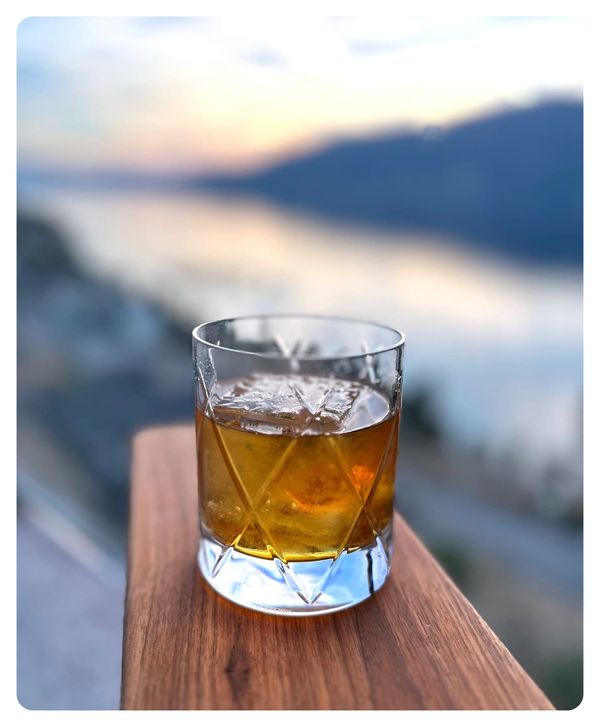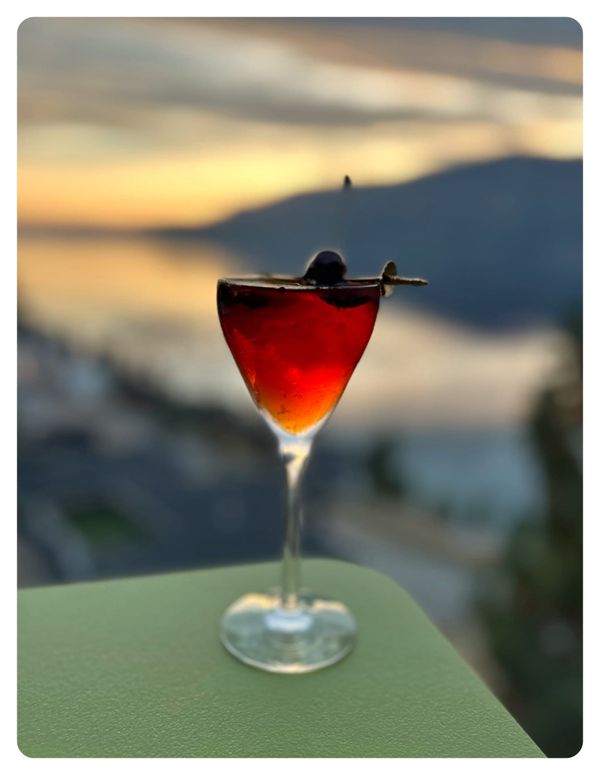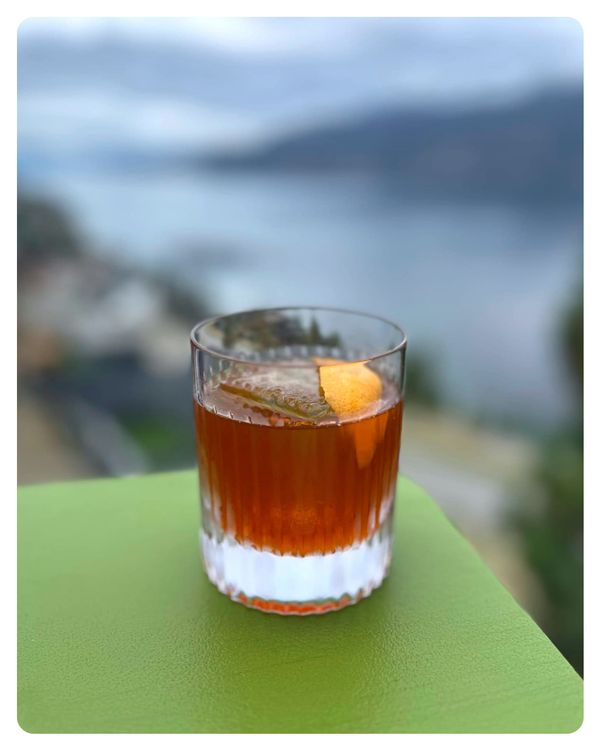
Holy Smokes
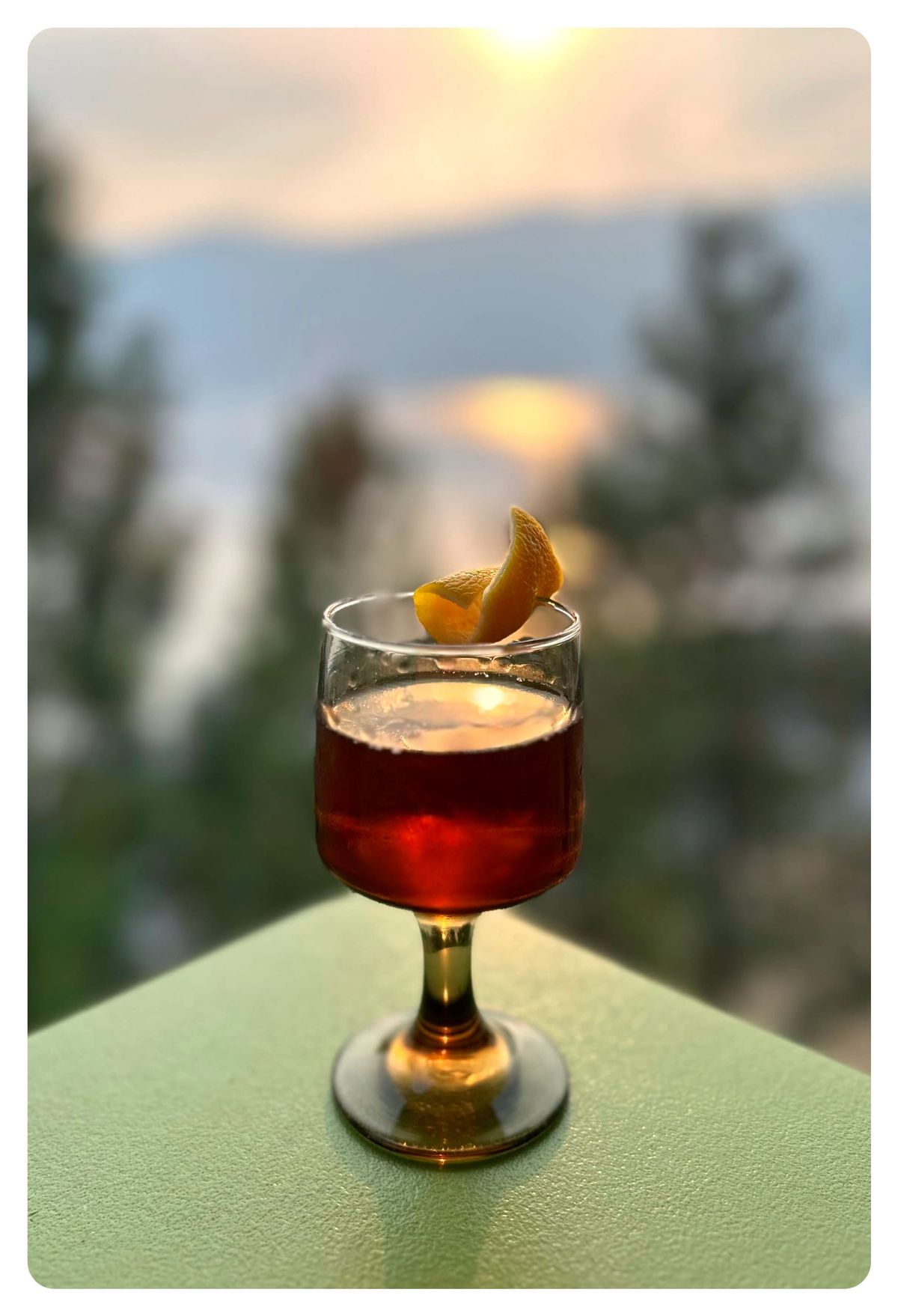
- 1½ oz Bourbon
- ½ oz Bénédictine
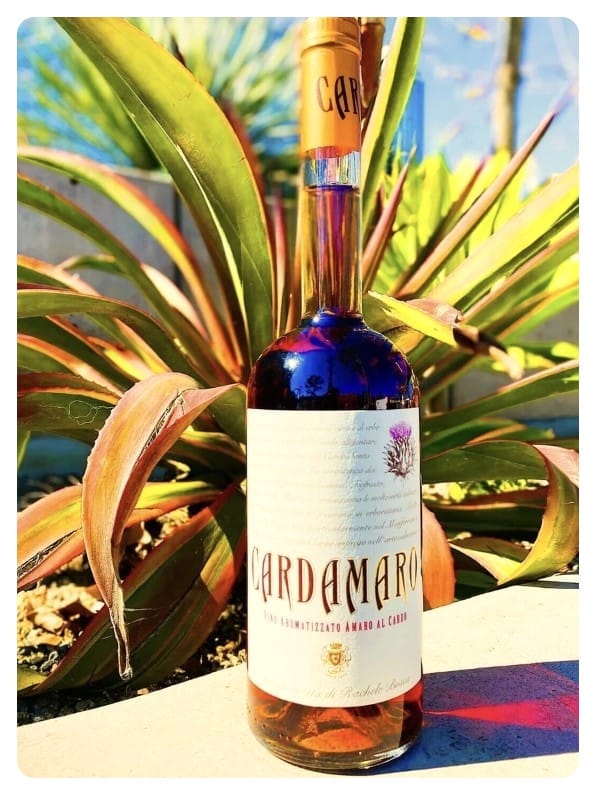
- ½ oz Cardamaro
- 1 bsp Islay Single Malt Whisky
- 2 dsh Chocolate bitters
- Stir with ice for 20-30 seconds
- Strain into a chilled coupe
- Garnish with a flamed orange twist
Happy Friday, friends!
We in British Columbia, along with other parts of Canada and the world, are in fire season. Large stretches of the corridor between the Okanagan and the Lower Mainland have been burning for the last couple of weeks, and more recently parts of France and Spain have also been hit by wildfires.
So, with all of that in mind, may I present the Holy Smokes.
This one comes to me, once again, through J.E. Clapham’s That’s Amaro Cocktail Book, thanks to the use of Cardamaro. But the cocktail itself was created by veteran bartender Tony Devencenzi during his time at legendary San Francisco bars like Bourbon & Branch–the same bar where Erick Castro honed his craft and later created the Ninth Wonder. Devencenzi designed Holy Smokes as a spirit-forward, complex riff on the whiskey-and-herbal template, combining bold American whiskey with monastic French and Italian components, then finishing it with a whisper of peaty smoke.
As for me, I’ll never say no to anything featuring Bénédictine. As discussed in previous Flavor Notes, Benedictine was originally developed by Bénédictine monks as a medicinal herbal recipe at the Abbey of Fécamp in Normandy in 1510. It’s known for its honeyed herbal sweetness and for the way it shows up in classic Louisiana-style cocktails.
The sweetness from both the Bénédictine and the bourbon–though I’d recommend a bottled-in-bond or higher-proof bourbon so it can stand up to the other complementary ingredients–is counterbalanced by Cardamaro, a fortified wine-style amaro.
Cardamaro was created in the 1950s by herbalist Rachele Torlasco Bosca in Piedmont, Italy. It begins with a Moscato wine base–the same Muscat-family grape used in some sherries–and is infused with cardoon thistle, blessed thistle, ginger, calumba, cloves, licorice root, cardamom, and more than 20 other botanicals before aging in oak. On the nose it brings dates, cardamom, brown sugar, caramel, and soft herbal pine. On the palate, it leans sherry-like, with golden raisins, dried fruit, cinnamon, and a gentle vegetal bitterness. As amaros go, Cardamaro is wonderfully easy to sip on its own.
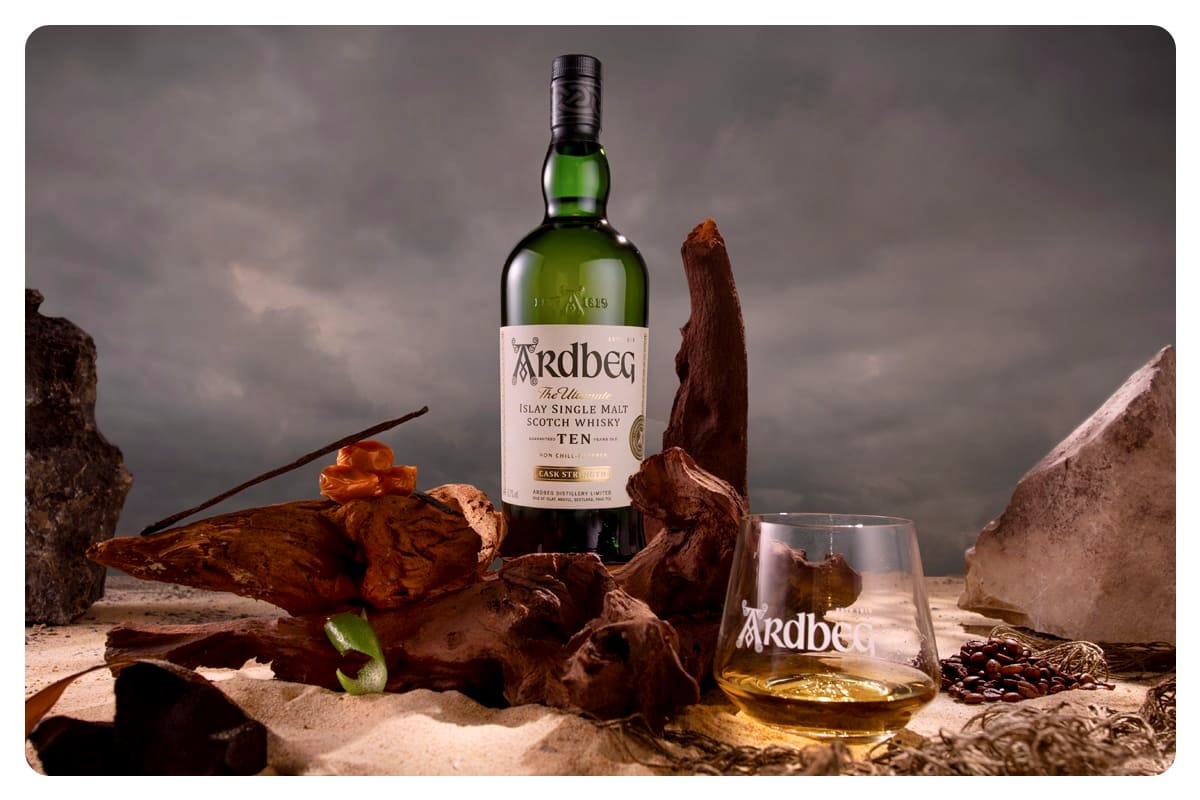
To top it off, the recipe calls for a barspoon of Islay Scotch and a couple of dashes of chocolate bitters. The original spec calls for one of the smokiest Islay malts–Ardbeg–so a small amount goes a long way. Unfortunately due to price points, this Holy Smokes of mine will be featuring Bowmore.
The burnt citrus notes greet you first on the nose, opening into a sweet mélange of honeyed herbal warmth and caramelized chocolate. The bourbon carries the sip alongside the vino amaro across the palate, where the peaty smoke and the bittersweet edge of the Cardamaro meet and settle the drink into something both soot-dark and strangely comforting. The chocolate and smoke make for a pairing I hadn’t fully appreciated until now.
Holy Smokes is both a reminder of the scorched earth around us this summer and a small relief from it–a way of finding a little redemption in the glass.
Smoke has been a seasonal companion in the Okanagan for a long time, but this year it feels closer, thicker, and harder to ignore. Between the fires burning across British Columbia, elsewhere in Canada, in our former home of Oregon, and across western Europe, the air has carried a grim reminder that wildfire season is no longer a distant or local problem.
Kelowna and the Okanagan know this story well.
In August 2003, the Okanagan Mountain Park Fire began with a lightning strike near Rattlesnake Island and quickly became one of the most destructive wildfires in the region’s history. It forced more than 27,000 to 33,000 evacuations and burned roughly 25,000 hectares–more than 250 square kilometres–destroying 239 homes, and causing about $200 million in damage.
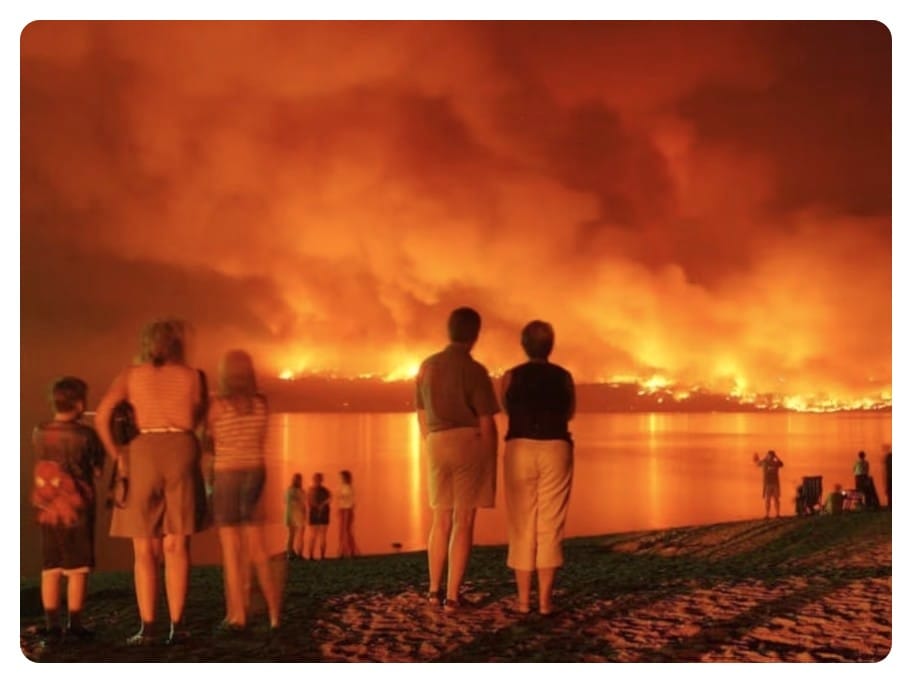
The fire tore through the south slopes of Kelowna and even reached the Myra Canyon trestles, leaving a scar that many locals still remember viscerally. That was the year after my wife and I got married, and even from a distance–hearing about it from her parents as they prepared to evacuate–it felt like the landscape had been permanently recast.
That 2003 fire was such a destructive shock to the system that one resident collected images and wrote a book about it: Firestorm: The Summer BC Burned.
Twenty years later, the McDougall Creek wildfire repeated the nightmare with brutal precision. Starting about 10 kilometres north of West Kelowna in August 2023, it grew quickly, jumped the 2.5-kilometre width of Okanagan Lake, and forced evacuations across West Kelowna and parts of Kelowna, including communities just south of where we’ve relocated to in McKinley Beach. The fire burned nearly 14,000 hectares, destroyed or impacted hundreds of structures, and caused insured losses measured in the hundreds of millions of dollars. It was one of the most destructive and costly wildfire events in B.C. history, and for many of us it remains painfully recent–less a memory than an unfinished sentence, with blackened skeletal trees still dotting the hills on the drive home.
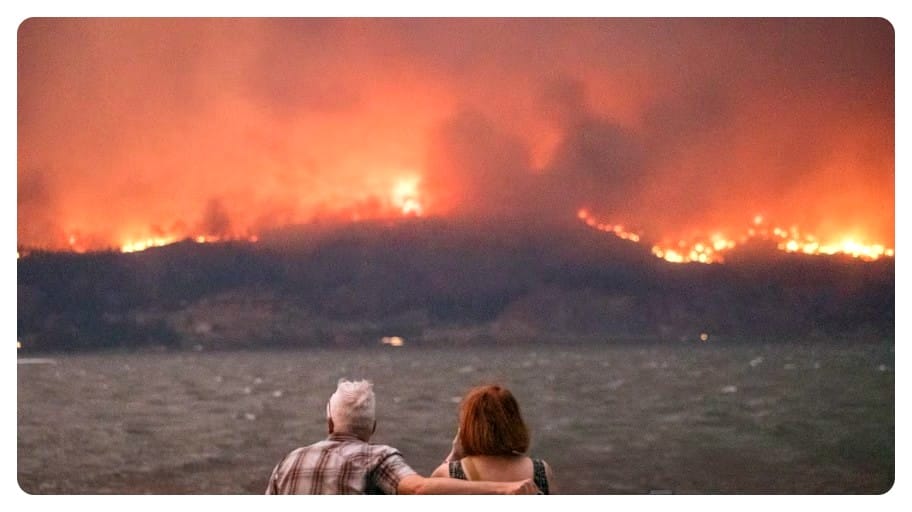
And now we are in another hard summer, with fire danger pressing once again in British Columbia, including the Clinton area and beyond. What makes this season so unsettling is not just the flames themselves, but the way the smoke drifts and lingers, turning one region’s emergency into everyone’s shared experience.
Wildfire is no longer a matter of “somewhere else”; it is part of the climate reality of western Canada.
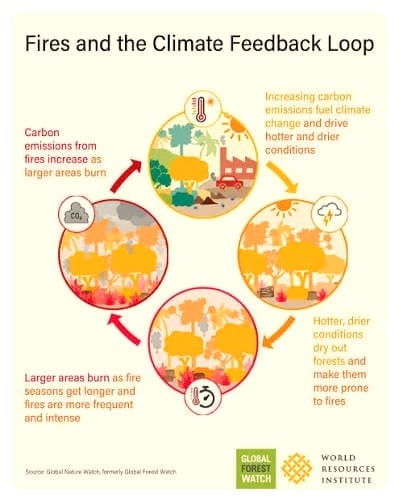
That reality is also tied to the boreal forest, which stretches across much of Canada and stores enormous amounts of carbon. When those forests burn, they do not simply release smoke; they release carbon that had been held in trees, soil, and legacy organic matter for decades or even centuries.
Research shows that warming and drying conditions are increasing the size, intensity, and frequency of boreal fires, risking a dangerous feedback loop in which forests shift from carbon sinks to carbon sources, further accelerating global warming. In other words, burning the boreal is one of the ways climate change speeds itself up.
So this week’s Holy Smokes is more than a cocktail. It is a toast to resilience, to the people rebuilding after fire, and to the wildland firefighters who run toward danger in B.C., across Canada, and–when asked nicely–down into the U.S. as well. Their work is exhausting, skilled, and essential, and it deserves as much gratitude as we have to give.
A Holy Smokes to them all.
To your health! 🥃🍁🧑🚒