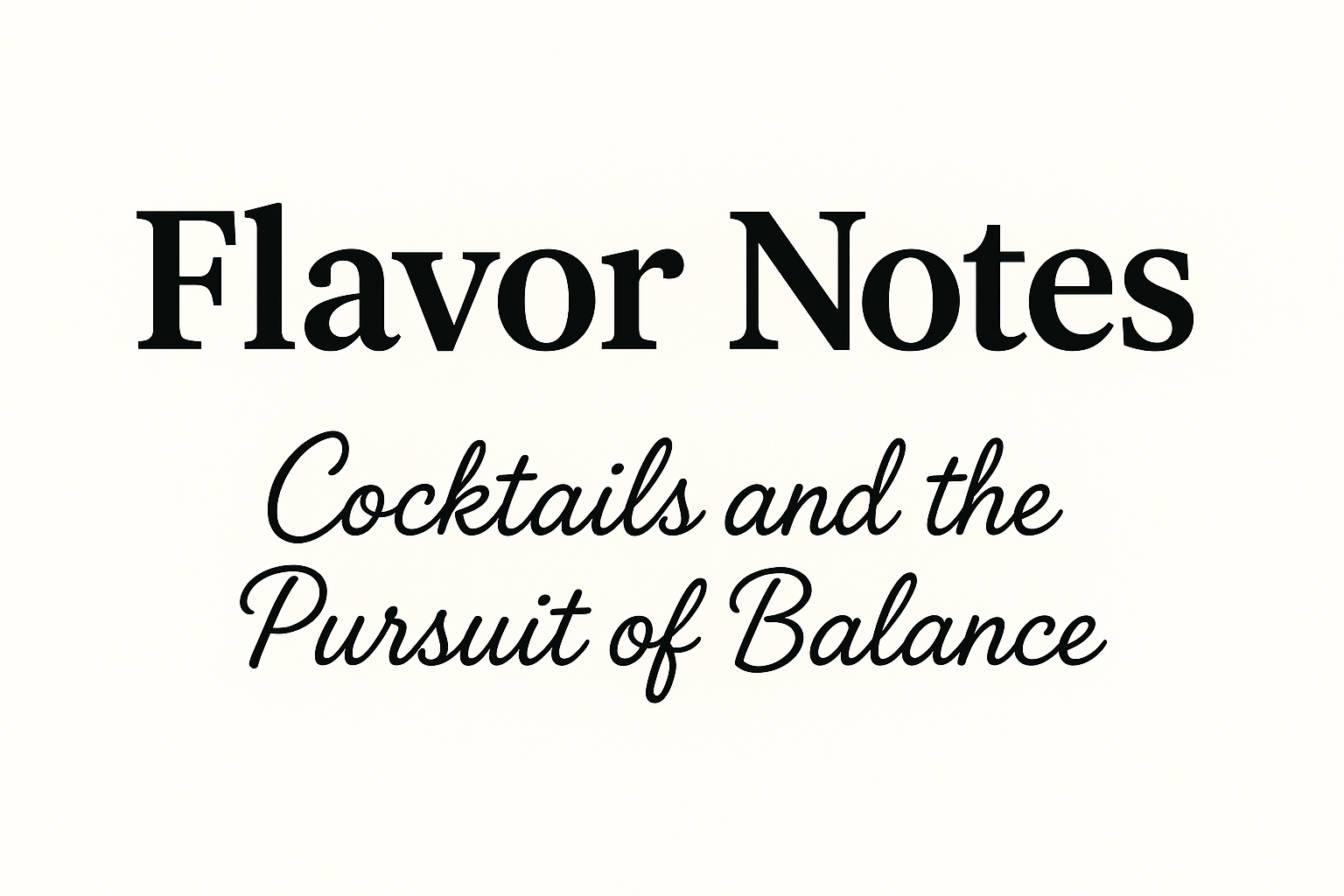
Sore Loser
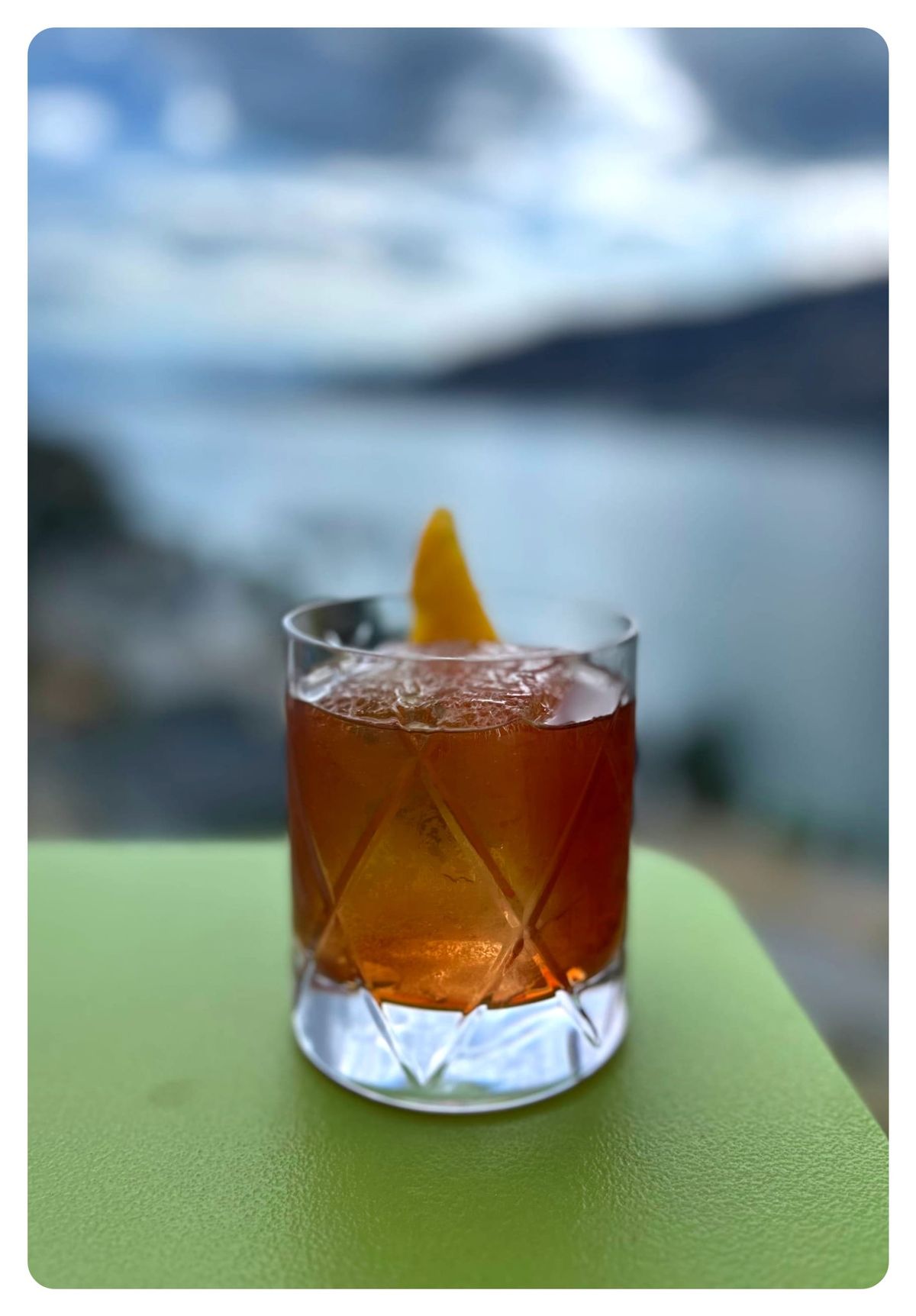
- 1 oz 101-proof bourbon
- 1 oz Crème de pêche
- ¾ oz Amontillado sherry
- 1 bsp Absinthe or Pastis
- 1 dsh Angostura bitters
- Stir with ice for 20-30 seconds
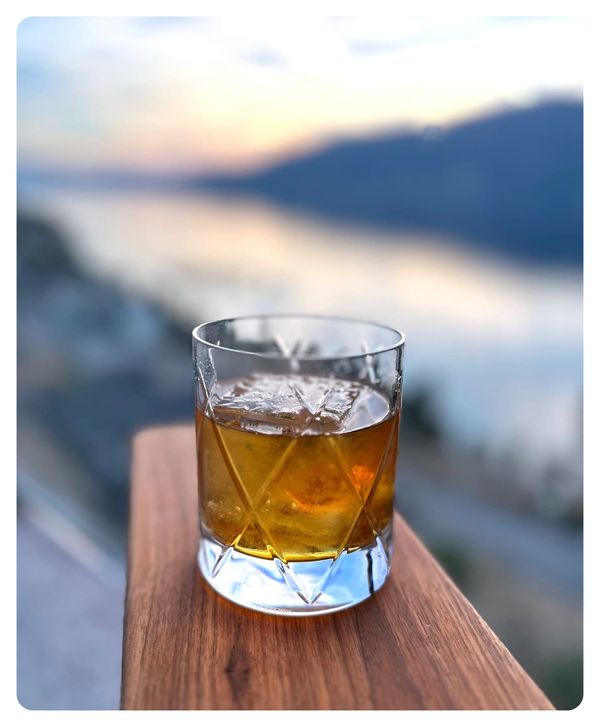
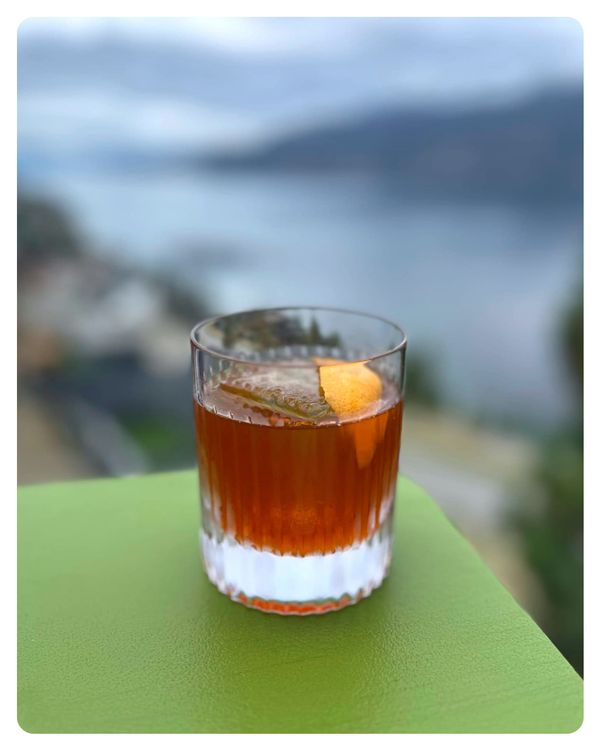
- Strain over a large rock into a chilled Old Fashioned glass
- Garnish with a large orange twist
Happy Friday, friends!
Thanks to the temperate winter we had here in the Okanagan, orchards are starting to pull in their summer fruit early–and that includes peaches.
So with peaches on the brain, may I present the Sore Loser.
This drink comes from Portland legend Jeffrey Morgenthaler, longtime bar manager at Clyde Common during my 20 years in Portland and now co‑owner of Pacific Standard. By his own admission, it’s a riff on La Louisiane, one of my favorite New Orleans cocktails. In La Louisiane, the base spirit, grape modifier, and sweetener show up in equal parts, tied together with a subtle anise rinse. The Sore Loser follows essentially the same blueprint.
The original spec calls for 101‑proof bourbon, with Morgenthaler using Old Ezra 7‑year. The higher proof matters: it needs enough punch to stand up to both crème de pêche and sherry. Otherwise, the whiskey’s character disappears behind those sweeter, lower‑ABV components. My first attempt used a 100‑proof bottled‑in‑bond bourbon, and even that was barely just enough.
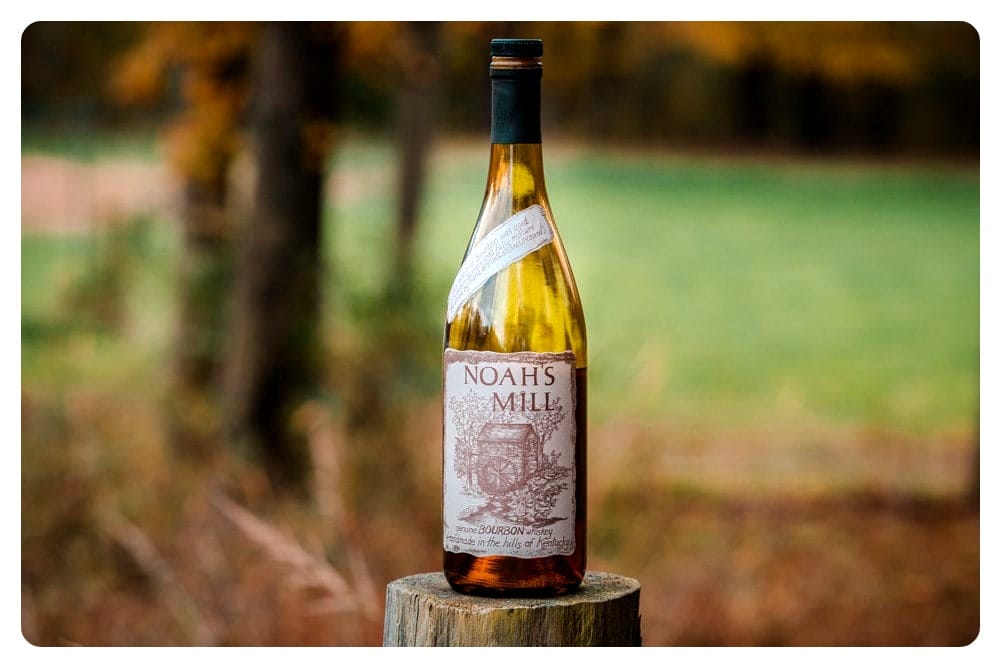
Since I don’t have access to Old Ezra in Canada, I reached for a bottle I brought north with me: Noah’s Mill from Willett Distillery. Noah’s Mill is a robust, small‑batch Kentucky straight bourbon bottled at 114 proof. It’s rich and viscous, with sweet brown sugar, intense cinnamon and baking spices, roasted nuts, and bold charred oak and dark dried fruit. The extra proof means it sometimes needs a bit more stirring to integrate fully and avoid overwhelming the drink with spice.
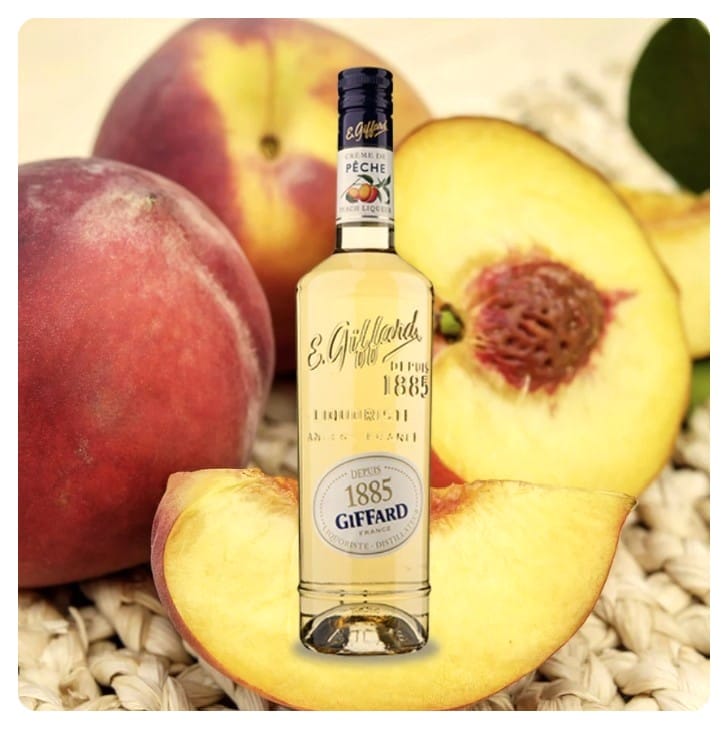
For the crème de pêche, I went straight to my go‑to: Giffard. Their Crème de Pêche is a French liqueur built on an infusion of fresh peaches. The flavor is silky and vivid, very close to biting into a ripe peach: sweet, juicy flesh, bright lemony lift, and subtle stone‑fruit/almond undertones that hint at the pit.
As we talked about in the Trident, Flavor Notes is not just a vehicle for my Canadian immigrant experience; it’s also my ongoing education in all things sherry. The Sore Loser is no exception, calling for three-quarter ounce of Amontillado sherry. Amontillado sits on the drier side of the sherry spectrum, surpassed only by Manzanilla and Fino for dryness.
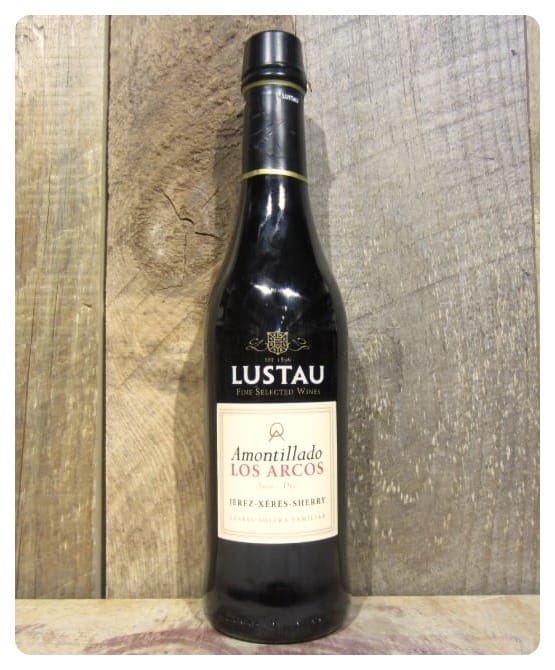
Here I used Lustau’s Amontillado Los Arcos–a dual‑aged wine that starts life under flor as a delicate Fino before transitioning to oxidative aging. The result is a medium‑bodied, rounded sherry that balances a dry, salty core with flavors of marzipan, toffee, baking spice, and subtle dry wood and tobacco. It gives the Sore Loser both structure and nuance.
The barspoon of absinthe or pastis serves two roles: it nods to the La Louisiane template, and it contributes quietly to the “stone” side of the peach.
Before tasting this, I wouldn’t have instinctively paired those two flavors. Now I’m convinced they belong together.
In any good stone‑fruit liqueur, you get the bright fruit–as we do here with the crème de pêche–but also the pit: almond‑like warmth with a touch of bitterness that underpins the fruit. Anise spirits (absinthe, pastis, ouzo, sambuca) bring licorice‑spice warmth, an aromatic lift that accents the fruit without dominating it, and a gentle bitterness to keep the sweetness in check.
From a flavor‑chemistry perspective, stone‑fruit pits and anise live in neighboring flavor families. This Sore Loser makes that connection obvious.
The large orange twist throws out bright oils on the nose, resting over a foundation of ripe peach and subtle anise that waits just behind it for your first sip. That first sip is a big bite of juicy peach, threaded with sweet licorice and the bourbon’s caramel‑spice warmth, wrapped around the nutty Amontillado sherry. As it moves across the mid‑palate, the caramel and grape‑peach fusion deepen, with marzipan and toffee from the sherry leaning into the fruit and briefly echoing a touch of cherry, giving the drink weight and depth. On the finish, the stone‑fruit notes—bitter almond, aromatic anise, Angostura’s spice, and proofy baking spices—arrive together, delivering a long, semi‑bitter close that feels equal parts summer orchard and seasoned competitor, inviting another sip and another moment of consideration.
With peaches coming into season, the Sore Loser is exactly the kind of glass I want in hand: robust, layered, and just a bit reflective.
Beyond being a lovely cocktail, the Sore Loser also happens to explain the past week in the 2026 FIFA Men’s World Cup.
Honestly, it was hard to pick just one drink to represent this stretch.
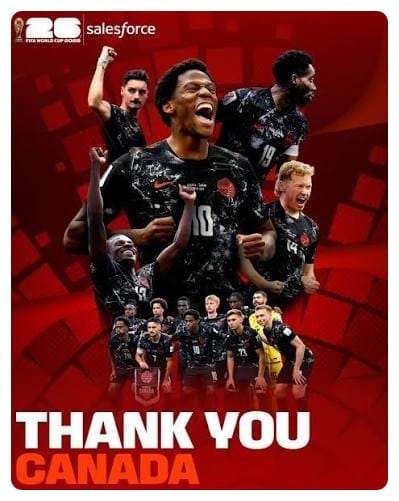
On one hand, I wanted something that celebrated the historic run of the Canadian Men’s National Team. Their milestones were incredible:
- Their first ever men’s World Cup victory, a 6–0 win over Qatar, the prior hosts.
- Progression from the group stage to the Round of 32, where they earned a second win—1–0 against South Africa—to reach the Round of 16.
- A massive spike in attention at home: a peak of 11.7 million unique viewers for that Round of 32 match, setting a Canadian record for a non‑final World Cup broadcast.
- Toronto and especially Vancouver earning global praise for their hosting—transit, atmosphere, and fan experience all getting high marks.
If there’s one bright, shining takeaway from this World Cup for me, it’s how Canada showed up and exceeded expectations.
But this tournament is richer–and messier–than just that.
We’re watching an entire generation of stars transition:
- Cristiano Ronaldo, at 41, couldn’t carry Portugal past their neighbors Spain in the Round of 16.
- Luka Modrić, at 40, wasn’t able to push Croatia past England, though their match was riveting.
- Lionel Messi, at 39, nearly saw Argentina slip against Egypt until the last minutes.
At the same time, players in their prime or just entering it are defining the present:
- Harry Kane and Jude Bellingham lifted England past World Cup co‑hosts Mexico in one of the tournament’s most electric games.
- Kylian Mbappé continues to be a force for France, chasing both a championship and a Golden Boot.
- Erling Haaland is making sure Norway feels more like a Viking saga than a long shot, proving again that Vikings don’t flop.
Unfortunately, this World Cup may be remembered less for its football and more for the degree to which corruption and politics intruded on the sport.
I don’t particularly want to rehash how the American president influenced a red card decision from the stands, or revisit the broader conversation about the president’s behavior on the global stage. I do want to center empathy on the player caught in the crossfire: Folarin Balogun.
He did nothing to deserve becoming collateral damage in a political spectacle between the American head of state and FIFA leadership. Yet he became the focal point of a social‑media firestorm that had nothing to do with his play.
The fallout was enough to knock the U.S. team off balance. Passes were a little late or off‑target. Shots lacked their usual precision. It just wasn’t the same side we saw winning their group earlier in the tournament. Belgium was always a strong opponent, but absent the external drama, it’s hard not to imagine a much tighter match.
As someone who loves sport–soccer, baseball, the summer and winter Olympics–it hurts in a familiar way when politics disrupts competition. My earliest memory of this was the U.S. boycotting the 1980 Moscow Olympics, the first Games I remember watching. It left an imprint.
So, with this Sore Loser in hand, I toast the Canadian Men’s National Team and Canada’s success as hosts, while also recognizing that this World Cup will be shadowed by episodes where political interference overshadowed the play itself.
May the 2027 Women’s World Cup in Brazil be free of that kind of interference—and from flopping.
Cheers! 🥃⚽🍁