Post Melon
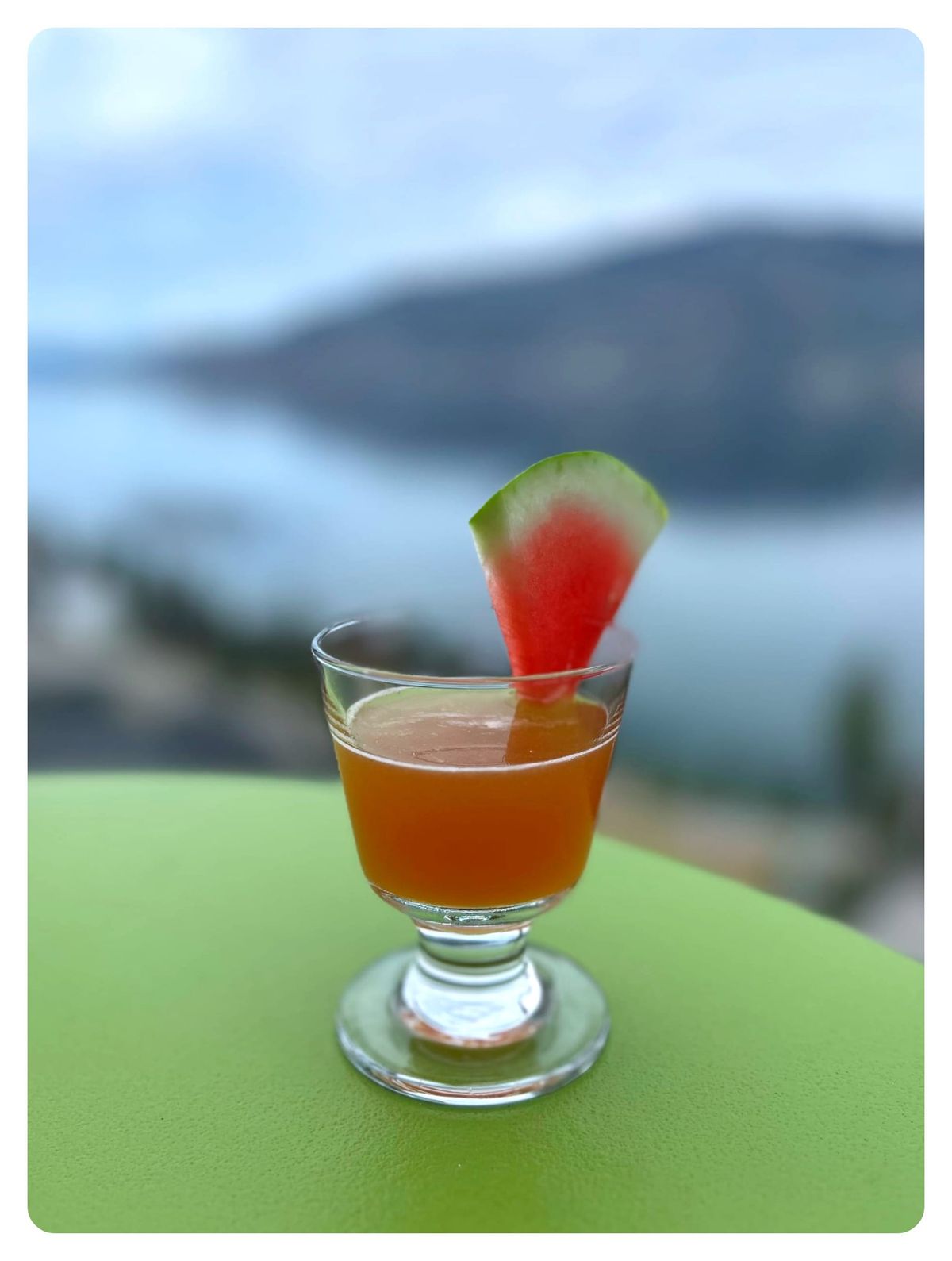
- 1 1⁄2 oz Havana Club Añejo 7 Años Cuban Rum
- 1⁄4 oz Fernet-Branca amaro
- 1⁄3 oz Watermelon sugar syrup
- 1⁄2 oz Lime juice
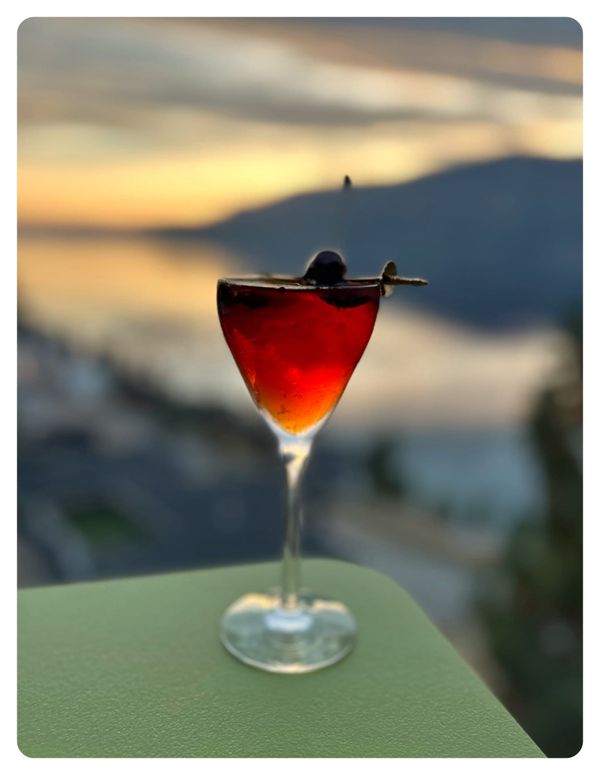
- Shake with ice for 20-30 seconds, strain into a chilled Nick & Nora glass
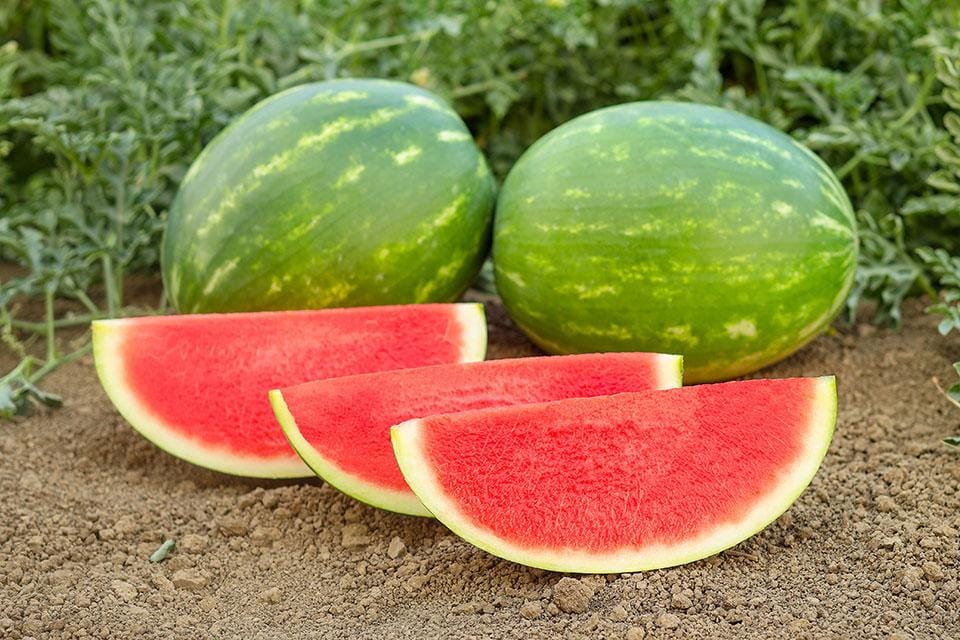
- Garnish with a watermelon wedge
Happy Friday, friends!
Inspiration comes from all around. In late spring here in the Okanagan, this week’s cocktail was inspired by a large wedge of watermelon in the refrigerator that needed to be eaten–or otherwise used. I decided to turn the remaining fruit into a watermelon sugar syrup for cocktails and went looking for something that would do it justice.
Say hello to the Post Melon–it helps if you add a French accent on “Melon.” Created by the bartenders at Penny in Cardiff, Wales (cheers to our cousins in and around Cardiff!), this cocktail has already won the praise of the fellas here in Kelowna during my monthly Movie Night.
As someone who is always looking for a bitter counterweight to any cocktail sweetness, I loved the specs. This is a Daiquiri‑style cocktail made drier by using Fernet‑Branca to balance the sweetness of both the watermelon syrup and the Cuban rum. On paper, it read like an equation that would pay dividends.
My suspicions were correct.
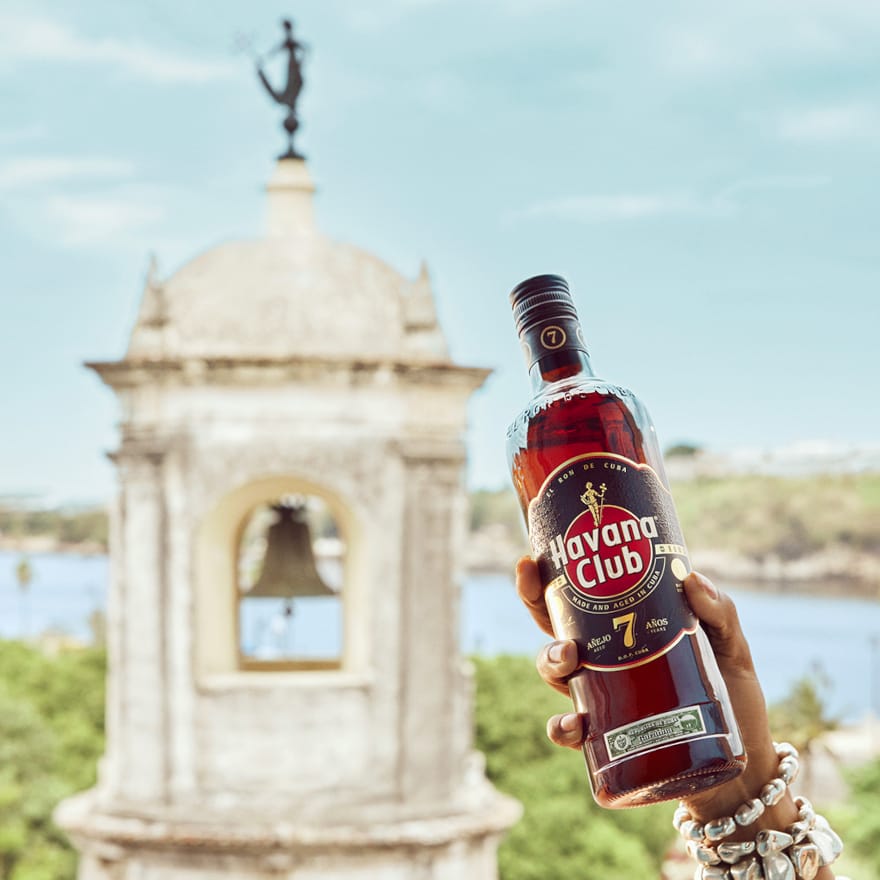
We start with a base of Havana Club 7 Años, which makes for a subtly sweet, structured cocktail. Havana Club was one of the rums we tasted during our Kelowna Newcomers Club Cocktails & Spirits tasting event a few months back, and I’ll always keep a bottle of this seven‑year in my home bar. Aged in ex‑bourbon barrels, Havana Club 7 Años captures Cuba’s terroir with a smooth profile of sweet molasses, rich tobacco, aromatic oak spice, and dark tropical fruits. It provides a balanced, mature foundation for this drink.
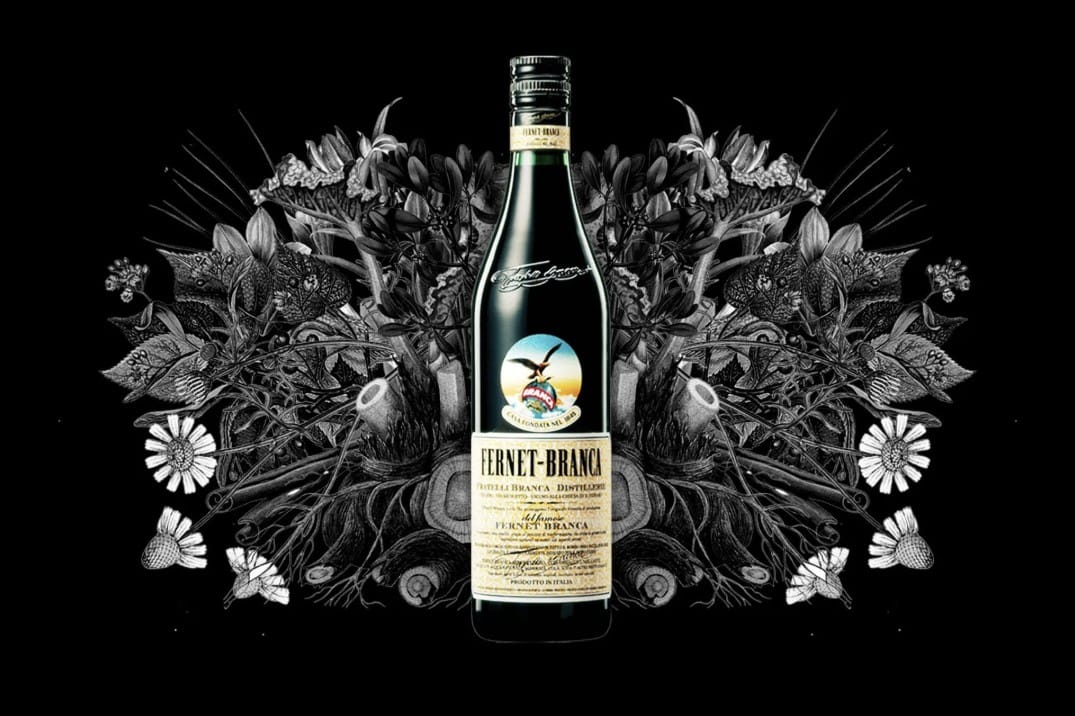
The sweet molasses of the rum is counterbalanced by a small proportion of Fernet‑Branca. You may remember Fernet from its use in the Toronto, published during last year’s Toronto Blue Jays postseason run. Known for its supposed medicinal applications during Prohibition, its intensely bitter, mint‑and‑herb profile developed a cult following that persists today–hence the “bartender’s handshake” tradition of sharing a shot among those in the know.
All that remains is the watermelon sugar syrup and lime juice. I increased the watermelon syrup slightly from the original spec—from ¼ oz up to ⅓ oz. Watermelon is such a subtle flavor that I wanted to make sure it had a fighting chance against both the Fernet and the fresh lime.
Once you move the watermelon wedge garnish out of the way–otherwise you’ll poke your eye out, kid–the first sip greets your tongue with a swirl of minty herbaceousness, lime, and a whisper of watermelon, confirming that this is going to be a very pleasant sipper. The faint sweet rum notes of oak spice and rich tobacco provide structure as the sip moves across the mid‑palate. Finally, the bitterness of the Fernet and the sourness of the lime join hands on the finish, reminding you that this is essentially a dry Daiquiri in disguise, leaving you anticipating the summer sun that usually accompanies such tropical cocktails.
With summer bearing down, there’s still time to enjoy this seasonal spring riff on a Daiquiri–made drier by the bitter herbal notes of Fernet‑Branca–while still teasing a quintessential summer fruit: watermelon.
Some insight into me: I love music. Music has been the soundtrack of my life as long as I can remember. So upon moving to Kelowna, one of my first tasks was to get a sense of the music scene here in Kelowna, British Columbia, and all of Canada.
So as I sip this Post Melon and chuckle at the music artist the pun points to, I’m reminded of a recent discovery since moving to Canada:
There’s so much Canadian popular music that–listening from the U.S.–I never realized was Canadian.
Of course, I always knew that Rush, Bryan Adams, The Tragically Hip, Sarah McLachlan, Alanis Morissette, Rufus Wainwright, and Barenaked Ladies were Canadian. That canon is hard to miss.
But over the last 20 years, there have been plenty of artists I knew without ever clocking their nationality. You may have noticed that I like to finish these weekly posts with a song from a popular band. In showcasing everything Canadian–from my little corner of British Columbia–I’ve been searching out contemporary Canadian acts. It’s opened up a whole new world of bands I already knew but didn’t realize were Canadian, as well as entirely new‑to‑me groups.
It’s been lovely.
This happy hour, I’m sharing a few with you.
The first band I want to highlight is one I was already familiar with, though not familiar enough to realize they were Canadian: Metric, who hail from Toronto.
I first really noticed Metric with their fourth studio album, Fantasies, which is stacked with hits. No surprise there–it’s their most commercially successful and critically acclaimed album, selling over half a million copies worldwide and earning them Group of the Year and Alternative Album of the Year at the 2010 Juno Awards.
I’m particularly fond of “Help I’m Alive,” which I was tasked with learning on bass for my third season in Portland’s School of Rock adult program that my wife and I attended. It’s a fantastic song for a driving, melodic bass line, and it’s stayed in my fingers ever since.
Metric was founded in Toronto in 1998 by vocalist Emily Haines and guitarist James Shaw. The two met at Toronto’s historic Horseshoe Tavern in 1997, bonded over a mutual dislike of the local music scene, and began writing together. They bounced between New York City, Brooklyn, Montreal, and London before returning to Toronto with an expanded lineup and their first album in the works.
It’s been a pleasure to rediscover them here in Canada, and to dig into the albums I’d mostly missed the first time around.
Next up: Arcade Fire.
For whatever reason, while I recognized many of their songs, nothing initially grabbed me enough to make me stand up and take notice. To be fair, they broke through in 2004–the same year my young family was busy with job interviews, city research, and logistics for our move from the Maryland suburbs of Washington DC to Portland, Oregon. We may have been a little distracted.
Arcade Fire took root in Montreal in 2001, when Texas‑born Win Butler met Quebec‑raised Régine Chassagne while both were studying at McGill University. Fueled by the city’s affordable, bohemian arts scene and tight‑knit creative community, they formed the band with a rotating cast of early collaborators.
By August 2003, they were recording their debut album, Funeral, at the legendary Hotel2Tango studio in Montreal. The POP Montreal festival played an important role in championing them early on. The critical success of Funeral in 2004 didn’t just launch Arcade Fire to global indie‑rock stardom; it also helped cement Montreal’s reputation as a world‑class hub for contemporary music.
And finally, a band I did know was Canadian even before we moved here: The Beaches.
I first discovered one of their EPs on Apple iTunes. They had a punchy pop‑punk sound that my wife and I both enjoy–reminding me a bit of The Regrettes. Ever since the Go‑Go’s set the framework for me, I’ve had a soft spot for all‑female bands, and The Beaches carry that torch with swagger.
Formed in Toronto in 2013 by friends who grew up together in the lakeside neighborhood The Beach, they released two independent EPs–The Beaches (2013) and Heights (2014)–that caught the attention of Universal Music Canada. After signing with Universal, they released their debut full‑length album, Late Show (2017), which earned them the 2018 Juno Award for Breakthrough Group of the Year.
Since then, they’ve grown into one of Canada’s biggest rock acts, winning Group of the Year at successive Juno Awards. The latest singles from No Hard Feelings–tracks like “Did I Say Too Much,” “Last Girls at the Party,” and “Jocelyn”–are some of their most confident work yet.
Plus, I love that the lead vocalist is also the bassist. 🎸
And that’s just the start. My journey of discovery is still unfolding—finding bands like Alvvays, The Weather Station, and Men I Trust has been a joy. I’m also looking forward to seeing Wintersleep when they come through town next month.
So whether you’re listening to Canadian alt‑rock or something else entirely, I raise this Post Melon to you–and to the music that gives syncopation to our souls as we keep moving along this shared, imperfect, deeply human journey.
Cheers! 🥃🍁🎶