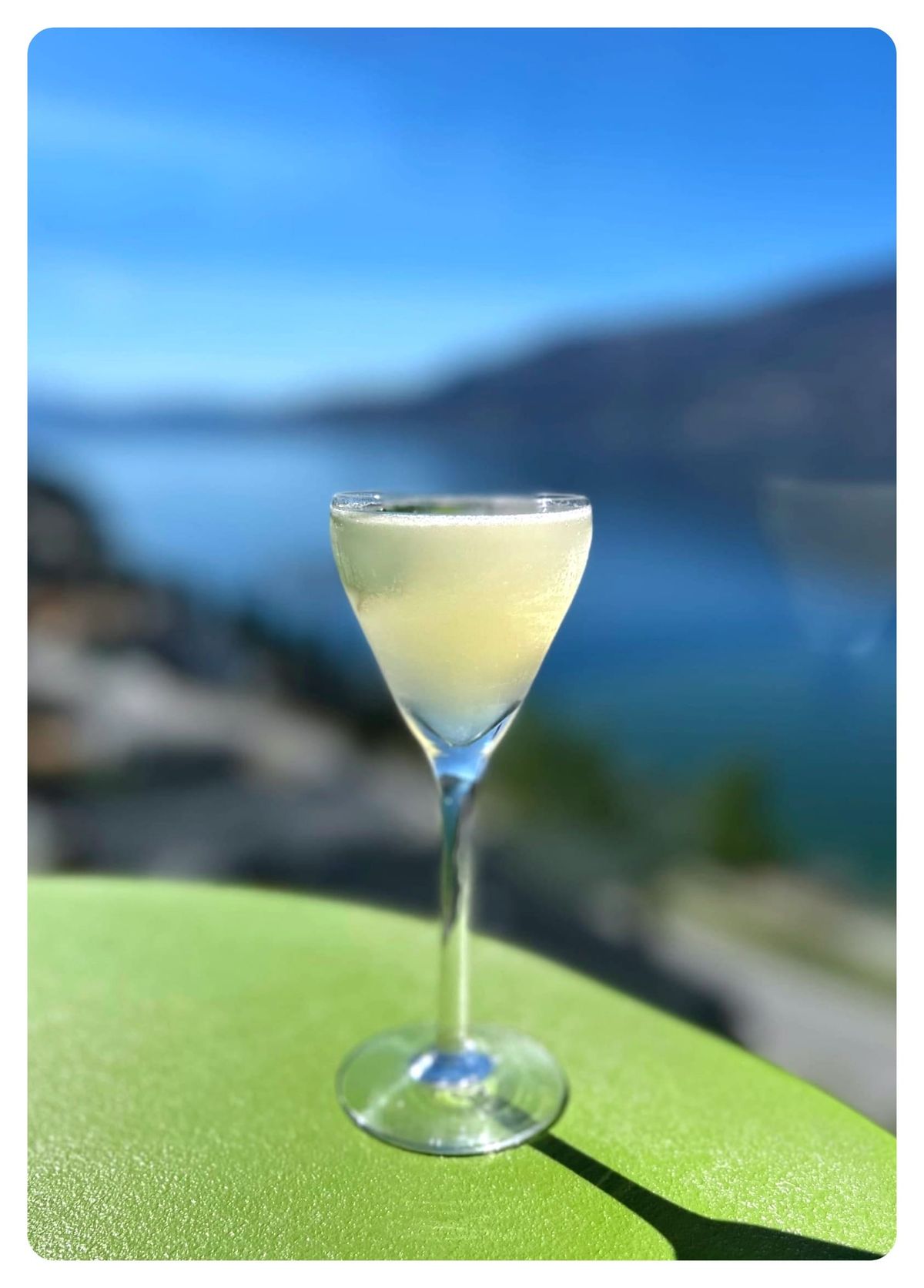
Moon River
- 1 1⁄2 oz London Dry Gin
- 1⁄2 oz Apricot Brandy liqueur
- 1⁄2 oz Triple Sec
- 1⁄4 oz Galliano L'Autentico liqueur (or substitute)
- 1⁄2 oz Lemon juice (freshly squeezed)
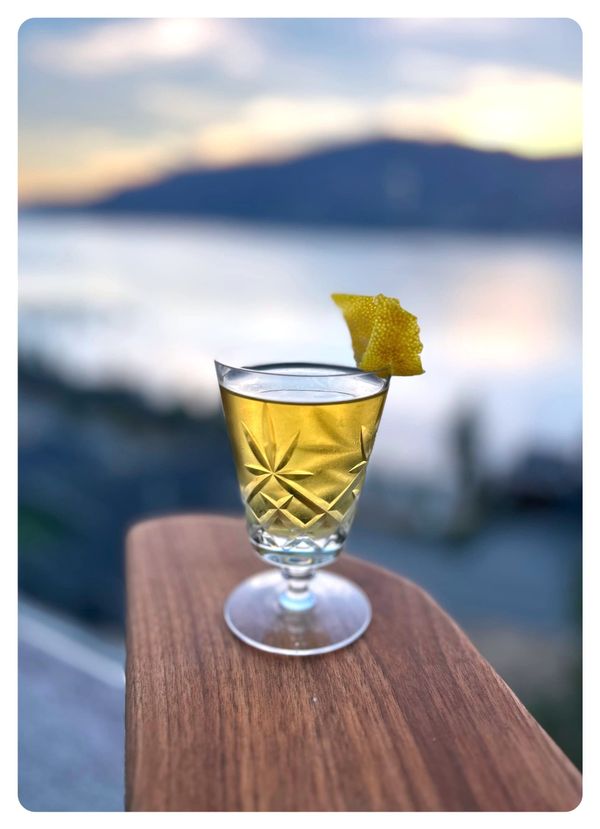
- Shake with ice for 20-30 seconds, strain into a Martini glass or coupe
- Garnish with a mint leaf
Happy Friday, friends!
As we move deeper into spring and further away from winter, the call for brighter, more citrus-forward cocktails grows louder. The darker, contemplative sippers of the colder months begin to give way to something more vibrant, more expressive.
So without further ado, I present the Moon River.
This version comes via Difford's Guide, itself a variation on a cocktail reportedly originating in Singapore. Whether that original was the simpler equal-parts combination of gin and apricot brandy that tends to surface in a quick search is unclear, but like many cocktails, evolution is part of the story.
Structurally, you could argue this sits somewhere between a daisy and a Last Word-style riff. It doesn’t follow the equal-parts discipline of the latter, instead stepping down in proportion from base spirit to liqueurs to citrus. At the same time, it leans into the daisy tradition—spirit, citrus, and liqueur sweetener–though here we stretch that definition with three separate liqueurs working in concert.
However you categorize it, what matters is the result.
I’ve always had an affinity for apricot brandy liqueur—I used it previously in the Fintry Old Fashioned–and I’ve come to appreciate how well a touch of anise can play against fresh citrus. This cocktail leans into both.
Difford’s recipe calls for Hayman’s London Dry Gin. Not having that on hand, I reached for Beefeater–a reliable backbone of classic London Dry botanicals. Juniper, citrus peel, and subtle spice provide the structure needed to support the sweeter elements without getting lost.
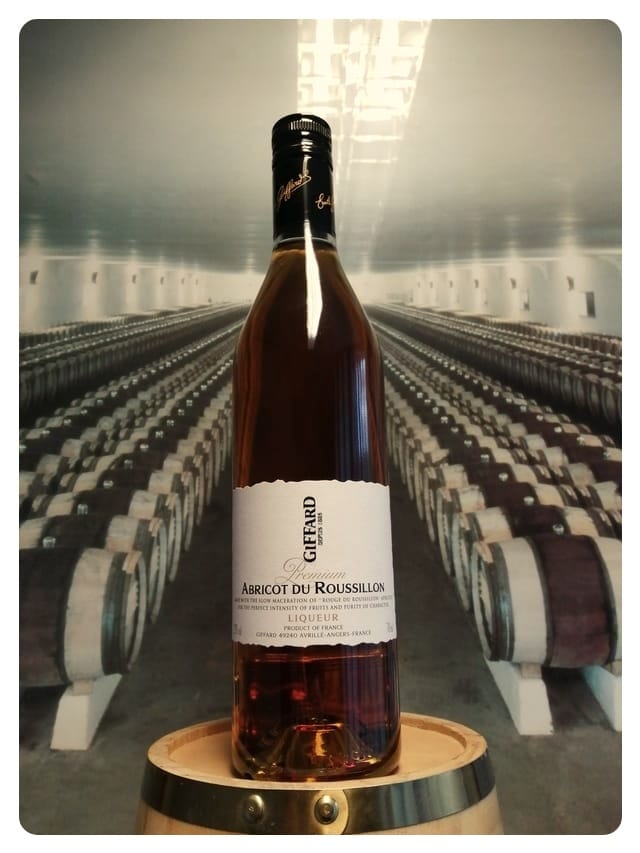
For the apricot liqueur, I used Giffard Abricot du Roussillon, which brings a beautifully fresh, slightly jammy apricot character. Made from macerated Rouge du Roussillon apricots, it layers stone fruit richness with notes of almond, vanilla, and a subtle acidity that keeps it from becoming cloying.
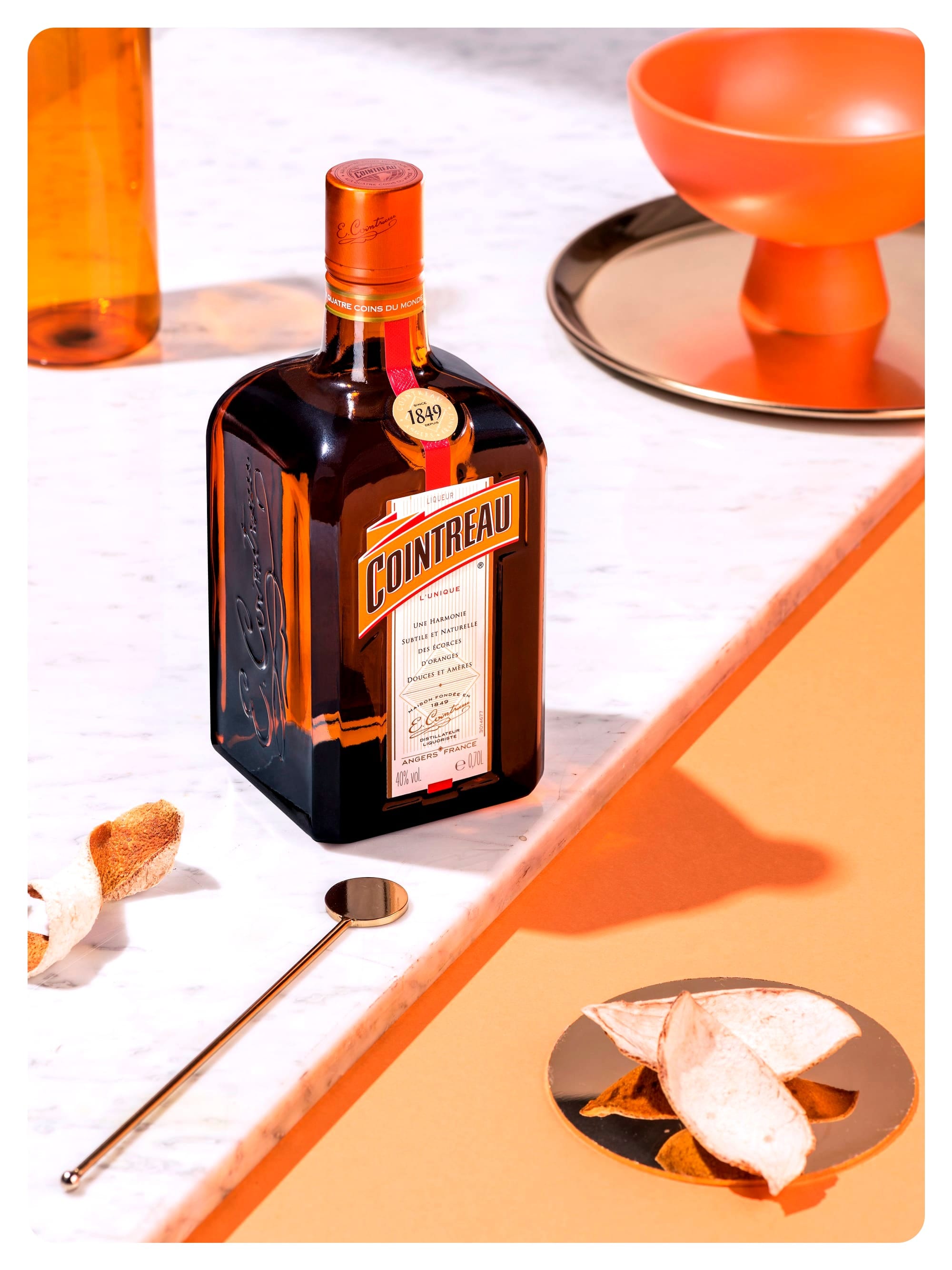
For the triple sec, Cointreau does exactly what you want it to do–clean, bright orange flavor that balances sweetness with a touch of bitterness, helping to bridge the gap between fruit and citrus.
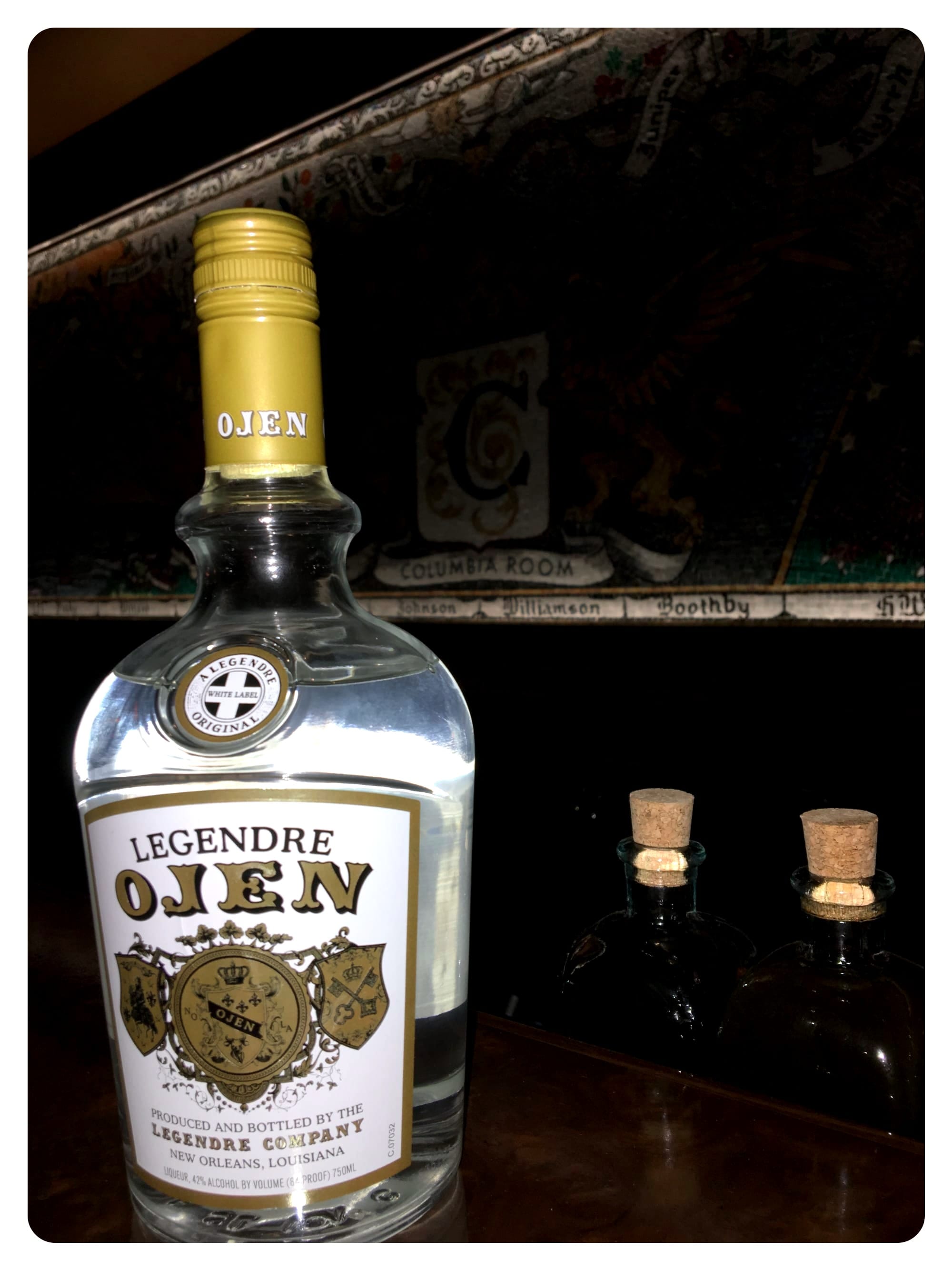
The one curveball here was Galliano L’Autentico, which remains elusive on shelves in my part of British Columbia. While Galliano’s vanilla and espresso expressions are readily available, the original–known for its blend of vanilla, star anise, and warm herbal spice–has proven harder to track down.
So I improvised.
In its place, I used Legendre Ojén, a sweet anise-flavored liqueur with roots in Spain and a modern revival in New Orleans. Known for its licorice-forward profile and softer, sweeter take on absinthe-like flavors, it proved to be a very capable substitute, especially at just a quarter ounce, where it adds intrigue without overpowering the drink.
On the nose, mint, lemon, and a whisper of anise rise together–an aromatic invitation. The first sip launches with bright lemon at the front of the palate, quickly joined by apricot and orange. The anise follows close behind, adding depth to the sweetness.
As the cocktail settles into mid-palate, the gin’s botanical structure comes into focus–juniper and citrus peel anchoring the experience–before the finish brings things full circle, with lemon bitterness and anise intertwining on the back end.
It’s a cocktail of balance and contrast–bright yet grounded, familiar yet just a bit unexpected.
And, perhaps most importantly, one that rewards slow sipping under an open, starry sky.
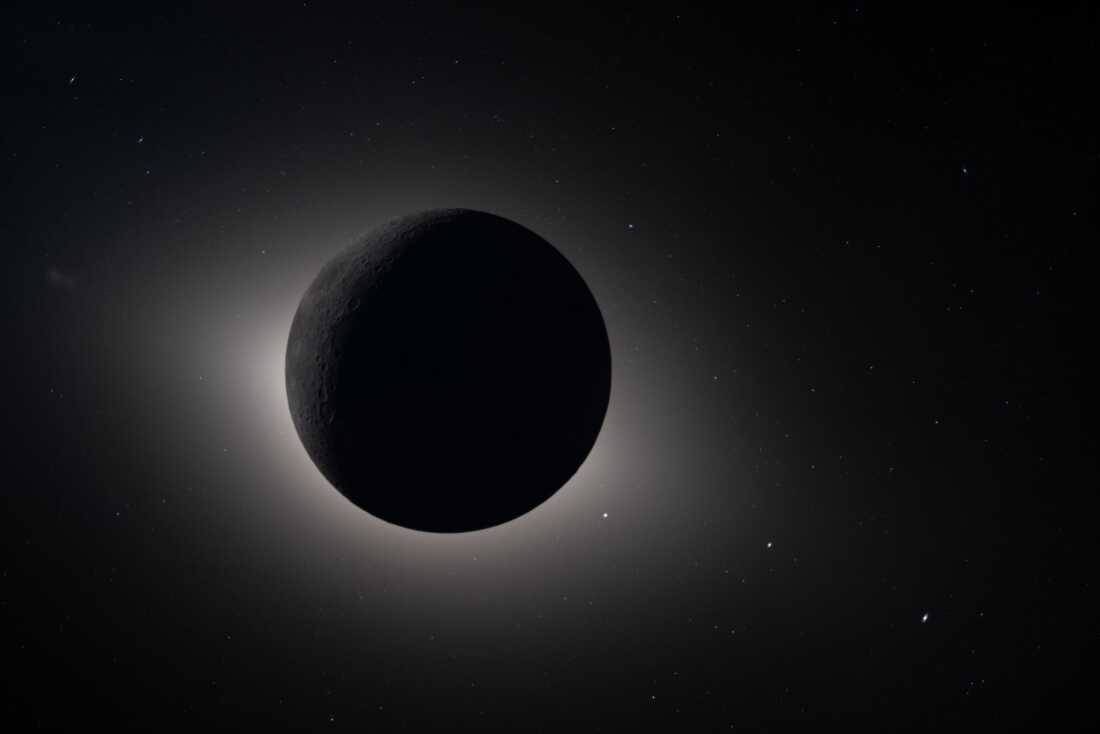
I share this cocktail this week in particular as a salute to the Artemis II mission–NASA’s crewed flight currently making progress around the moon, designed to lay the groundwork for future exploration.
There are a few reasons this resonates with me.
First, I’ll admit: there’s a degree of cognitive dissonance in watching something like Artemis unfold in the current moment. With so many institutions and industries experiencing disruption–some quite close to home–it’s striking to see a program of this scale and ambition continue forward. Perhaps that’s a testament to its long-term vision. Or perhaps it’s something else entirely.
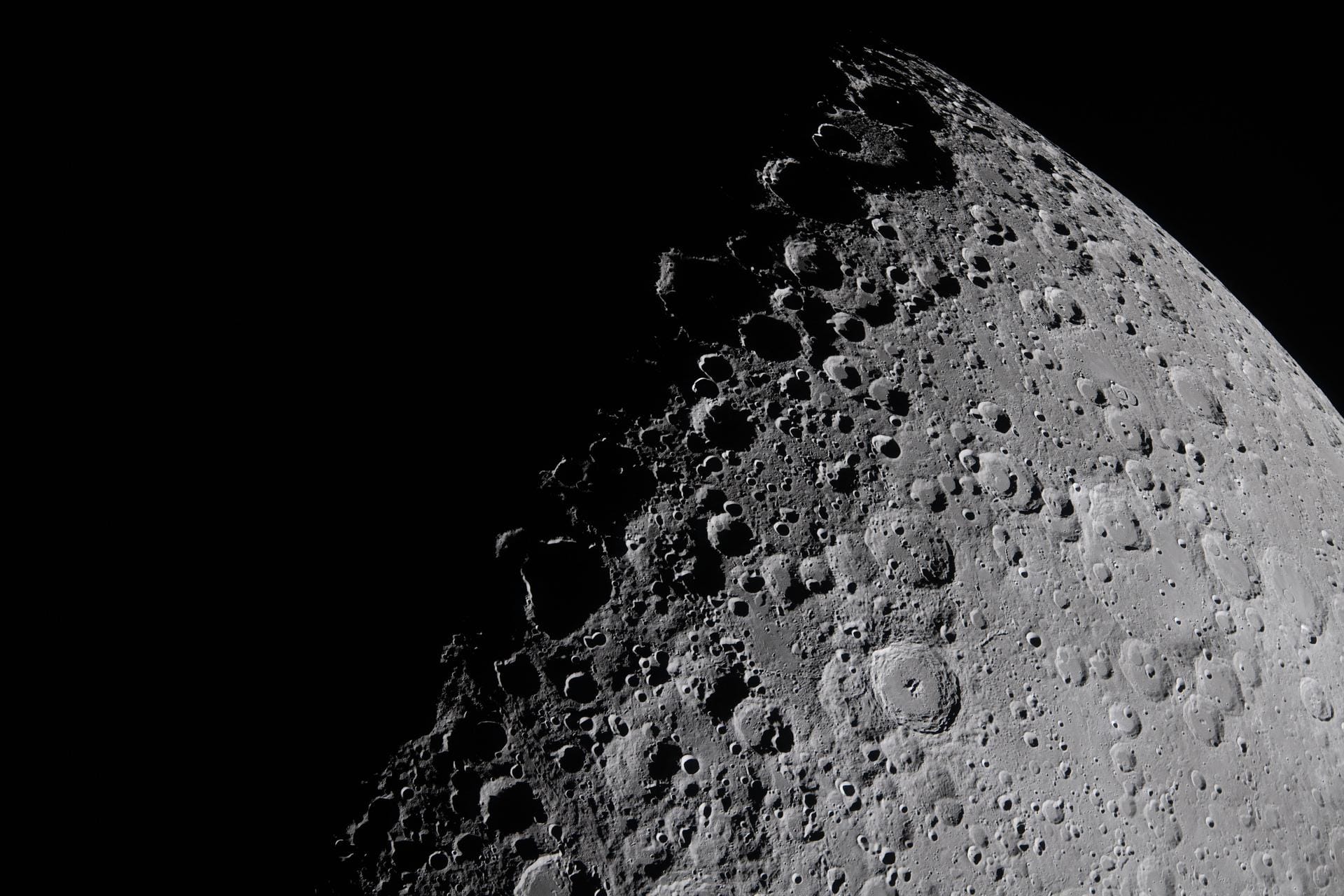
Second, it reminded me how long it’s been since I’ve truly paid attention to spaceflight.
Somewhere along the line, the Space Shuttle era quietly gave way to a return to rocket-based launches. And while that shift has been years in the making, seeing it again–capsule atop rocket–triggered something deeper.
Because for many of us, January 28, 1986 is not just a date in a history book.
The Space Shuttle Challenger disaster happened when I was a freshman in high school. Seventy-three seconds into flight. Seven lives lost. A moment that left an imprint.
So watching Artemis–even in its preparation–comes with a certain tension. A held breath you didn’t realize you still carried.
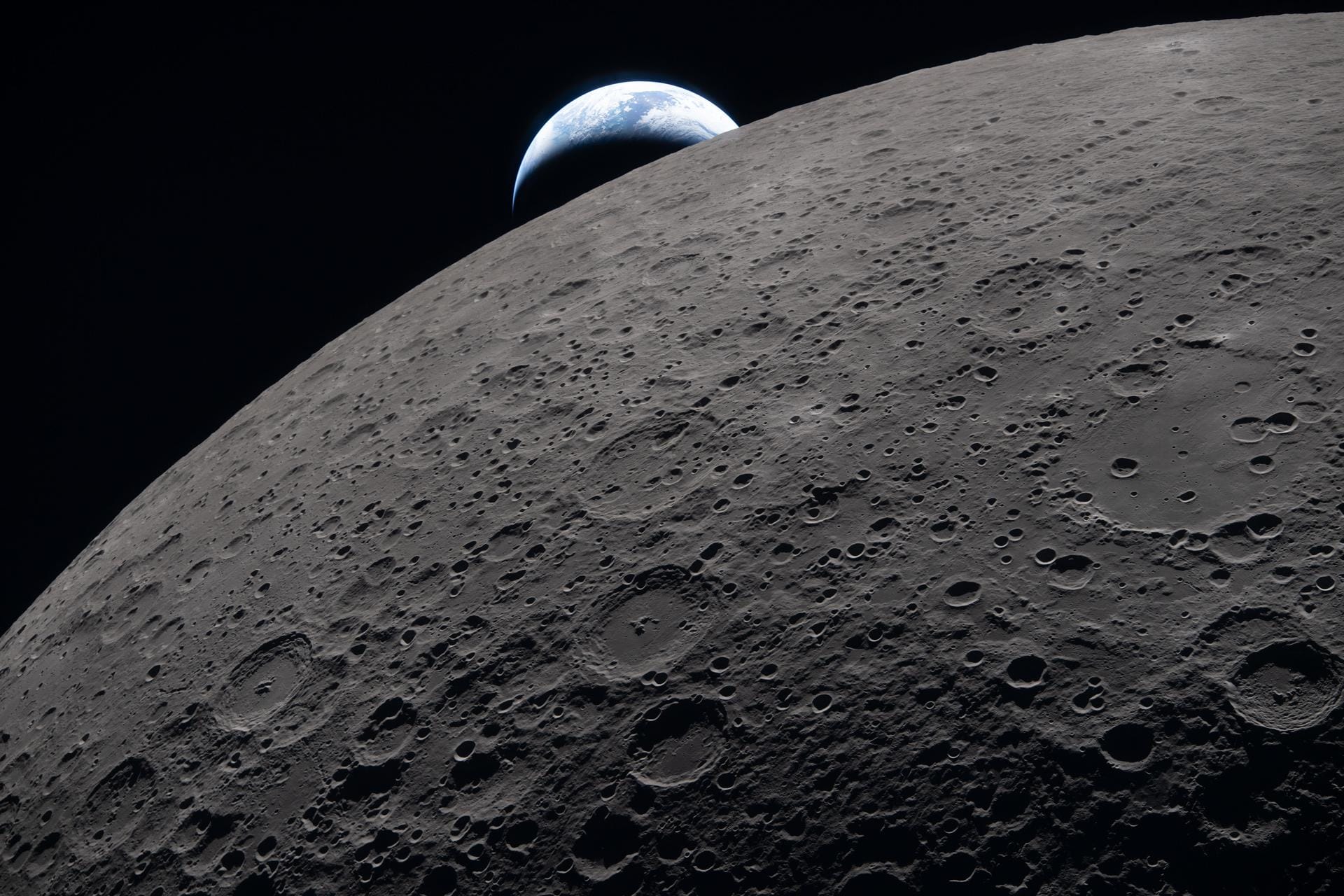
But third–and most importantly–this mission represents something we don’t see enough of anymore: shared ambition.
The inclusion of Jeremy Hansen, representing the Canadian Space Agency alongside NASA, is more than symbolic. It’s a reminder that meaningful collaboration still exists, decades in the making, and that complex, difficult things can still be pursued together.
For those of us who grew up in the shadow of the Apollo missions and the promise articulated by John F. Kennedy, that matters.
“We choose to go to the moon… not because they are easy, but because they are hard, because that goal will serve to organize and measure the best of our energies and skills… ”
That idea–that difficult things are worth doing precisely because they demand our best–feels just as relevant now.
Maybe more so.
Because what Artemis offers isn’t just a mission plan–and hope. Hope that, at rainbow’s end, coming around the bend, these four space drifters will impart perspective.
A reason to look up again.
A reminder that progress isn’t always linear, but it is still possible. That curiosity still matters. That exploration–whether personal or planetary–is still worth pursuing.
And so, with a Moon River in hand, I find myself leaning into that idea of forward motion. Of crossing something vast, uncertain, and beautiful.
After all, there’s such a lot of world to see.
So wherever you are–whatever your “next step” looks like–I raise a glass to you, my Huckleberry friend. Wherever you’re going, I’m going your way, too.
Cheers. 🌙🍸✨