La Lombarda
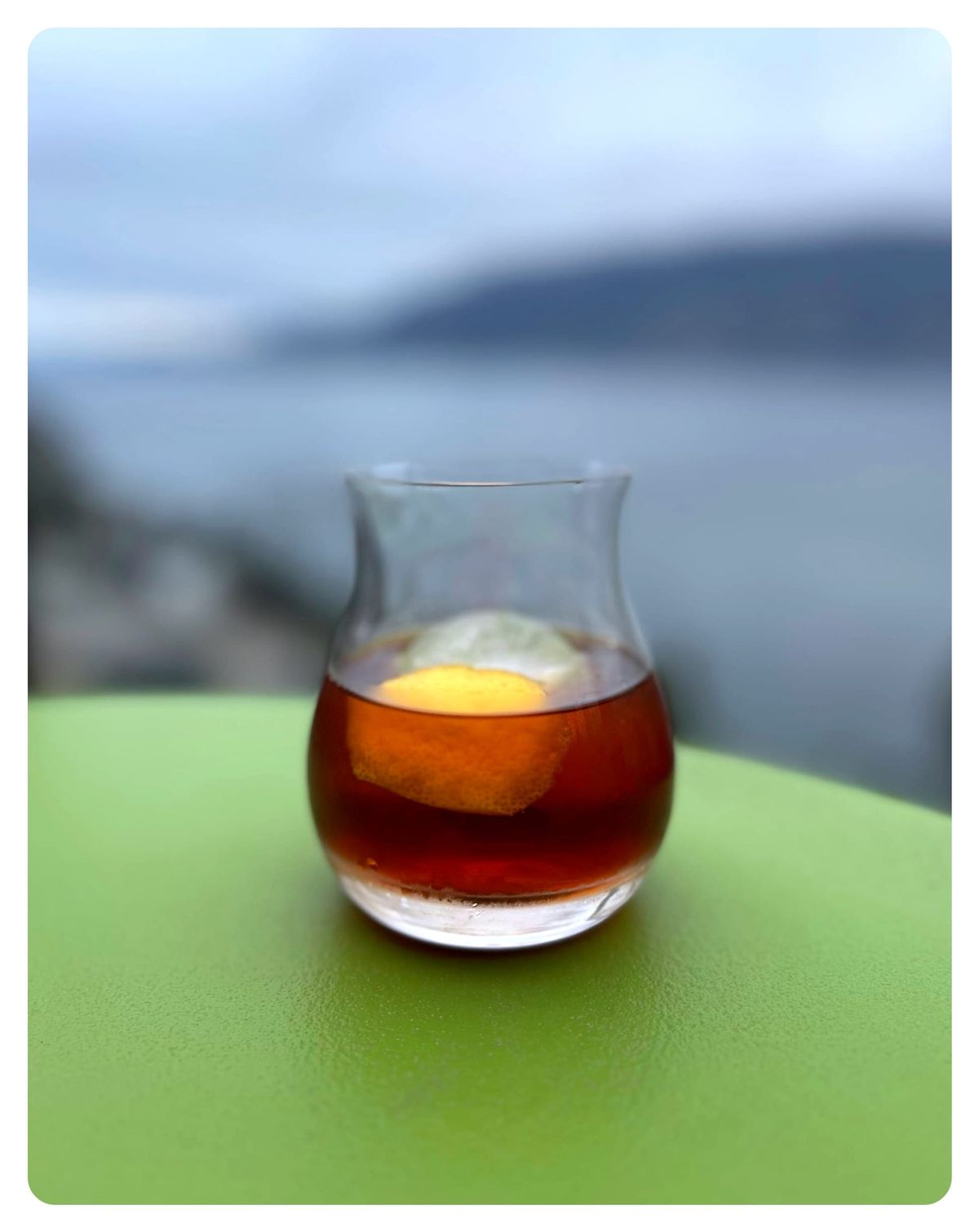
- ¾ oz White rum
- ¾ oz Fernet-Branca
- ¾ oz Yellow Chartreuse
- ¾ oz Amaro Lucano
- 1 dash Chocolate bitters
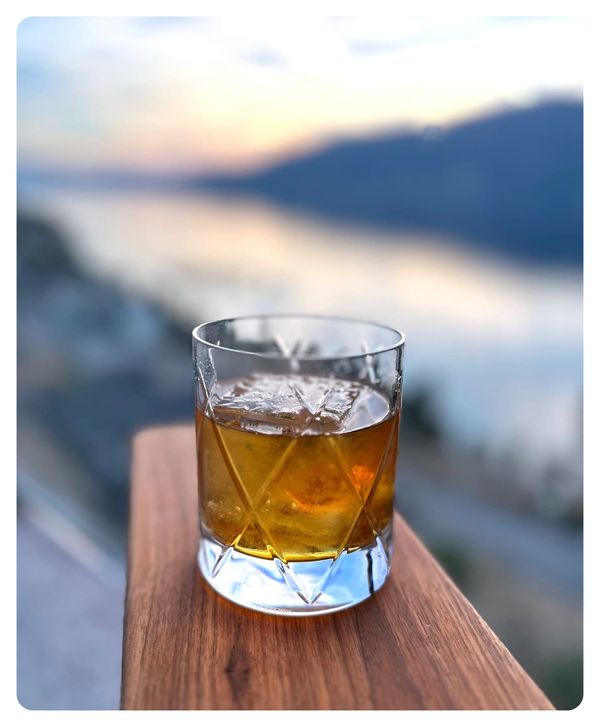
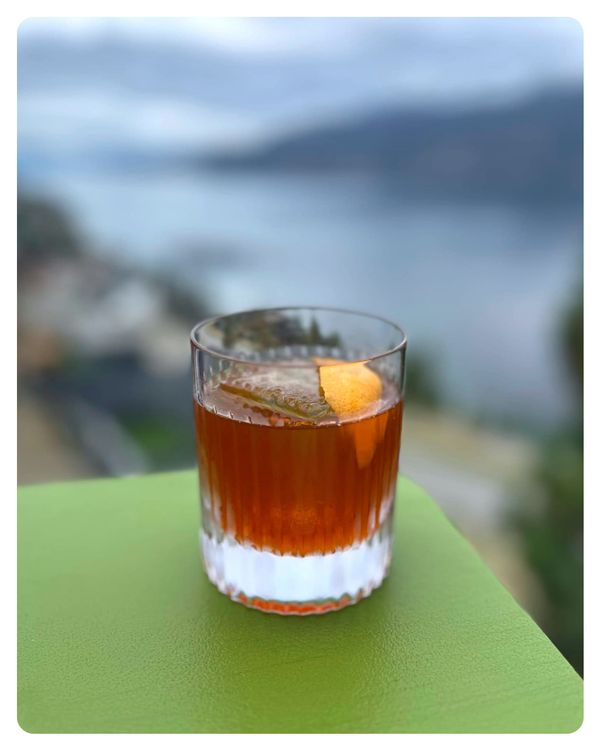
- Stir ingredients in ice for 20-30 seconds, strain over a large rock of ice in an Old Fashioned glass
- Garnish with a lemon twist
Happy Friday, friends!
On the eve of Super Bowl weekend–one of winter’s last great shared rituals–I went looking for a cocktail that could carry the weight of the moment. Something bold. Something layered. Something that felt earned.
In honor of the Lombardi Trophy that will be raised on Sunday night, I offer you La Lombarda.
This recipe comes once again from J. E. Clapham, this time via The Chartreuse Cocktail Book. If you’ve been following along, you already know why Clapham’s work resonates with me: classic structures, unapologetic modifiers, and a confidence that complexity–handled correctly–creates balance rather than chaos.
La Lombarda is a particularly audacious example of that philosophy. It pits a double dose of amaro–Fernet-Branca and Amaro Lucano–against Yellow Chartreuse, anchors it all with white rum, and finishes with a whisper of chocolate bitters. On paper, it reads like a barroom dare. In the glass, it works.
Before we talk about how it drinks, let’s talk about the two ingredients making their Flavor Notes debut: Amaro Lucano and Yellow Chartreuse.
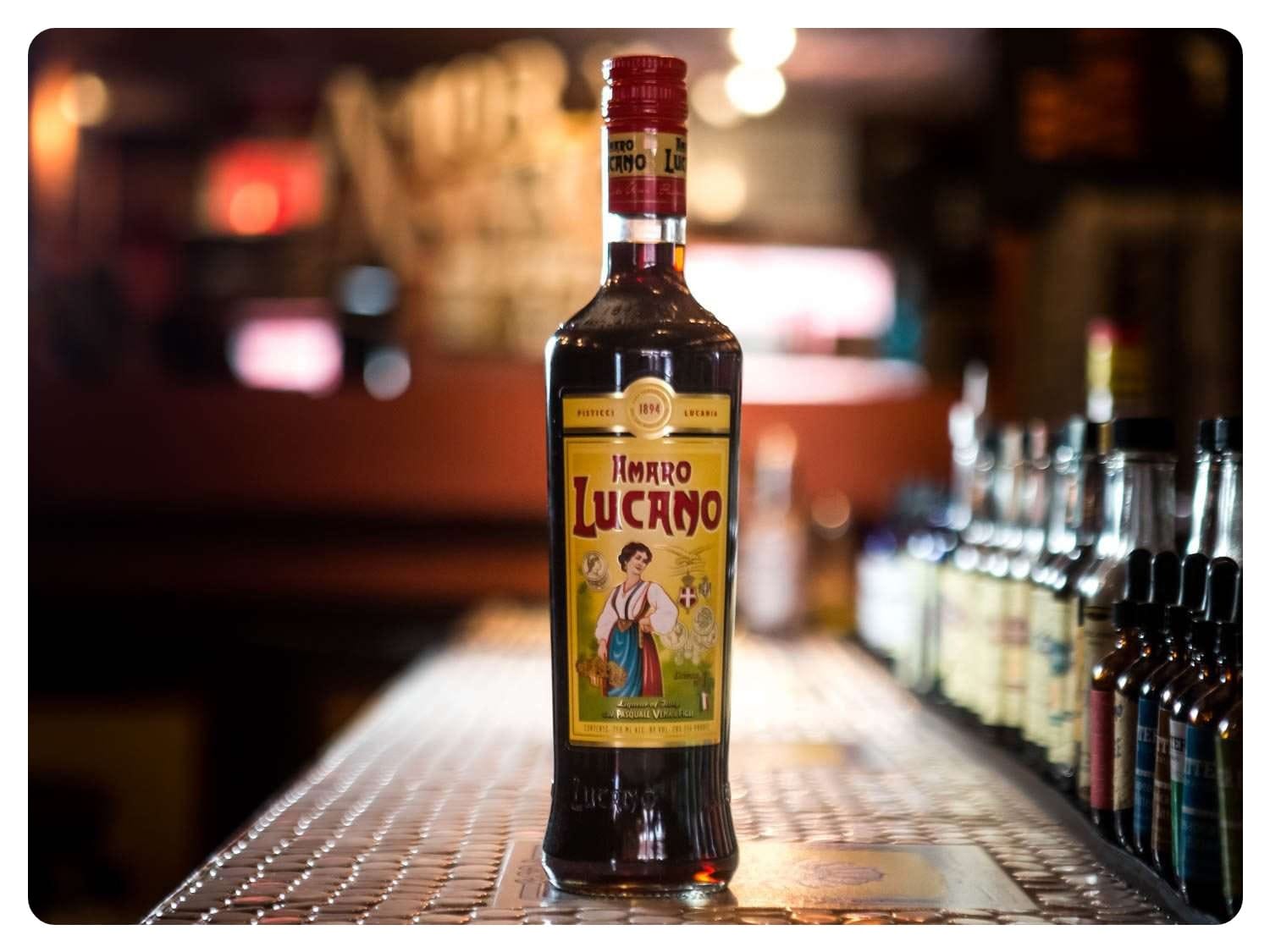
Amaro Lucano is a classic Italian herbal amaro created in 1894 by Pasquale Vena in Pisticci, Basilicata. Its secret recipe reportedly includes more than 30 botanicals–wormwood, gentian, clary sage, angelica, bitter orange, and others–resulting in a profile that’s deeply aromatic yet remarkably even-handed. Where Fernet-Branca is confrontational, Lucano is diplomatic: bittersweet, caramel-leaning, gently herbal, and capable of acting as a stabilizing force in aggressive company.
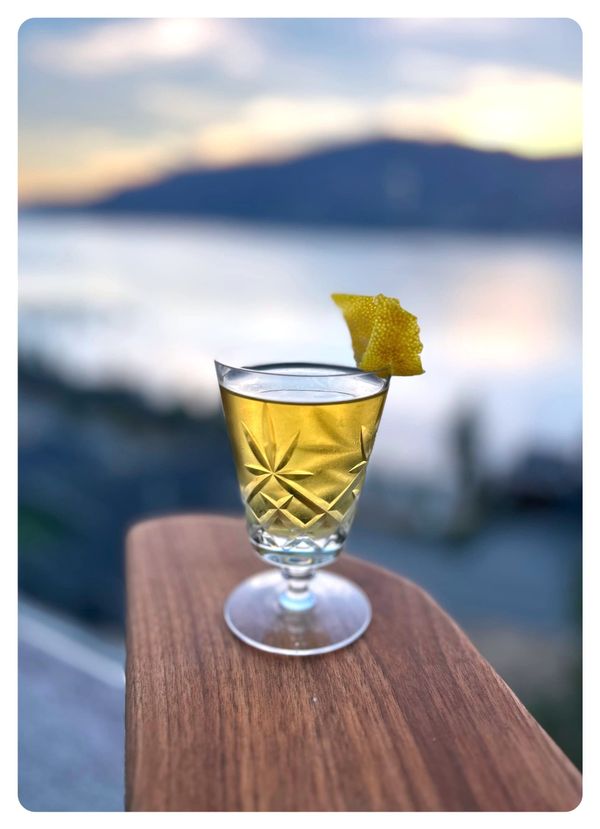
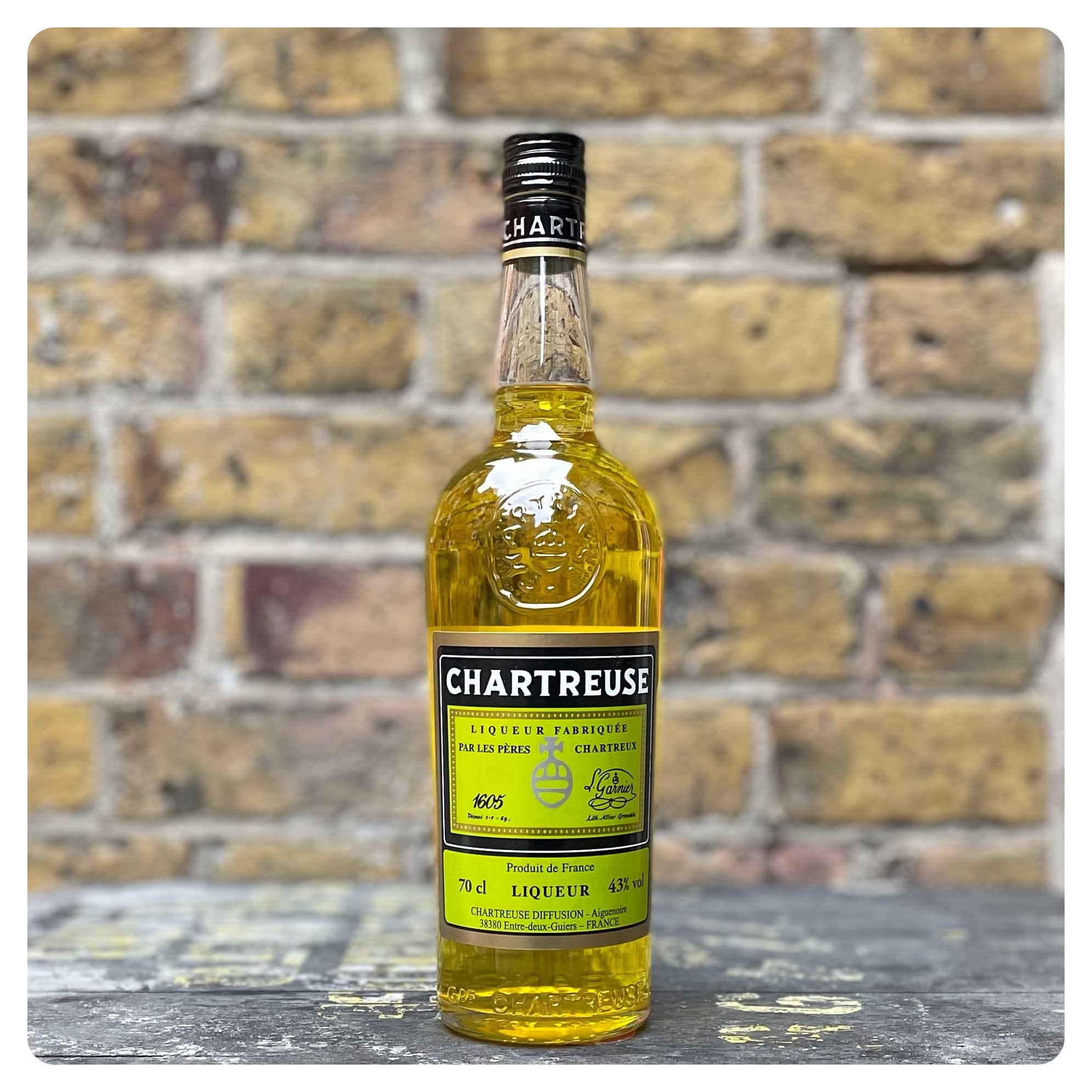
Yellow Chartreuse, by contrast, is historic and luminous. First introduced in 1840 by Carthusian monks, it clocks in at 43% ABV and is made from the same 130 botanicals as its green sibling—but in a softer, sweeter register. Honeyed, floral, gently spiced, with notes of anise, citrus, and saffron, Yellow Chartreuse brings warmth where Green Chartreuse brings electricity. Despite well-documented supply constraints in the U.S., I’ve found both the 700 ml Yellow and the 350 ml Green readily available here in Canada–a small but satisfying perk of life north of the border.
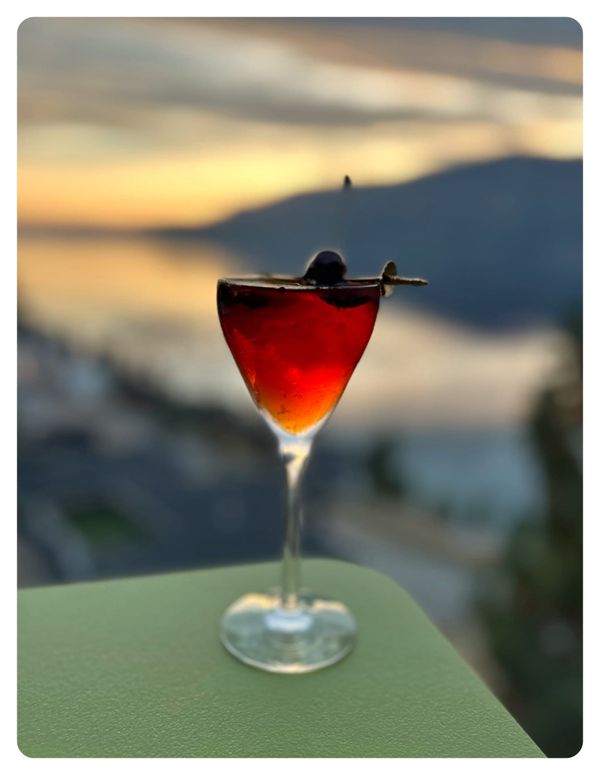
In the glass, La Lombarda opens with lemon oil on the nose, pulling you immediately into a dense aromatic core of caramel, cola, mint, and herbs. The white rum–Havana Club 3-year in my case–provides a quiet sugarcane foundation, letting the modifiers do the talking. The chocolate bitters (Angostura chocolate here) play an unexpected role: they soften Fernet’s sharper edges without muting its identity.
“That’s pretty good,” my wife said–high praise from someone who can usually detect and scowl at Fernet from a mile away.
As the drink moves across the palate, the cola-like sweetness gives way to Fernet’s unmistakable minty bitterness. In the end, nothing quite outshines Fernet-Branca–it simply waits its turn.
A brief aside on rum selection: British Columbia’s white rum shelf is… limited. Bacardi feels too industrial here; Wray & Nephew is fantastic but overpowering for this structure. Havana Club 3-year offered the best balance. That said, I’d love to revisit this with a lightly funky agricole-style white rum—something willing to spar with the amaros and Chartreuse rather than referee them. Next time.
So as you settle in for hours of football–and, let’s be honest, even more hours of music and commercials–I trust La Lombarda makes an ideal companion: rich enough for winter, layered enough to hold your attention, and bracing enough to stay upright through overtime.
Speaking of the Super Bowl: it remains one of the single largest shared viewing experiences in North America. In 2025, global viewership averaged approximately 127.7 million, making it the most-watched annual television broadcast in the United States.
But I’m in Canada now. How does the NFL land here?
Of that global audience, roughly 8.5 million viewers were Canadian, about 7% of the total. That number was down roughly 15% from the year prior, when viewership peaked near 10 million. For context, the Canadian Football League’s Grey Cup–held in November to avoid the worst of winter–also drew approximately 10 million Canadian viewers, an 11% year-over-year increase.
Put simply: about one-quarter of Canada’s adult population tunes in for championship football, regardless of which league is playing.
I watched this past Grey Cup–Saskatchewan over Montreal–and enjoyed spotting the structural differences in the game. Not long after, an American friend asked how visible the NFL really is here in Canada. My answer? Visible enough that our local grocery store in Kelowna built a Seahawks display–our geographically closest NFL team–without irony.
Watching sporting events like these with family and friends mark the time and place. Whether it was a hometown Rams team losing against the dynastic Pittsburgh Steelers in Super Bowl XIV, the Chicago Bears and William "the Fridge" Perry shuffling their way to a win in Super Bowl XX, John Elway’s first championship win with the Denver Broncos in Super Bowl XXXII, or Janet Jackson’s wardrobe malfunction during halftime of Super Bowl XXXVIII.
What will mark this year is the musical lineup orbiting the Super Bowl. The halftime and surrounding performances feature artists whose work has long intersected with protest, dissent, and cultural resistance: Bad Bunny, Green Day and Brandi Carlile. Whether intentional or not, it’s a reminder that popular music has always carried political weight.
I came of age during the Reagan-Bush years, when acts like U2, Bruce Springsteen, R.E.M., Midnight Oil, INXS, the Police, Violent Femmes and many more treated pop and rock music as a delivery system for critique. Bands like U2 used their political platform to lean into advocacy work with Amnesty International, for example, making political engagement a standard expectation for major rock acts. For Generation X, politics didn’t interrupt the soundtrack–it was the soundtrack of our coming of age story.
So whether I’m scooping my world-famous homemade guacamole, yelling at the refs, laughing at the ads, or singing along far too loudly, I’ll be doing it with a La Lombarda in hand–raising a glass to everyone still engaged in protest, pressure, and long-arc change in America, from whichever side of the border they happen to stand.
Cheers–and go Hawks. 🏈1️⃣2️⃣🥃