Waterproof Watch

- 1 1⁄2 oz London Dry Gin
- 3⁄4 oz Amaro Montenegro
- 3⁄4 oz Aperol
- 2 dash Dale DeGroff's Pimento bitters
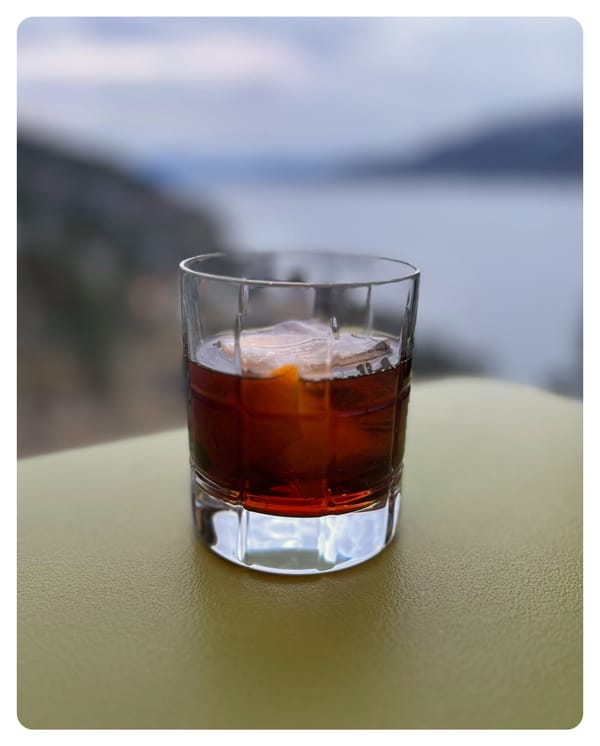
- Stir ingredients with ice, then strain into a rocks glass with a large cube
- Garnish with orange button expressed over the cocktail.
Happy Friday, friends!
Hopefully, by now, my cocktail philosophy is clear. I’m drawn to drinks built from simple, classic ingredients that, when combined, create a surprising new harmony–a flavor greater than the sum of its parts. Growing Old and Dying Happy… from last week was a perfect example: the outcome defied its components, landing somewhere unexpectedly beautiful.
This week’s cocktail, the Waterproof Watch, fits the same mold.
Created by Sother Teague at Amor y Amargo in Brooklyn, the Waterproof Watch riffs on the Negroni template. Aperol, the sweeter, orange-forward cousin of Campari, replaces the classic’s bitter edge, while Amaro Montenegro steps in for sweet vermouth.
If you haven’t tried Montenegro, it’s one of the most versatile amaros in the Italian canon—crafted from over 40 botanicals and known for its balanced bittersweetness with notes of orange, coriander, cherry, vanilla, and clove. Delicious on its own, it’s also a quiet powerhouse in countless cocktails.
Unlike a Negroni, however, this drink is finished with two dashes of Dale DeGroff’s Pimento Bitters. For the uninitiated, DeGroff—nicknamed The King of Cocktails—helmed the Rainbow Room in Rockefeller Center from 1987 to 1999. His reverence for quality and classic recipes helped spark the U.S. craft cocktail renaissance. His book, The Craft of the Cocktail, remains an essential on my home bar shelf.
DeGroff’s bitters have become a staple in the traveling bar I brought north when my family moved to Canada. Being a fan of tiki cocktails, I lean heavily on allspice—also called pimento—notes, though finding St. Elizabeth Allspice Dram in British Columbia has proven difficult. So for now, DeGroff’s bitters fill the gap admirably. (I’ve got a homemade batch planned soon—stay tuned.)
The result is a drink that surprises you twice. The orange garnish provides a bright citrus aroma, easing you into the orange-cola illusion beneath: a seamless blend of Aperol’s mild orange sweetness and Montenegro’s mellow cola spice, deepened by the pimento. The London Dry gin sits quietly in the background, its clean, juniper-forward structure providing the scaffolding that holds the whole composition upright.
I experimented with rye whiskey as a substitute and quickly learned why gin works better here—the rye’s warmth muddled the brightness, softening what should be a crisp interplay between bitter, sweet, and citrus. The gin, by contrast, gives it the clarity of a fine instrument: simple, balanced, resonant.
For Negroni fans, this won’t deliver Campari’s sharp bitterness, but it offers a pleasant surprise hidden inside—a softer melody that lingers long after the glass is empty.
While sipping this Waterproof Watch, I found myself thinking about the name and about how technological innovation moves in waves, each reshaping industries and expectations alike. The waterproof watch wasn’t just a marvel of engineering; it was a turning point.
The first commercially waterproof wristwatch, the Rolex Oyster, was introduced in 1926. Its hermetically sealed case was a breakthrough, tested when Mercedes Gleitze swam across the English Channel wearing one. The innovation revolutionized not just consumer watches but the entire watch repair industry, which suddenly needed specialized tools, gaskets, and pressure-testing chambers.
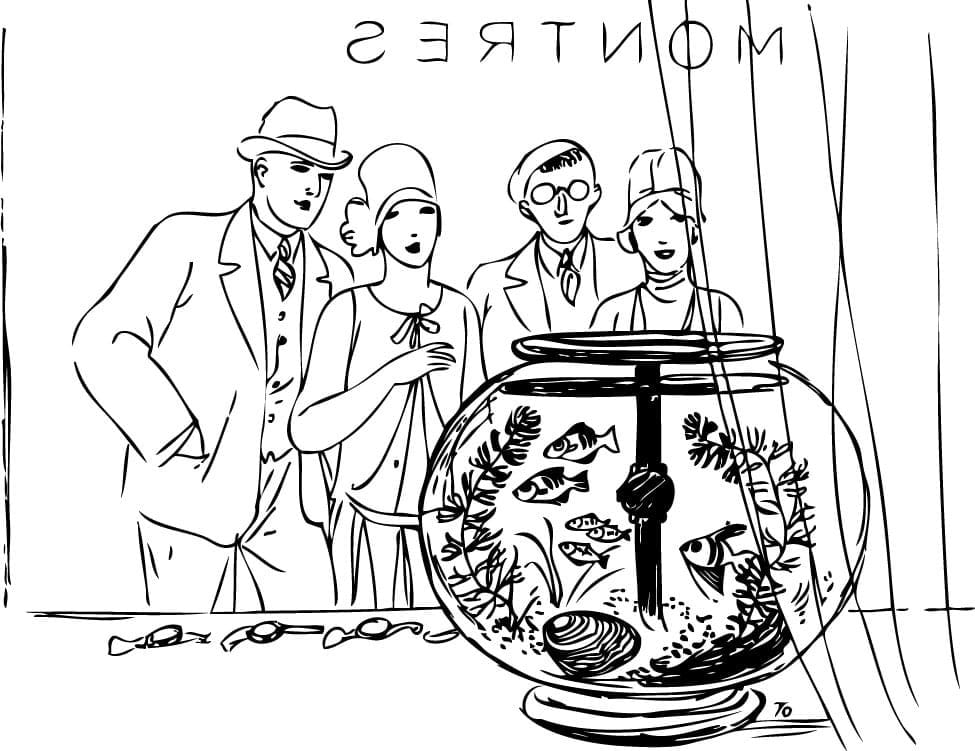
Traditional watchmakers faced a choice: invest in new machinery and training, continue repairing only non-waterproof watches as their market shrank, or close their shops altogether.
Innovation always extracts a toll.
Economist Joseph Schumpeter called this cycle creative destruction in his book, Capitalism, Socialism and Democracy in 1942—the process by which capitalism renews itself by destroying the old to make way for the new. From Kodak’s fall to Netflix’s rise, or now from search engines to AI assistants, each technological leap forces adaptation or obsolescence.
Layer Schumpeter’s creative destruction with Moore’s Law—Intel co-founder Gordon Moore’s 1965 observation that the number of transistors on a chip doubles roughly every two years—and you get the story of modern computing: exponential innovation that continually redefines what’s possible.
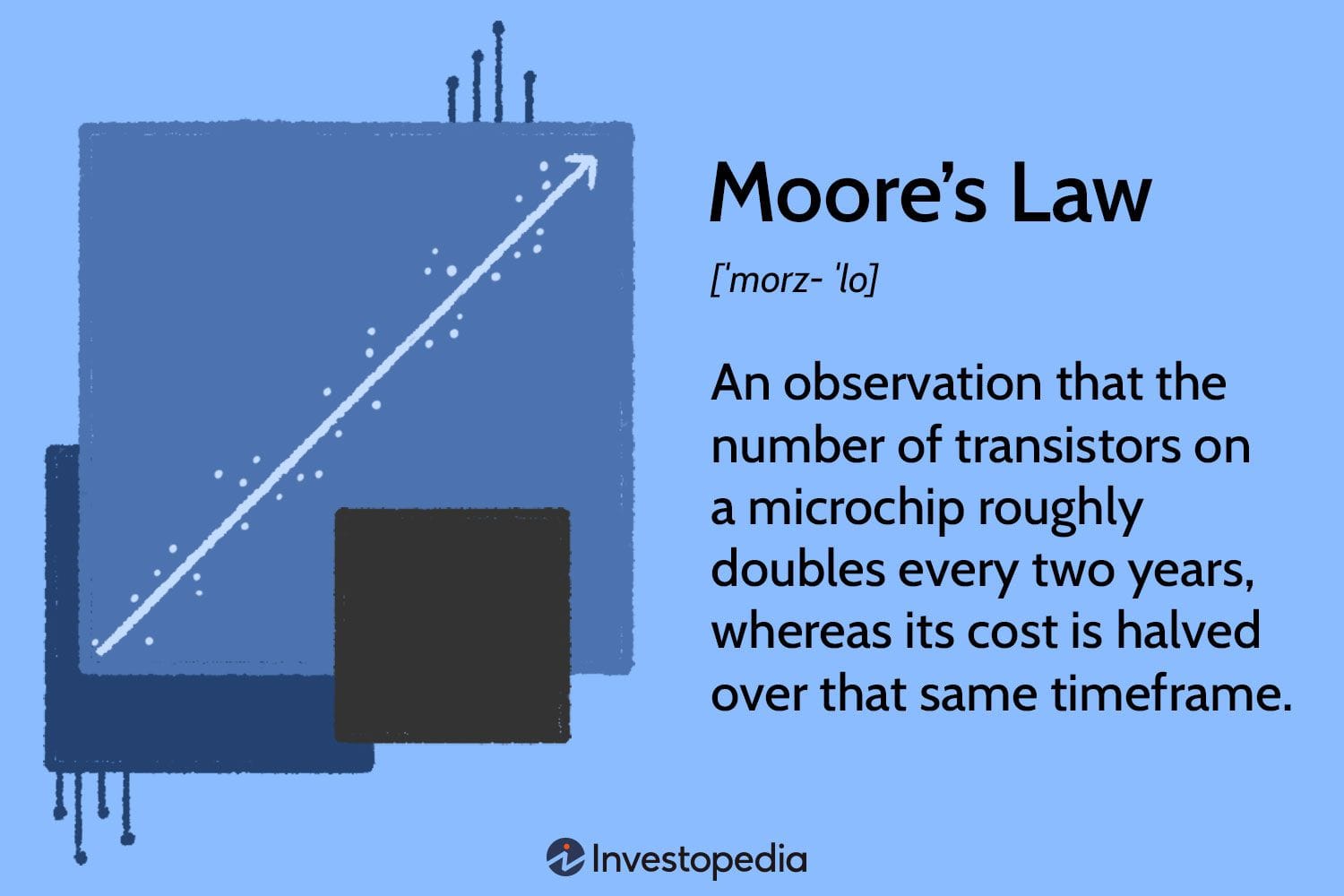
Today, that exponential curve has found its next leap in artificial intelligence.
In the same way waterproof watches redefined an industry’s baseline competence, AI is redefining the competitive baseline for every company. The businesses thriving now are those that treat AI not as a curiosity but as a capability.
According to McKinsey’s 2025 Global AI Survey, 72% of organizations now use AI in at least one function—yet only 14% report measurable impact. Gartner finds that roughly 85% of generative AI pilots fail before reaching production, largely due to poor data readiness and inadequate change management.
It’s not the tech that fails; it’s the transformation.
Companies face the same dilemma that watch repairers once did: invest, adapt, or fade. The ones that lean in—reskilling employees, retooling workflows, and embedding AI into decisions—are already seeing returns. McKinsey reports that firms integrating AI into five or more processes are growing EBIT 1.8x faster than peers.
Still, too many SaaS organizations treat AI as a cost-saving lever instead of a growth catalyst, choosing layoffs over learning. Meanwhile, the World Economic Forum estimates that AI will displace 83 million jobs globally by 2027, but also create 69 million new ones, emphasizing the need for reskilling rather than redundancy.
And yet, policymakers in the U.S. remain distracted, treating AI as a headline, not a horizon.
As someone reskilling for this AI revolution, I see both the peril and the promise. I’m learning how to wield these tools—not to replace what I do, but to augment it. To understand them deeply enough to help others navigate their adoption, their risks, and their immense potential.
In that sense, I suppose I’m my own kind of watchmaker, learning to seal the gears of an older craft against a rising tide.
So, to my fellow #OpenToWork friends on LinkedIn, I raise this Waterproof Watch to you. May it remind us that adaptation is never comfortable, but always necessary and that, with the right tools, we can all stay watertight.
Cheers. ⌚🥃